Braun kommt in der Bibel nicht vor – aber der Boden benennt den ersten Menschen


  • Braun ist im biblischen Hebräisch kein Farbwort. Die King-James-Bibel verwendet es in Genesis 30 für Jakobs Schafe und übersetzt chum, ein seltenes Wort, das dunkel oder düster bedeutet.
  • Was überall ist, ist Erde. Genesis 2,7 enthält ein Wortspiel, das sich nicht ins Deutsche übertragen lässt: der Mensch ist Adam und der Boden ist adamah.
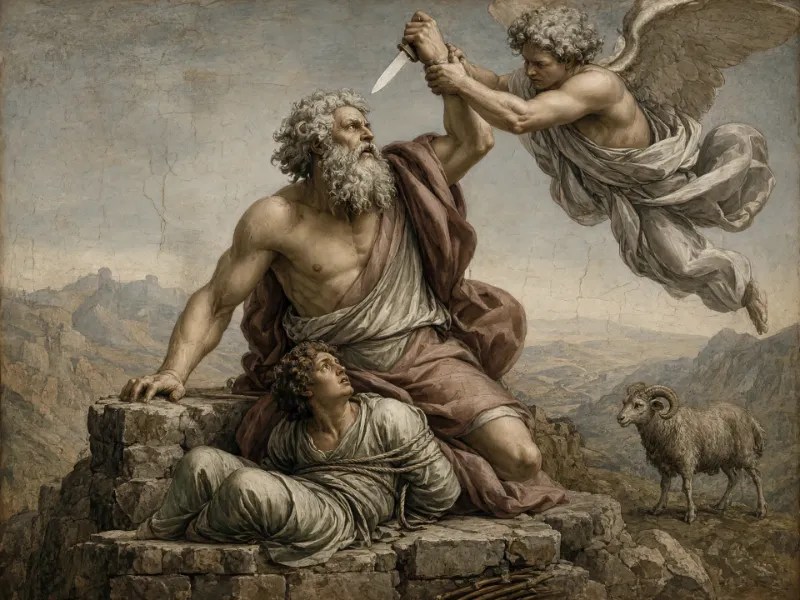
  • Staub verläuft in zwei Richtungen gleichzeitig – Abraham nennt sich selbst Staub und Asche, und Psalm 103,14 nennt „er denkt daran, dass wir Staub sind“ als Grund für Gottes Erbarmen.
  • Jeremia wird ausgesandt, um einem Töpfer zuzusehen, und sieht ein Scheitern: Der Topf ist misslungen, und der Ton wird nicht weggeworfen (18,4).
  • 2. Korinther 4,7 legt den Schatz absichtlich in tönerne Gefäße, damit niemand die Verpackung mit dem Inhalt verwechselt.

Brown is not a colour word in the Bible. But the most important brown thing in Scripture is there on the first page, and the first man is named after it. The word that is not there Biblical Hebrew has a small colour vocabulary and it names materials and dyes rather than points on a spectrum. There is no term for brown. The King James does use the word, in Genesis 30, for the sheep Jacob separates from Laban’s flock.…

Continue reading with a subscription

Get unlimited access to all our premium content and exclusive features.

Enjoy unlimited access, cancel anytime.


Share to...