
 Japanese
  English
  Chinese
  Dutch
Dutch  Arabic
  Spanish
  Portuguese
  Russian
  French
  Italian
  German
 聖書において霧は、ほぼ一貫して同じこと、つまり「長続きしない現実的な何か」を意味します。
それは人間の命や浅い献身、そして一度だけ、晴れることとなる盲目に対して使われます。霧は決して神秘的なものではなく、神の臨在の象徴でもありません。神の臨在は「雲」であり、霧とは異なる役割を果たす別のイメージです。
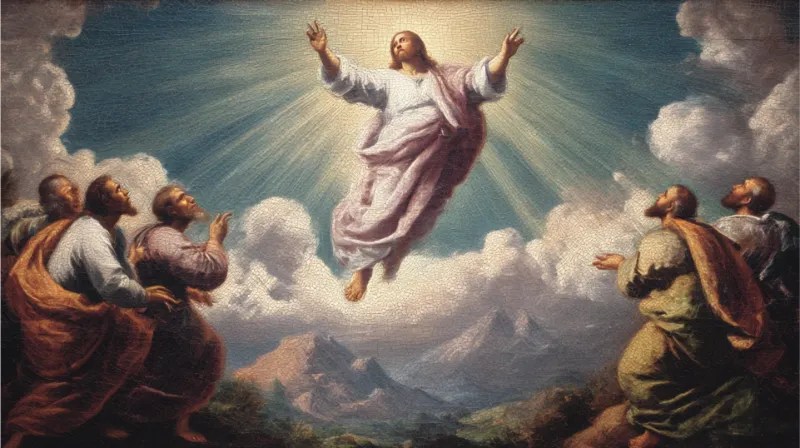
誰もがうろ覚えしている聖句
自信満々にビジネスの計画を立てる人々に宛てたヤコブの言葉:
明日どうなるかさえ、あなたがたには分からないのです。あなたがたの命とはどのようなものでしょうか。あなたがたは、しばらく現れては消える霧にすぎません。 (ヤコブの手紙4章14節)
そのギリシャ語の単語は atmis — それは蒸気、鍋から立ち上る湯気です。壮大さを持つ立ち込める霧ではありません。そこに存在したかと思えば消え去り、何も跡を残さないものです。
この箇所を救いのあるものにしているのは、彼が次に述べる言葉です。計画を立てることが悪いのではなく、そこに条件を添えるべきだと言っているのです。 むしろ、あなたがたはこう言うべきです。「主の御心であれば、私たちは生きながらえて、あれやこれやをしよう。」
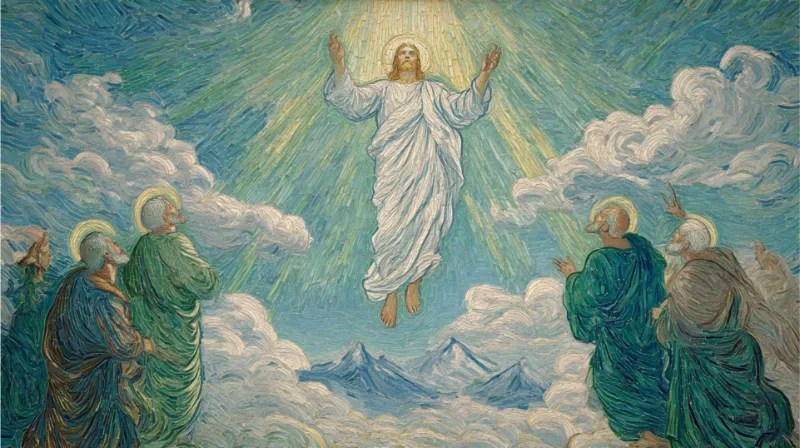
消え去ってしまう献身としての霧
ホセアはこれを神に対する人々の愛のために用いており、その描写は容赦ありません:
エフライムよ、私はお前に何をすべきか。ユダよ、私はお前に何をすべきか。お前たちの愛は朝霧のように、すぐに消え去る露のようだ。 (ホセア書6章4節)
朝霧は偽物ではありません。確かにそこに存在し、ひんやりと湿っていますが、9時になれば消えてしまいます。ここで非難されているのは偽善ではなく、蒸発してしまうことです。その時は本物だった感情が、日中の暑さに耐えられなかったのです。
私たちの多くは、それと別の種類の愛との違いを知っており、最近自分がどちらを捧げてきたかも分かっているはずです。
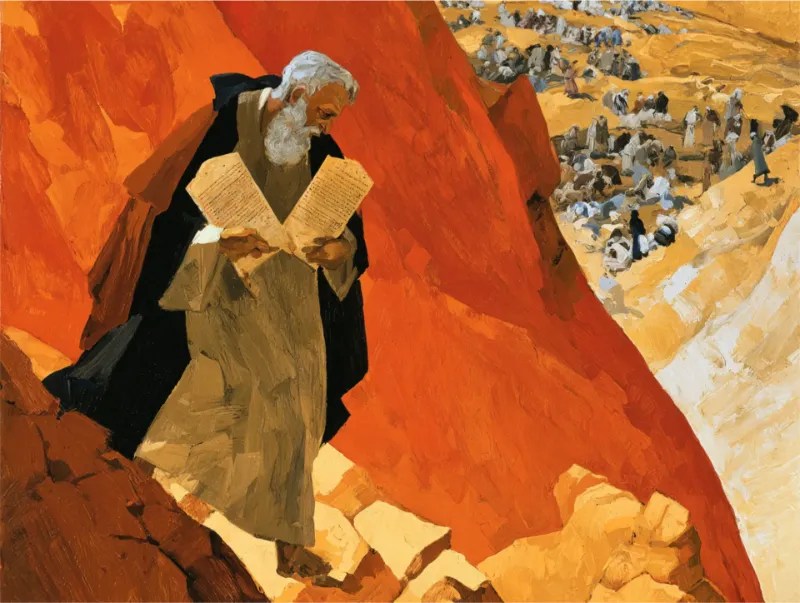
晴れた霧
ある箇所では、霧が物理的な意味で使われており、それは奇妙な光景です。
キプロスで総督を信仰から遠ざけようとする魔術師と対峙したパウロは、一時的な盲目を宣告します。 するとたちまち、霧と闇が彼を覆い、彼は手を取って導いてくれる人を求めて手探りしました。 (使徒行伝 13:11)
読者は長い間、この反響に気づいてきました。パウロ自身も道で目が見えなくなり、手を引かれてダマスコに入りました。その失明は、何かの終わりではなく始まりでした。「直ちに」という言葉と「しばらくの間」という句は、どちらも聖書の中にあります。
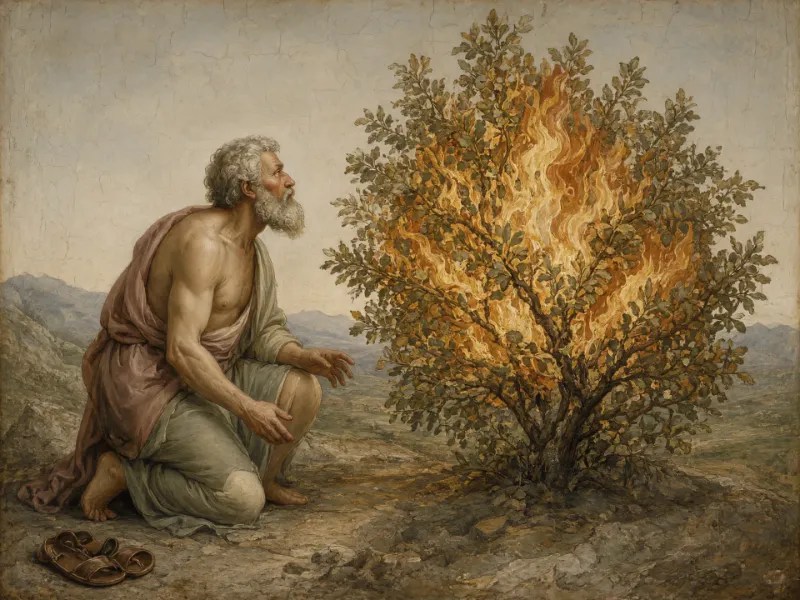
エデンの園の霧
最後の一つは、知っておく価値のある翻訳上の疑問です。
創世記2章6節の欽定訳(KJV)にはこうあります: 地から霧が立ち上り、地の全面を潤した. 。多くの現代訳では、同じヘブライ語を「川」や「泉」と訳しています。なぜなら、この言葉は非常に珍しく、その意味が確実ではないからです。ヘブライ語聖書には2回しか登場しません。
エデンの霧の上に教義を築こうとする人は、学者が確信を持って定義できない言葉の上に築いていることになります。そのことを理解した上で読む価値があります。
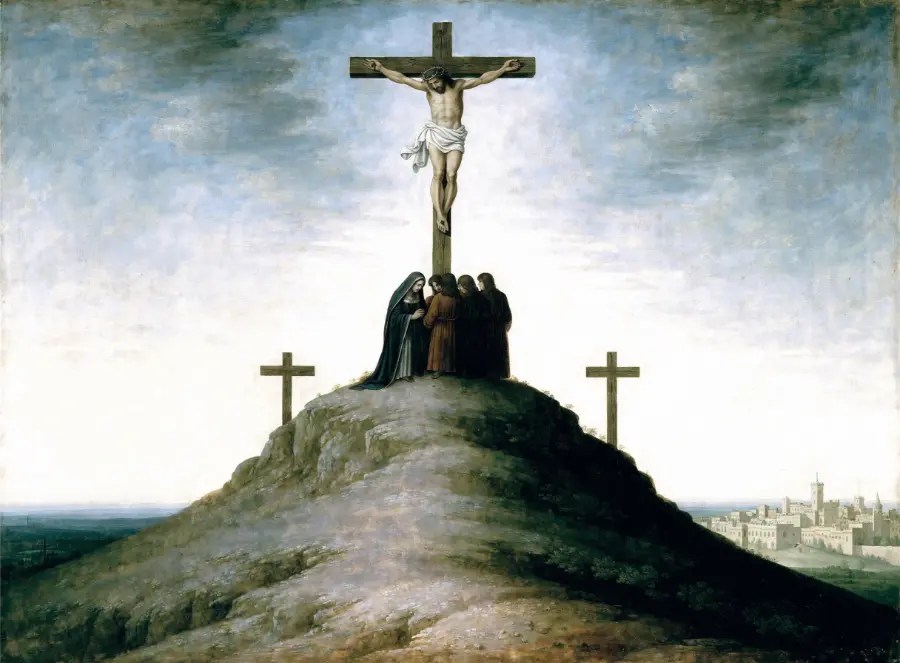
霧が意味しないもの
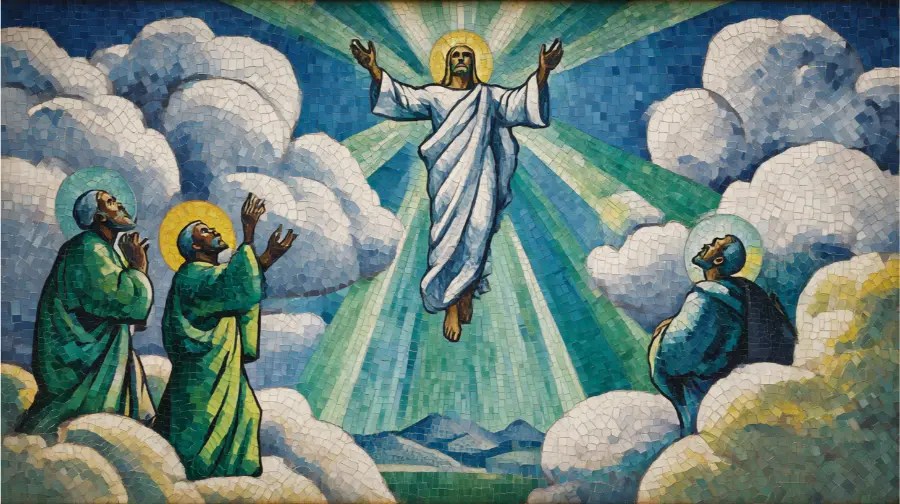
それは神の臨在の雲ではありません。それは全く別の、より大きなイメージです。荒野の雲の柱、祭司たちが仕えるために立つことができないほど神殿を満たした雲(列王記上 8:10-11)、変貌の山での雲などがそれにあたります。
この二つは一般的な著作では混同されがちですが、そうあるべきではありません。聖書における「雲」は、神がそこにいることを示しつつ、神を隠すものです。「霧」は、何かが消え去ろうとしていることを示します。
このイメージをどう捉えるか
ヤコブは誰かを落ち込ませるためにこの言葉を使ったのではありません。執着を解き放つために使ったのです。
聖書が短い人生に対して提示する代替案は、より長い人生ではありません。それは詩篇90篇です。そこでは人間の短さについて同じ観察がなされた後、そこから導き出される唯一のことが求められています: 知恵の心を得るために、私たちに自分の日を数えることを教えてください。 (詩篇 90:12)
日を数えることは病的なことではありません。それは算術であり、一度行えば、残りの時間を有意義に過ごすことができます。
よくある質問
聖書において霧は何を象徴していますか?
何よりもまず短さです。ヤコブの手紙4章14節では人間の命を、ホセア書6章4節では浅い献身を指しています。神の臨在の象徴ではありません。
霧は神の臨在の雲と同じですか?
いいえ。雲は神がそこにいることを示しつつ神を隠します(列王記上 8:10-11)。霧は消え去ろうとしているものを表します。
創世記2章6節の霧とは何ですか?
意味が不確かな珍しいヘブライ語です。欽定訳では「霧」とされていますが、多くの現代訳では「川」や「泉」と訳されています。
ヤコブの手紙4章14節は実際には何を求めていますか?
計画を立てることをやめるのではなく、「主の御心であれば、私たちは生き、これこれのことをしよう」という条件を付け加えることを求めています。


コメントを残す