
 English
 Chinese
 Dutch
 Arabic
 Spanish
 Portuguese
 Russian
 French
 Italian
 German
 Japanese
The Bible treats a child as a gift from the Lord and describes God at work in a child before birth. Psalm 139:13 says to God, “you knit me together in my mother’s womb,” and several births answer a prayer or a promise, as with Hannah (1 Samuel 1:27) and Elizabeth (Luke 1:13).
Pregnancy and labour appear too. Rebekah takes a question about her pregnancy to the Lord (Genesis 25:22-23), Elizabeth’s baby leaps in the womb at Mary’s greeting (Luke 1:41-44), and Genesis 3:16 names pain in childbearing. Jesus uses a woman giving birth to describe grief turning into joy (John 16:21), the midwives of Exodus 1 refuse Pharaoh’s order to kill the Hebrew boys, and the birth of Jesus is announced to shepherds as “good news that will cause great joy” (Luke 2:10-11).
A child as the Lord’s gift
Psalm 127:3
“Children are a heritage from the Lord, offspring a reward from him.”
Reflection: The King James Version renders the second line “the fruit of the womb is his reward,” naming the womb where the NIV has “offspring.” In both translations the child is something the Lord gives: a heritage and a reward from him.
Ruth 4:13-14
“So Boaz took Ruth and she became his wife. When he made love to her, the Lord enabled her to conceive, and she gave birth to a son. The women said to Naomi: ‘Praise be to the Lord, who this day has not left you without a guardian-redeemer. May he become famous throughout Israel!’”
Reflection: Ruth the Moabite had come to Bethlehem with Naomi, her mother-in-law (Ruth 1:22). The conception is credited to the Lord, and when the son is born, the women of the town speak to Naomi and praise the Lord for him. Naomi takes the child in her arms and cares for him, and the neighbour women name him Obed, the grandfather of David (Ruth 4:16-17).
Children prayed for and promised
1 Samuel 1:27
“I prayed for this child, and the Lord has granted me what I asked of him.”
Reflection: After Samuel was born, Hannah stayed at home when the family went up for the yearly sacrifice. She told her husband Elkanah she would present the boy once he was weaned, and “the woman stayed at home and nursed her son until she had weaned him” (1 Samuel 1:23). Only then did she bring him to Eli at Shiloh and say these words.
Genesis 17:16
“I will bless her and will surely give you a son by her. I will bless her so that she will be the mother of nations; kings of peoples will come from her.”
Reflection: God renames Sarai as Sarah and promises Abraham a son by her. Abraham falls facedown and laughs, asking whether a man of a hundred can have a son and whether Sarah can bear a child at ninety. God answers that Sarah will bear a son and that he is to be called Isaac.
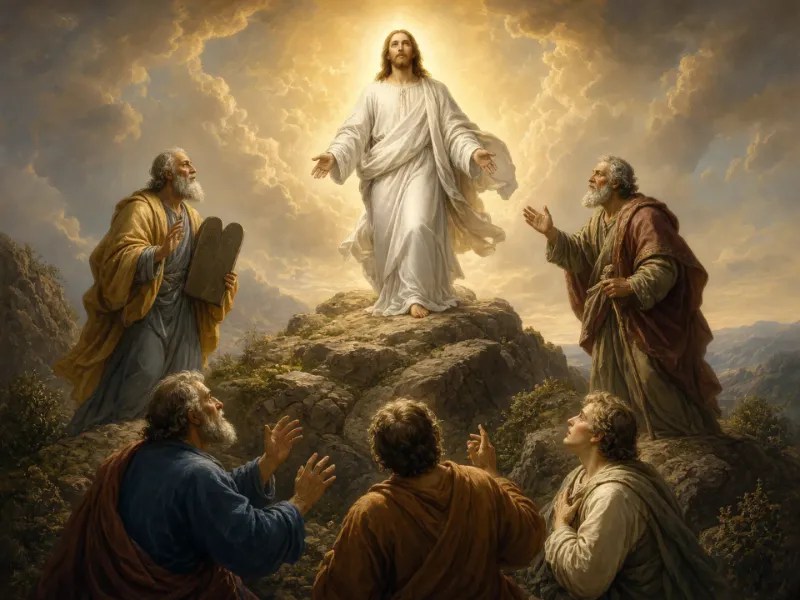
Genesis 21:6
“Sarah said, ‘God has brought me laughter, and everyone who hears about this will laugh with me.’”
Reflection: Isaac is born “at the very time God had promised him” (Genesis 21:2), and Abraham circumcises him at eight days old. Sarah’s laughter at the promise had been to herself (Genesis 18:12); at the birth she expects everyone who hears to laugh with her, and she adds, “Who would have said to Abraham that Sarah would nurse children?”
Luke 1:13
“But the angel said to him: ‘Do not be afraid, Zechariah; your prayer has been heard. Your wife Elizabeth will bear you a son, and you are to call him John.’”
Reflection: The name is given before the child is conceived. Zechariah asks how he can be sure, since he and Elizabeth are old, and he is left unable to speak “until the day this happens” (Luke 1:20). At the circumcision on the eighth day the relatives expect the boy to be named after his father, Elizabeth says, “No! He is to be called John,” and Zechariah writes “His name is John” on a tablet, at which he speaks again (Luke 1:59-64).
Luke 1:14
“He will be a joy and delight to you, and many will rejoice because of his birth.”
Reflection: The angel goes on to say what the son will be: great in the sight of the Lord and “filled with the Holy Spirit even before he is born.” Luke records the rejoicing in verse 58, when Elizabeth gives birth and her neighbours and relatives hear “that the Lord had shown her great mercy.”
Luke 1:31
“You will conceive and give birth to a son, and you are to call him Jesus.”
Reflection: Gabriel’s announcement to Mary comes “in the sixth month of Elizabeth’s pregnancy,” so the two births in Luke 1 are linked from the start. Mary asks how this can be, since she is a virgin, and the angel answers that the Holy Spirit will come on her and the child will be called the Son of God.
Formed in the womb
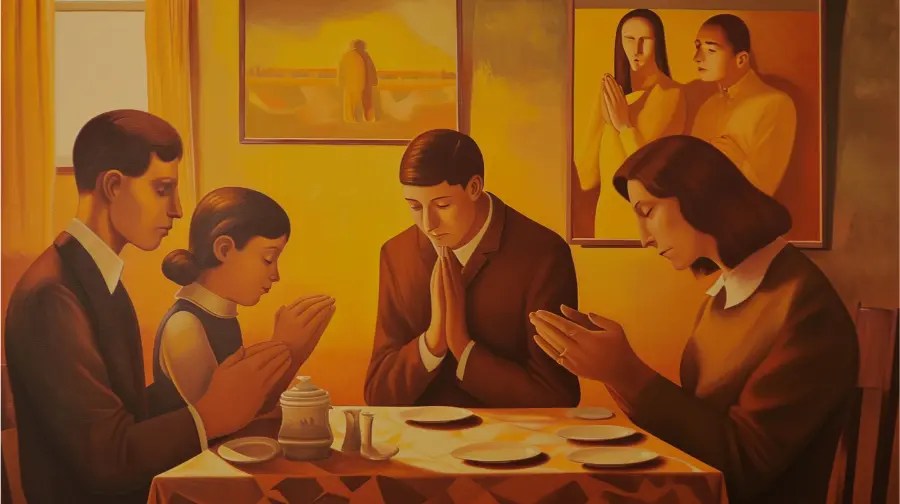
Psalm 139:13
“For you created my inmost being; you knit me together in my mother’s womb.”
Reflection: The psalmist addresses God directly, and the verbs are those of a craftsman: created, knit together. He is speaking of his own making, and verse 15 continues the picture: his frame was not hidden from God “when I was made in the secret place, when I was woven together in the depths of the earth.”
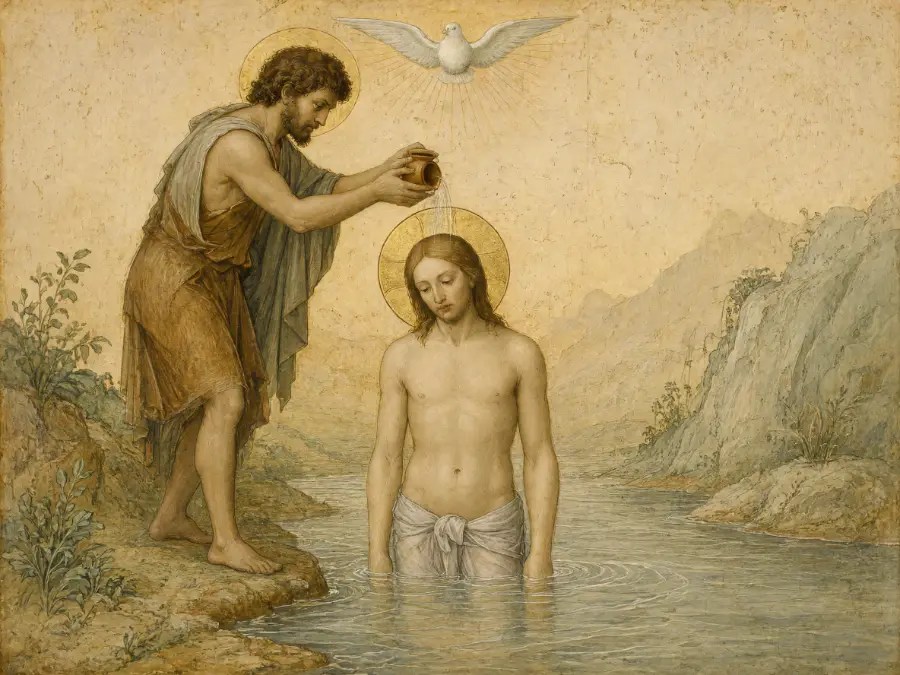
Ecclesiastes 11:5
“As you do not know the path of the wind, or how the body is formed in a mother’s womb, so you cannot understand the work of God, the Maker of all things.”
Reflection: The Teacher sets two things side by side that no one can trace: the path of the wind and the forming of a body in a mother’s womb. He draws the comparison out himself, and the work of God, “the Maker of all things,” is just as far beyond understanding.
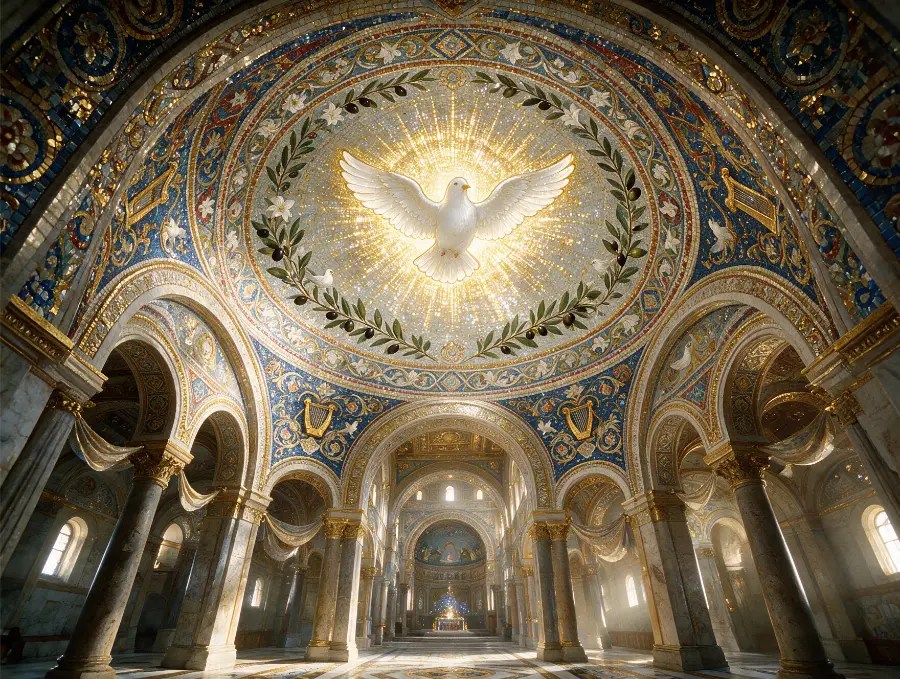
Psalm 22:9-10
“Yet you brought me out of the womb; you made me trust in you, even at my mother’s breast. From birth I was cast on you; from my mother’s womb you have been my God.”
Reflection: Psalm 22 is a cry of someone who feels abandoned by God. In the middle of that complaint, the psalmist appeals to his birth: God brought him out of the womb and has been his God since then. His trust in God is traced back to the time he was at his mother’s breast.
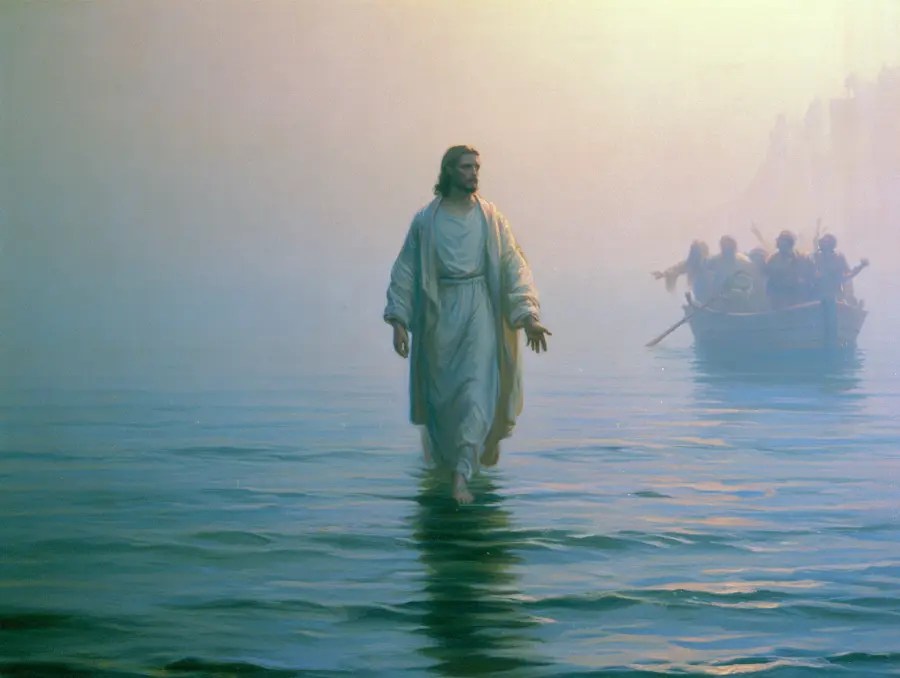
Jeremiah 1:5
“Before I formed you in the womb I knew you, before you were born I set you apart; I appointed you as a prophet to the nations.”
Reflection: This is part of Jeremiah’s call, the word of the Lord that begins his work as a prophet. God says he knew Jeremiah and set him apart before he was formed in the womb. Jeremiah’s reply in the next verse is that he is too young and does not know how to speak.
Carrying a child
Genesis 25:22-23
“The babies jostled each other within her, and she said, ‘Why is this happening to me?’ So she went to inquire of the Lord. The Lord said to her, ‘Two nations are in your womb, and two peoples from within you will be separated; one people will be stronger than the other, and the older will serve the younger.’”
Reflection: Rebekah had been childless, and she conceived after Isaac prayed to the Lord for her (Genesis 25:21). When the babies jostled within her, she took her question to the Lord, and his answer spoke of their future: two nations, with the older serving the younger. The twins were Esau and Jacob, and Jacob was born “with his hand grasping Esau’s heel” (Genesis 25:26).
Luke 1:41-44
“When Elizabeth heard Mary’s greeting, the baby leaped in her womb, and Elizabeth was filled with the Holy Spirit. In a loud voice she exclaimed: ‘Blessed are you among women, and blessed is the child you will bear! But why am I so favored, that the mother of my Lord should come to me? As soon as the sound of your greeting reached my ears, the baby in my womb leaped for joy.’”
Reflection: Mary goes to Zechariah’s home in the hill country of Judea to see Elizabeth, whose pregnancy the angel had told her about (Luke 1:36). At the sound of Mary’s greeting the baby in Elizabeth’s womb leaps, and Elizabeth, filled with the Holy Spirit, calls Mary “the mother of my Lord.” She gives the reason for the movement herself: the baby “leaped for joy.”
Labour and birth
Genesis 3:16
“To the woman he said, ‘I will make your pains in childbearing very severe; with painful labor you will give birth to children. Your desire will be for your husband, and he will rule over you.’”
Reflection: God speaks to the woman after she and the man have eaten from the tree he had forbidden them. Pain in childbearing is the first consequence named to her. The man is told next that the ground is cursed because of him and that he will eat from it “through painful toil” (Genesis 3:17).
John 16:21
“A woman giving birth to a child has pain because her time has come; but when her baby is born she forgets the anguish because of her joy that a child is born into the world.”
Reflection: Jesus is speaking to his disciples on the night before his death, telling them that in a little while they will not see him and then they will. He uses childbirth as the picture: the pain is real, and it gives way to joy when the baby is born. The next verse applies it to them: “Now is your time of grief, but I will see you again and you will rejoice.”
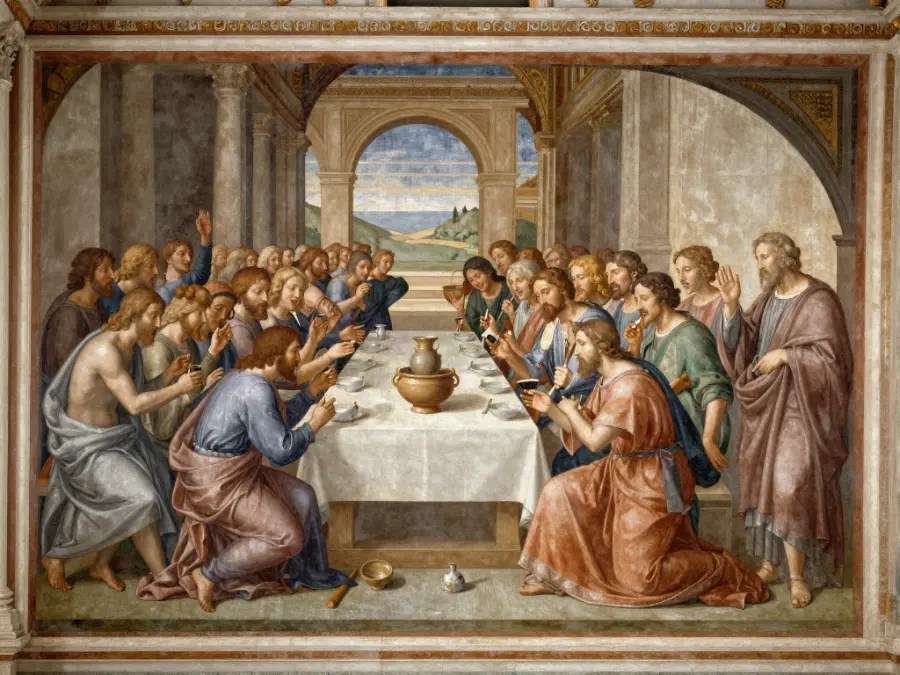
Exodus 1:17
“The midwives, however, feared God and did not do what the king of Egypt had told them to do; they let the boys live.”
Reflection: The king of Egypt ordered the Hebrew midwives, Shiphrah and Puah, to kill every boy on the delivery stool. They feared God and let the boys live, then told Pharaoh the Hebrew women gave birth before the midwives arrived. Verse 21 records that because the midwives feared God, “he gave them families of their own.”
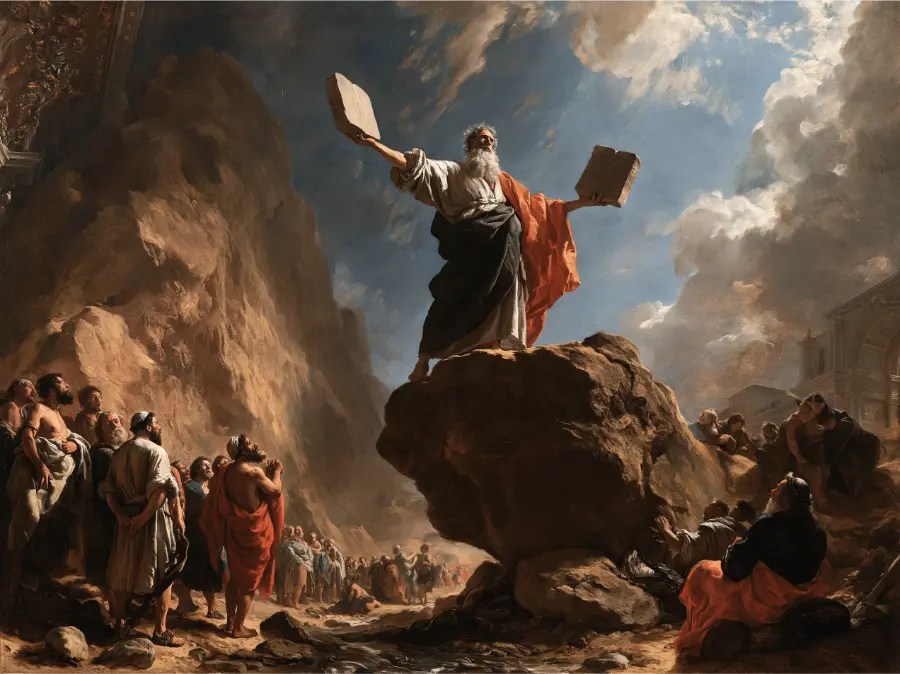
Luke 2:10-11
“But the angel said to them, ‘Do not be afraid. I bring you good news that will cause great joy for all the people. Today in the town of David a Savior has been born to you; he is the Messiah, the Lord.’”
Reflection: Mary has just given birth to her firstborn and laid him in a manger because there was no guest room. An angel tells shepherds in the fields nearby, and the sign he gives them is the newborn itself: “You will find a baby wrapped in cloths and lying in a manger.”
A mother and her child as a picture of God
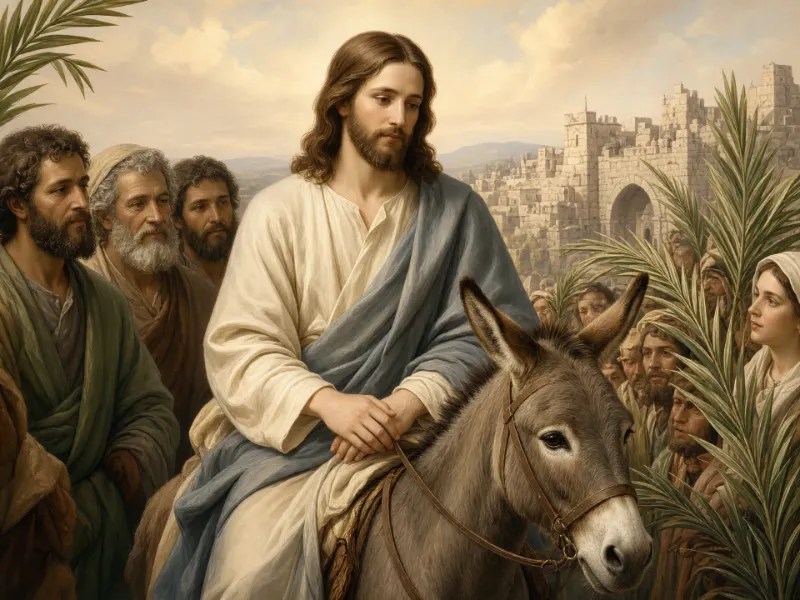
Isaiah 49:15
“Can a mother forget the baby at her breast and have no compassion on the child she has borne? Though she may forget, I will not forget you!”
Reflection: Zion has just said, “The Lord has forsaken me, the Lord has forgotten me.” God answers with a mother and the baby she is nursing. Even that bond can fail, he says, but he will not forget, and in the next verse he says he has engraved Zion on the palms of his hands.
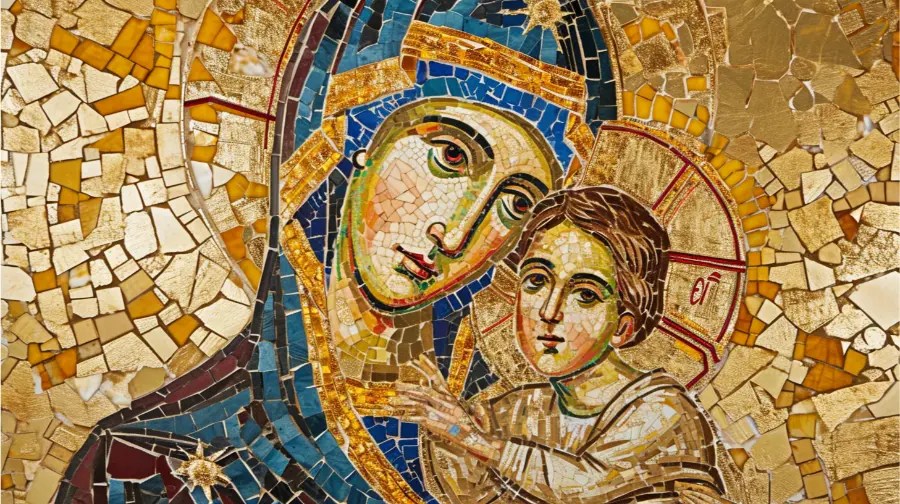
Isaiah 66:13
“As a mother comforts her child, so will I comfort you; and you will be comforted over Jerusalem.”
Reflection: Earlier in the chapter Zion is a mother who gives birth before her labour pains begin, and the Lord asks, “Do I bring to the moment of birth and not give delivery?” The people are then pictured as children nursed and carried on her arm. In this verse God takes the mother’s place himself and promises to comfort them as a mother comforts her child.
Praying the birth psalms for a child
Psalm 139:13 and Psalm 22:9-10 are addressed to God and speak of the psalmist’s own birth in the first person. Parents can pray them as written, giving thanks for their own making, or pray them for a newborn by putting the child in place of “me” and “my.”


Leave a Reply