Ist Natalia ein biblischer Name?
While Natalia itself is not found in the Bible, its root and meaning have deep biblical connections. The name Natalia is derived from the Latin phrase “natale domini,” which means “birth of the Lord” or “Christmas Day.” This etymology links the name to one of the most major events in Christian history – the birth of our Lord Jesus Christ.
our search for specific names in sacred texts often reflects our human desire for concrete affirmation. Yet, our faith calls us to look beyond the literal and to seek the deeper spiritual truths that these names and stories represent. The spirit of what Natalia signifies – the celebration of Christ’s birth – is present throughout Scripture, even if the name itself is not explicitly mentioned.
Historically, we see that the use of the name Natalia developed in the early centuries of the Church, particularly in Eastern Christian traditions. This reminds us that our understanding of faith and the ways we express it through naming practices have evolved over time, guided by the Holy Spirit working through the faith and experiences of believers.
It is worth noting that while Natalia may not be a biblical name in the strictest sense, many names we consider “biblical” today were not actually used in biblical times in their current forms. Names evolve, adapt, and take on new meanings as they travel across cultures and through time.
In our modern context, the name Natalia serves as a beautiful reminder of the Nativity of our Lord, connecting those who bear it to this central mystery of our faith. It exemplifies how our living tradition continues to find new ways to express ancient truths.
While Natalia may not be found in the pages of Scripture, its meaning and the truth it represents are deeply rooted in our biblical faith. Let us, therefore, approach this name and what it symbolizes with reverence, recognizing that God’s revelation often extends beyond the confines of written texts, speaking to our hearts in myriad ways.

Was bedeutet der Name Natalia?
As we have discussed, Natalia is derived from the Latin phrase “natale domini,” meaning “birth of the Lord” or “Christmas Day.” This etymology reveals the deep connection between the name and one of the most pivotal events in salvation history. It is a name that encapsulates the wonder and awe of that holy night in Bethlehem, when God became man and dwelt among us.
Psychologically names often carry powerful associations and can shape our sense of identity. For those bearing the name Natalia, it may serve as a constant reminder of their connection to this sacred moment in Christian history. It can inspire a sense of purpose and a call to embody the hope and joy that Christ’s birth brought into the world.
Historically, the celebration of Christ’s birth has been a central aspect of Christian worship and culture. The development and use of names like Natalia reflect the desire of the faithful to incorporate this celebration into their daily lives and family traditions. It is a testament to how deeply the story of the Nativity has resonated with believers throughout the ages.
In many cultures, particularly in Eastern Europe and Latin America, Natalia (and its variants like Natalie or Natalya) is often given to girls born on or near Christmas Day. This practice further strengthens the link between the individual and the sacred event their name commemorates. It creates a personal connection to the liturgical calendar and the rhythm of the Church year.
The meaning of Natalia also carries broader spiritual implications. Just as Christ’s birth brought new life and hope to the world, those named Natalia may be seen as bearers of that same divine light. The name can be interpreted as a call to bring the joy and peace of Christ’s birth into the world, to be a living reminder of God’s love made manifest.
The concept of birth inherent in the name Natalia resonates with themes of renewal and rebirth that are central to our faith. It echoes the words of St. Paul, who speaks of us becoming “new creations” in Christ (2 Corinthians 5:17). In this sense, the name Natalia can be seen as an invitation to continual spiritual rebirth and growth.
From a broader perspective, the meaning of Natalia reminds us of the importance of names in our spiritual tradition. Throughout Scripture, we see how names often carry prophetic significance or reflect a person’s calling. The meaning of Natalia continues this tradition, imbuing the name with spiritual significance and purpose.
The name Natalia, meaning “birth of the Lord,” is rich with spiritual symbolism and historical significance. It connects the individual to the great mystery of the Incarnation, serves as a reminder of the joy and hope brought by Christ’s birth, and carries with it a call to embody these qualities in the world. Let us, therefore, reflect on the powerful meaning of this beautiful name, and how it can inspire us all, regardless of our own names, to live as bearers of Christ’s light in the world.

Are there any characters named Natalia in the Bible?
Wir müssen anerkennen, dass der Name Natalia nicht direkt in der Bibel erscheint. Die Heilige Schrift enthält in ihren ursprünglichen hebräischen, aramäischen und griechischen Texten diesen spezifischen Namen in seiner modernen Form nicht. Diese Abwesenheit sollte unsere Wertschätzung für den Namen oder seine Bedeutung nicht schmälern. Vielmehr lädt es uns ein, tiefer über die Natur unserer heiligen Texte und die sich entwickelnde Tradition unseres Glaubens nachzudenken.
Die Bibel ist, obwohl sie göttlich inspiriert ist, auch ein Produkt ihrer Zeit und ihres kulturellen Kontextes. Die Namen, die wir in der Schrift finden, spiegeln die Namenskonventionen der alten hebräischen, aramäischen und griechischsprachigen Gemeinschaften wider. Natalia, mit seinen lateinischen Wurzeln, tauchte später in der christlichen Geschichte auf, als sich der Glaube ausbreitete und mit der römischen Kultur interagierte.
Psychologically our desire to find direct biblical references for names we hold dear often stems from a longing for divine validation of our identities. Yet, we must remember that God’s love and purpose for us transcend the specific mention of our names in Scripture. As the prophet Isaiah beautifully reminds us, “I have called you by name, you are mine” (Isaiah 43:1), speaking to the intimate relationship God desires with each of us, regardless of the historical origin of our names.
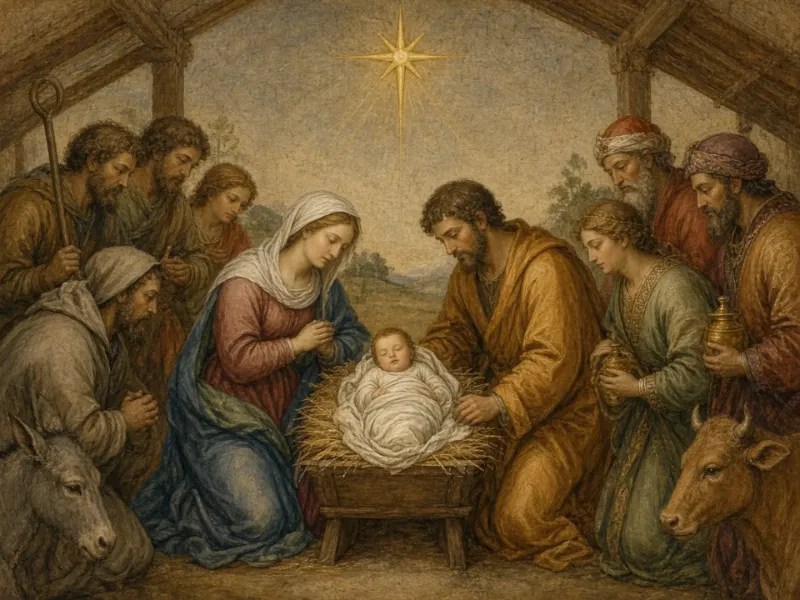
While Natalia itself is not present in the Bible, we can find numerous characters whose stories resonate with the meaning of the name. Consider, for example, the figures present at the Nativity of our Lord: Mary, whose ‘yes’ to God made the birth of Christ possible; Joseph, whose faithfulness and protection ensured the safety of the Holy Family; the shepherds, who were the first to receive the joyous news of Christ’s birth; and the Magi, who traveled from afar to worship the newborn King.
Each of these biblical characters, though not named Natalia, embodies aspects of what the name represents – the wonder, joy, and transformative power of Christ’s birth. They remind us that it is not the name itself that makes one biblical, but rather how one lives out the truths of Scripture.
We can look to the broader themes of birth and new beginnings throughout the Bible. From the creation narrative in Genesis to the concept of being “born again” that Jesus discusses with Nicodemus (John 3:3), the Scriptures are replete with imagery that resonates with the meaning of Natalia.
In the New Testament, we find powerful metaphors of spiritual birth and renewal. St. Paul speaks of believers as “new creations” in Christ (2 Corinthians 5:17), and St. Peter describes Christians as being “born anew to a living hope through the resurrection of Jesus Christ from the dead” (1 Peter 1:3). These passages, while not mentioning Natalia by name, capture the essence of what the name represents – new life in Christ.
It is also worth noting that many names we consider “biblical” today were not used in their current forms in biblical times. Names evolve, adapt, and take on new meanings as they travel across cultures and through time. The absence of Natalia in the Bible does not negate its deep spiritual significance or its connection to biblical themes.
Although we do not find characters named Natalia in the Bible, we find the spirit of what Natalia represents throughout Scripture. The name serves as a beautiful reminder of the central event of our faith – the birth of Christ – and connects us to the broader biblical themes of new life, hope, and divine love. Let us, therefore, see in the name Natalia not an absence from Scripture, but a living continuation of the biblical narrative in our own time.

What is the Hebrew or Greek origin of the name Natalia, if any?
Natalia, as we have discussed, derives from the Latin phrase “natale domini,” meaning “birth of the Lord” or “Christmas Day.” Latin, as we know, was not one of the original languages of the Bible, which were primarily Hebrew, Aramaic, and Greek. But Latin played a crucial role in the early Church and the development of Christian theology, particularly in the Western tradition.
To understand the connection to biblical languages, we must look at the concepts that Natalia represents rather than the name itself. In Hebrew, the idea of birth is expressed by the root ילה (yalad), which we find in many biblical passages. For instance, in Isaiah 9:6, a verse often associated with the prophecy of Christ’s birth, we read: “For unto us a child is born (יֻלַּה־, yullad).” This Hebrew concept of birth, so central to the meaning of Natalia, is thus deeply rooted in biblical tradition.
In Greek, the language of the New Testament, we find a similar connection. The word for birth is γÎννησις (gennÄ”sis), from which we get the title of the Gospel accounts of Jesus’ birth – the Nativity. We see this in Matthew 1:18, which speaks of “the birth of Jesus Christ” (Τοῦ δὲ Ἰησοῦ ΧÏιστοῦ ἡ γÎνεσις).
Psychologically the concept of birth resonates deeply with human experience. It represents new beginnings, hope, and the miracle of life – all themes that are central to the Christian message and embodied in the name Natalia. The fact that these concepts are expressed in the biblical languages underscores their importance in our faith tradition.
While Natalia doesn’t have a direct Hebrew or Greek equivalent, the practice of creating names that reflect religious concepts is well-established in biblical tradition. In Hebrew, for example, many names incorporate elements of God’s name or attributes. Names like Elijah (×ֵלִיָּהוּ, Eliyahu, meaning “My God is Yahweh”) or Joshua (יְהוֹשֻ××¢Ö·, Yehoshua, meaning “Yahweh is salvation”) exemplify this practice. Similarly, the name Samantha, although not found in biblical texts, carries a connection to the biblical tradition through its roots in Hebrew and Aramaic meanings. Samantha’s biblical significance explained can be perceived through its similarities to names that signify virtues or divine qualities. Just as names like Abigail (meaning “my father’s joy”) and Hannah (meaning “grace” or “favor”) reflect important characteristics, Samantha can symbolize traits of kindness and support, resonating with the spirit of many biblical narratives.
In the Greek-speaking early Christian communities, we see a similar pattern with names like Theodoros (ΘεόδωÏος, meaning “gift of God”) or Christophoros (ΧÏιστόφοÏος, meaning “bearer of Christ”). These names, like Natalia, were not found in the biblical text itself but emerged as expressions of faith within the Christian community.
Die Entwicklung von Namen wie Natalia spiegelt die dynamische Natur unserer lebendigen Glaubenstradition wider. Als sich die Kirche über ihre ursprünglichen sprachlichen und kulturellen Grenzen hinaus ausbreitete, entstanden neue Wege, alte Wahrheiten auszudrücken. Natalia, mit ihren lateinischen Wurzeln, aber tief biblische Bedeutung, ist ein schönes Beispiel für diesen Prozess.
Das Konzept der Benennung in der biblischen Tradition hat oft prophetische Bedeutung. Namen sind nicht nur Etiketten, sondern können Hoffnung, Berufung oder göttliche Verheißung ausdrücken. In diesem Licht setzt Natalia, obwohl sie nicht hebräisch oder griechisch ist, diese biblische Tradition der sinnvollen Namensgebung fort. Die Bedeutung des Namens Skylar aligns with this tradition, as it means “scholar” or “eternal life” in various interpretations. This connection suggests a deeper purpose or calling associated with individuals bearing the name, echoing the prophetic nature of biblical nomenclature. Embracing such meanings allows for a richer understanding of identity and destiny.
Während Natalia keinen direkten hebräischen oder griechischen Ursprung hat, ist ihre Bedeutung tief mit biblischen Konzepten verbunden, die in diesen Sprachen ausgedrückt werden. Der Name verbindet wunderbar die alten biblischen Sprachen mit der späteren lateinischen Tradition der Kirche und verkörpert die Kontinuität und Entwicklung unseres Glaubens über Kulturen und Zeiten hinweg. Lasst uns daher Natalia als einen Namen schätzen, der zwar nicht direkt biblisch in seiner sprachlichen Form ist, aber das Echo der biblischen Sprachen und der mächtigen Wahrheiten, die sie ausdrücken, in sich trägt.

Does the meaning of Natalia relate to any biblical concepts or themes?
The concept of birth in the biblical context is not merely a biological event, but a deeply spiritual one. Throughout Scripture, we encounter the theme of new birth as a metaphor for spiritual transformation and renewal. Our Lord Jesus Christ himself speaks of this when he tells Nicodemus, “Very truly I tell you, no one can see the kingdom of God unless they are born again” (John 3:3). This spiritual rebirth, so central to our faith, is beautifully encapsulated in the meaning of Natalia.
Psychologisch schwingt die Idee der Neugeburt mit unseren tiefsten menschlichen Sehnsüchten nach Erneuerung und Neuanfang mit. Es spricht von der Möglichkeit der Transformation und der Hoffnung, die im Herzen der christlichen Botschaft liegt. Diejenigen, die den Namen Natalia tragen, tragen diese kraftvolle Erinnerung an das neue Leben mit sich, das allen durch Christus angeboten wird.
The specific reference to the birth of the Lord in the name Natalia connects us directly to the Incarnation – that pivotal moment in salvation history when, as St. John so eloquently puts it, “The Word became flesh and made his dwelling among us” (John 1:14). This mystery of God taking on human form, being born as a vulnerable infant, is a cornerstone of our faith. It speaks to God’s powerful love for humanity and His desire to meet us in our human condition.
The theme of God coming to dwell among His people is not limited to the New Testament. We see foreshadowings of this in the Old Testament, such as in Exodus with the tabernacle, and later with the temple in Jerusalem. The prophet Isaiah declares, “Therefore the Lord himself will give you a sign: The virgin will conceive and give birth to a son, and will call him Immanuel” (Isaiah 7:14). Immanuel, meaning “God with us,” captures the essence of what the name Natalia celebrates – the miraculous birth that brought God into our midst.
The concept of birth in Scripture is also often associated with joy and celebration. We see this in the angelic announcement to the shepherds: “I bring you good news that will cause great joy for all the people. Today in the town of David a Savior has been born to you; he is the Messiah, the Lord” (Luke 2:10-11). The name Natalia, in its reference to this birth, carries with it this sense of joy and good news.
The biblical narrative presents birth, particularly unexpected or miraculous births, as a sign of God’s intervention and blessing. We see this in the stories of Sarah, Hannah, and Elizabeth, among others. These births often herald new beginnings and the fulfillment of divine promises. The birth of Christ, which Natalia commemorates, is the ultimate fulfillment of God’s promise of salvation.
In a broader sense, the theme of birth in Scripture is often connected to the concept of creation and re-creation. From the creation narrative in Genesis to the vision of a new heaven and new earth in Revelation, we see God as the author of life, continually bringing forth new realities. The name Natalia, in its celebration of Christ’s birth, connects us to this ongoing creative work of God.
Schließlich hat das biblische Verständnis von Namen oft eine große Bedeutung und sogar prophetische Macht. Namen in der Schrift sind nicht nur Etiketten, sondern beschreiben oft den Charakter oder das Schicksal des Individuums. In diesem Licht folgt Natalia, obwohl sie selbst kein biblischer Name ist, dieser Tradition der sinnvollen Benennung, die eine mächtige theologische Wahrheit einschließt.

Are there any similar names to Natalia in the Bible?
Although the name Natalia itself does not appear in the Bible, there are names with similar meanings or roots that we can find in Scripture. These names remind us of God’s grace and the beauty of new life in Christ.
One such name is Natanael, which means “gift of God” in Hebrew. We encounter Natanael in the Gospel of John, where Jesus calls him “an Israelite in whom there is no deceit” (John 1:47). Like Natalia, which is associated with Christ’s birth, Natanael’s name speaks of God’s gift to humanity.
Another name with a similar theme is Mattathias, meaning “gift of Yahweh.” We find this name in the genealogy of Jesus in Luke’s Gospel (Luke 3:25-26). This connection reminds us that every child is a gift from God, just as the name Natalia celebrates the ultimate gift of God’s Son.
The name Theodora, meaning “gift of God” in Greek, while not appearing in the Bible, shares a similar sentiment to Natalia. Both names speak to the idea of God’s generosity and love for His children.
In the Old Testament, we encounter the name Nethanel, another variant meaning “given by God.” This name appears several times, including in Numbers 1:8 as a leader of the tribe of Issachar.
While not directly related in meaning, the name Noemi (or Naomi) from the Book of Ruth shares a phonetic similarity with Natalia. Noemi means “my delight” or “pleasantness,” reminding us of the joy that comes with new life and God’s blessings.
It’s important to remember, that while these names may not be exactly the same as Natalia, they all point to the same fundamental truth: that our lives are a gift from God, and that in Christ, we are made new. The name Natalia, associated with Christ’s nativity, beautifully encapsulates this idea of new life and divine gift.
Auf unserem Weg des Glaubens mögen wir uns immer daran erinnern, dass, ob unsere Namen in der Schrift erscheinen oder nicht, wir alle durch unseren Glauben an Christus im Buch des Lebens geschrieben sind. Lasst uns jeden Tag in Dankbarkeit für dieses größte Geschenk leben und den Geist der Erneuerung und der göttlichen Liebe verkörpern, die Namen wie Natalia repräsentieren.

When did Natalia become a popular Christian name?
Um zu verstehen, wann Natalia ein beliebter christlicher Name wurde, müssen wir uns auf eine Reise durch die Geschichte begeben und erkennen, wie unser Glaube die Namen geprägt hat, die wir unseren Kindern geben.
The name Natalia, derived from the Latin phrase “natale domini” meaning “birth of the Lord,” began to gain popularity in the early Christian era, particularly in Eastern Europe. This beautiful name, celebrating the nativity of our Lord Jesus Christ, reflects the deep devotion of early Christians to the mystery of the Incarnation.
In den ersten Jahrhunderten nach Christus, als sich unser Glaube im gesamten Römischen Reich und darüber hinaus ausbreitete, begannen Christen, sich von traditionellen heidnischen Namen zu entfernen. Sie suchten Namen, die ihre neue Identität in Christus widerspiegelten. Namen, die mit christlichen Festen, Heiligen und Tugenden in Verbindung gebracht wurden, wurden immer häufiger. In diesem Zusammenhang begann Natalia wahrscheinlich ihre Reise zur Popularität.
The exact timing of Natalia’s rise to prominence is not precisely documented, but we can trace its growing use through various historical periods. In the Eastern Orthodox tradition, we find early mentions of saints named Natalia, such as Saint Natalia of Nicomedia, who lived in the 4th century. This suggests that by this time, the name was already in use among Christians.
As Christianity became more established, particularly after the Edict of Milan in 313 AD, which granted religious tolerance to Christians, we see a greater adoption of distinctly Christian names. The name Natalia, with its clear connection to Christ’s birth, would have resonated deeply with believers during this time of growing religious freedom and expression.
In medieval Europe, as devotion to the nativity of Christ intensified, we can imagine the name Natalia gaining further popularity. The development of nativity plays and the increasing importance of Christmas celebrations in the Christian calendar likely contributed to the name’s appeal.
Die Beliebtheit von Namen variierte oft nach Region und Kultur. In Osteuropa und Russland, wo die orthodoxe Kirche einen starken Einfluss hatte, wurde der Name Natalia besonders beliebt. In diesen Regionen sehen wir eine konsequente Verwendung des Namens vom Mittelalter bis in die Neuzeit.
In Western Europe, the name’s popularity followed a different trajectory. While it was known, it didn’t achieve the same level of widespread use until more recent centuries. The increasing cultural exchanges between East and West, particularly from the 19th century onward, likely contributed to the name’s growing popularity in Western Christian communities.
In our modern era, we’ve seen a renewed appreciation for traditional Christian names. Many parents, seeking to connect their children to the rich heritage of our faith, have rediscovered beautiful names like Natalia. This trend has contributed to the name’s current popularity in many Christian communities around the world.
Lasst uns in unserer vielfältigen und globalen Kirche das riesige Netz von Namen feiern, das unseren Glauben widerspiegelt. Ob wir nun den Namen Natalia oder einen anderen tragen, mögen wir alle danach streben, der Berufung unserer Taufe gerecht zu werden und das Licht Christi in die Welt zu bringen, so wie seine Geburt Licht in die Dunkelheit brachte.

Are there any saints or important Christian figures named Natalia?
Der Name Natalia, obwohl nicht so häufig wie einige andere christliche Namen, wurde von mehreren Heiligen und wichtigen Persönlichkeiten in unserer reichen christlichen Geschichte getragen. Diese heiligen Männer und Frauen dienen als Leuchtfeuer des Glaubens und erinnern uns an die mächtige Bedeutung hinter diesem schönen Namen.
One of the most well-known saints named Natalia is Saint Natalia of Nicomedia, also known as Natalia of Nicomedia. She lived in the early 4th century during the time of the Roman persecutions. Natalia was married to Saint Adrian, a pagan officer who converted to Christianity after witnessing the courage of Christian martyrs. When Adrian was imprisoned for his faith, Natalia supported him, encouraging him to remain steadfast. After Adrian’s martyrdom, Natalia preserved his relics and continued to minister to other persecuted Christians. Her feast day is celebrated on December 1st in the Eastern Orthodox Church and on July 27th in the Roman Catholic Church.
Eine weitere bemerkenswerte Figur ist die heilige Natalia von Cordova, die im 9. Jahrhundert im muslimisch kontrollierten Spanien lebte. Zusammen mit ihrem Mann Aurelius und anderen wurde sie für die offene Ausübung des Christentums zum Märtyrer. Ihre Geschichte ist ein starkes Zeugnis für die Stärke des Glaubens angesichts der Unterdrückung. Der Festtag der heiligen Natalia von Cordova und ihrer Gefährten wird am 27. Juli gefeiert.
In more recent history, we find Blessed Natalia Tułasiewicz, a Polish Catholic teacher and member of the resistance during World War II. She volunteered to go to Nazi Germany as a slave laborer to provide spiritual support to Polish women forced to work there. Natalia was arrested for her faith-based activities and died in the Ravensbrück concentration camp in 1945. She was beatified by Pope John Paul II in 1999, recognized for her heroic virtue and martyrdom.
Obwohl sie nicht heiliggesprochen wurde, ist eine weitere bemerkenswerte Natalia Natalia Dmitrievna Speranskaya, eine russisch-orthodoxe Theologin des 20. Jahrhunderts. Sie leistete wichtige Beiträge zur orthodoxen Theologie und zum ökumenischen Dialog und verkörperte die intellektuelle und spirituelle Tiefe, die mit ihrem Namen verbunden ist.
Im Bereich des religiösen Lebens finden wir Mutter Maria Natalia Magdolna, eine ungarische Nonne, die Mitte des 20. Jahrhunderts über mystische Enthüllungen berichtete. Obwohl ihre Erfahrungen von der Kirche nicht offiziell anerkannt werden, haben sie viele in ihrem geistlichen Leben inspiriert.
These examples, show us how the name Natalia has been carried by women of great faith throughout Christian history. Each of these Natalias, in her own way, reflected the light of Christ’s nativity in the world. They remind us that the true meaning of this name goes beyond mere words – it is a call to embody the new life and hope that Christ’s birth brings to the world.
As we remember these holy women named Natalia, let us reflect on how we too can bring the light of Christ’s nativity into our world. How can we, like Saint Natalia of Nicomedia, stand firm in our faith and support others in theirs? How can we, like Blessed Natalia TuÅ‚asiewicz, bring hope to those in desperate situations?
Lasst uns für die Fürsprache dieser heiligen Natalias beten und um ihre Führung und Inspiration bitten. Mögen ihre Beispiele uns ermutigen, die volle Bedeutung unserer eigenen Namen zu leben, was auch immer sie sein mögen, als geliebte Kinder Gottes, die berufen sind, Sein Licht in die Welt zu bringen.

What did the Church Fathers teach about names like Natalia?
Obwohl die Kirchenväter den Namen Natalia nicht spezifisch ansprachen, gaben sie starke Einblicke in die Bedeutung von Namen im Allgemeinen, insbesondere in Bezug auf unseren Glauben. Ihre Lehren können uns helfen, die tiefere Bedeutung von Namen wie Natalia auf unserer christlichen Reise zu verstehen.
The early Church Fathers recognized that names were not merely labels, but carried spiritual significance. They saw names as reflections of a person’s identity, calling, and relationship with God. Saint John Chrysostom, in his homilies, often spoke about the importance of giving children names that would inspire them to virtue and remind them of their Christian heritage.
Origen of Alexandria, in his commentaries on Scripture, frequently delved into the meanings of biblical names, seeing in them prophetic significance and divine purpose. While he didn’t discuss Natalia specifically, his approach teaches us to look for spiritual meaning in all names, especially those that point to Christ.
Saint Jerome, known for his translation of the Bible into Latin, was particularly interested in the etymology of names. He believed that understanding the meaning of a name could provide insight into a person’s character or destiny. For a name like Natalia, which is connected to Christ’s nativity, Jerome would likely have seen it as a beautiful expression of Christian faith and identity.
Saint Augustine, in his writings, often reflected on the power of names to shape identity. He might have seen in a name like Natalia a constant reminder of the transformative power of Christ’s incarnation in the life of the believer.
The Cappadocian Fathers – Saint Basil the Great, Saint Gregory of Nyssa, and Saint Gregory of Nazianzus – emphasized the importance of living up to one’s name, especially names with Christian significance. They would likely have seen in Natalia a call to embody the joy and renewal that Christ’s birth brings to the world.
Saint Ambrose of Milan, known for his beautiful hymns and writings on Christian virtues, might have seen in Natalia an opportunity to reflect on the virtues associated with Christ’s nativity – humility, joy, and openness to God’s will.
While these Church Fathers didn’t specifically address Natalia, their teachings on names and Christian identity provide a framework for understanding its significance. They would likely have seen in Natalia a beautiful expression of faith, a constant reminder of the central mystery of our faith – the Incarnation of Christ.
The Church Fathers consistently taught that our primary identity comes from our baptism, where we are named and claimed as children of God. They might have seen Natalia as a beautiful reflection of this baptismal identity, reminding the bearer of their rebirth in Christ.
The Fathers also emphasized the communal aspect of faith. A name like Natalia, connected to a central feast of the Church, would have been seen as a way of connecting the individual to the larger body of Christ, reminding them of their place in the story of salvation.
In our modern context, we can apply these teachings of the Church Fathers to deepen our understanding of names like Natalia. Let us see in such names not just a label, but a calling – a calling to embody the joy of Christ’s birth, to live as people made new in Him, and to bring His light into the world.
Let us remember, as the Fathers taught, that our true identity is found in Christ. Whether we bear the name Natalia or another, may we live up to the name given to us in baptism – beloved child of God. May we, like the Church Fathers, see in every name an opportunity to reflect on God’s love and our calling in Christ.
In our diverse and beautiful Church, every name, when lived with faith, becomes a testimony to God’s grace. May we all, inspired by the wisdom of the Church Fathers, strive to make our lives, and our names, a living witness to the transformative power of Christ’s nativity in our world.

How can Christians apply the meaning of Natalia to their faith?
Der Name Natalia mit seiner schönen Verbindung zur Geburt unseres Herrn bietet uns eine reiche Gelegenheit, unseren Glauben zu vertiefen und vollständiger als Jünger Christi zu leben. Lassen Sie uns darüber nachdenken, wie wir die Bedeutung dieses Namens auf unseren christlichen Weg anwenden können.
Natalia reminds us of the powerful mystery of the Incarnation – God becoming human in the person of Jesus Christ. This central truth of our faith is not just a historical event, but a living reality that should shape our daily lives. Like Natalia, we are called to be bearers of Christ’s presence in the world. How can we, in our words and actions, make the love of God incarnate for those around us?
The name Natalia, rooted in Christ’s birth, speaks to us of new beginnings. In our spiritual lives, we are constantly called to renewal, to be “born again” in Christ, as our Lord told Nicodemus (John 3:3). How can we embrace this spirit of renewal in our faith journey? Perhaps it means seeking reconciliation where there is conflict, or rekindling our passion for prayer and Scripture when it has grown cold.
Natalia also reminds us of the joy that accompanied Christ’s birth. The angels proclaimed “good news of great joy for all the people” (Luke 2:10). As Christians, we are called to be bearers of this joy, even in the midst of life’s challenges. How can we cultivate and share the deep, abiding joy that comes from knowing Christ?
The nativity story is one of humility and simplicity. Christ, the King of Kings, was born in a humble stable. The name Natalia can remind us to embrace these virtues in our own lives. In a world that often values power and status, how can we follow Christ’s example of humble service?
Natalia spricht zu uns von Gottes Großzügigkeit. In der Geburt Christi hat Gott uns das größte Geschenk gegeben – sich selbst. Wie können wir wiederum großzügiger mit unserer Zeit, unseren Talenten und unseren Ressourcen umgehen? Wie können wir uns freier für andere einsetzen?
Die Geschichte der Geburt Christi ist auch eine der Begrüßung und Inklusion. Die Hirten und Magier, die verschiedene soziale Klassen und Kulturen repräsentierten, wurden alle in der Krippe willkommen geheißen. Der Name Natalia kann uns inspirieren, inklusivere Gemeinschaften zu schaffen, die sich an diejenigen wenden, die marginalisiert sind oder sich von uns unterscheiden.
In unserem Gebetsleben können wir den Namen Natalia als Erinnerung verwenden, um uns Gott mit dem Wunder und der Offenheit eines Kindes zu nähern. So wie Maria über das Geheimnis der Geburt ihres Sohnes in ihrem Herzen nachdachte, können auch wir einen Geist der Kontemplation kultivieren und über das Geschenk der Liebe Gottes staunen.
Natalia verbindet uns auch mit dem liturgischen Leben der Kirche, insbesondere mit der Feier von Weihnachten. Es kann uns daran erinnern, den Geist von Weihnachten das ganze Jahr über zu leben, nicht nur während der festlichen Jahreszeit. Wie können wir die Botschaft des Friedens, der Liebe und der Versöhnung, die wir an Weihnachten feiern, am Leben erhalten?
Für diejenigen, die den Namen Natalia tragen, kann es als tägliche Erinnerung an ihre christliche Identität und Berufung dienen. Aber auch für diejenigen mit unterschiedlichen Namen kann das Nachdenken über die Bedeutung von Natalia unser Verständnis unserer Taufidentität als Kinder Gottes, die in Christus neu geboren wurden, bereichern.
Schließlich erinnern wir uns daran, dass jeder Name, wenn er im Glauben gelebt wird, zu einem Zeugnis der Gnade Gottes wird. Ob wir nun Natalia heißen oder nicht, wir sind alle dazu berufen, lebendige Zeichen der Gegenwart Christi in der Welt zu sein. Mögen wir diese Berufung mit Freude und Engagement annehmen, damit der Geist der Geburt Christi jeden Aspekt unseres Lebens durchdringen kann.
Mögen wir alle in unserer schönen und vielfältigen Kirche danach streben, die Hoffnung, die Freude und das neue Leben zu verkörpern, die der Name Natalia repräsentiert. Lasst uns ausziehen, erneuert in unserem Glauben, um das Licht der Geburt Christi in jeden Winkel unserer Welt zu bringen.
—