
 English
 Chinese
 Dutch
 Arabic
 Spanish
 Portuguese
 Russian
 French
 Italian
 German
 Japanese
Only two of the four Gospels tell the story of Jesus’ birth, and they tell it from different sides.
Matthew follows Joseph, who is told what to do in dreams. Luke follows Mary, who asks the angel how this will happen. Mark and John have no birth narrative. The two accounts agree on a short list and otherwise tell different parts of the story. The nineteen verses below begin with the prophecies, then give Luke’s account, Matthew’s account, the people who were told and who came, and what the rest of the New Testament says about the birth.
What was promised before
Isaiah 7:14
“Therefore the Lord himself will give you a sign: The virgin will conceive and give birth to a son, and will call him Immanuel.”
Reflection: Isaiah gave this sign to King Ahaz during a crisis in his own time, and two verses later he dates it: before the boy knows right from wrong, the land of the two kings Ahaz fears will be laid waste (7:16). The Hebrew word is almah, a young woman of marriageable age. The Greek translation made by Jewish scholars in the centuries before Jesus rendered it parthenos, virgin, and that is the version Matthew quotes.
Micah 5:2
“But you, Bethlehem Ephrathah, though you are small among the clans of Judah, out of you will come for me one who will be ruler over Israel, whose origins are from of old, from ancient times.”
Reflection: Ephrathah distinguishes this Bethlehem from another in the territory of Zebulun (Joshua 19:15). Micah stresses that it is small among the clans of Judah, and in Matthew the chief priests quote the verse to Herod (Matthew 2:5-6).
Isaiah 9:6
“For to us a child is born, to us a son is given, and the government will be on his shoulders. And he will be called Wonderful Counselor, Mighty God, Everlasting Father, Prince of Peace.”
Reflection: The child is given four titles, and the next verse places him on David’s throne with a government and peace that will have no end (9:7).
Luke’s account, which follows Mary
Luke 1:26-28
“In the sixth month of Elizabeth’s pregnancy, God sent the angel Gabriel to Nazareth, a town in Galilee, to a virgin pledged to be married to a man named Joseph, a descendant of David. The virgin’s name was Mary.”
Reflection: Luke gives the month, the town and the man Mary was pledged to before he gives her name. He places events this way throughout, by time, place and family (compare 1:5; 2:1-2).
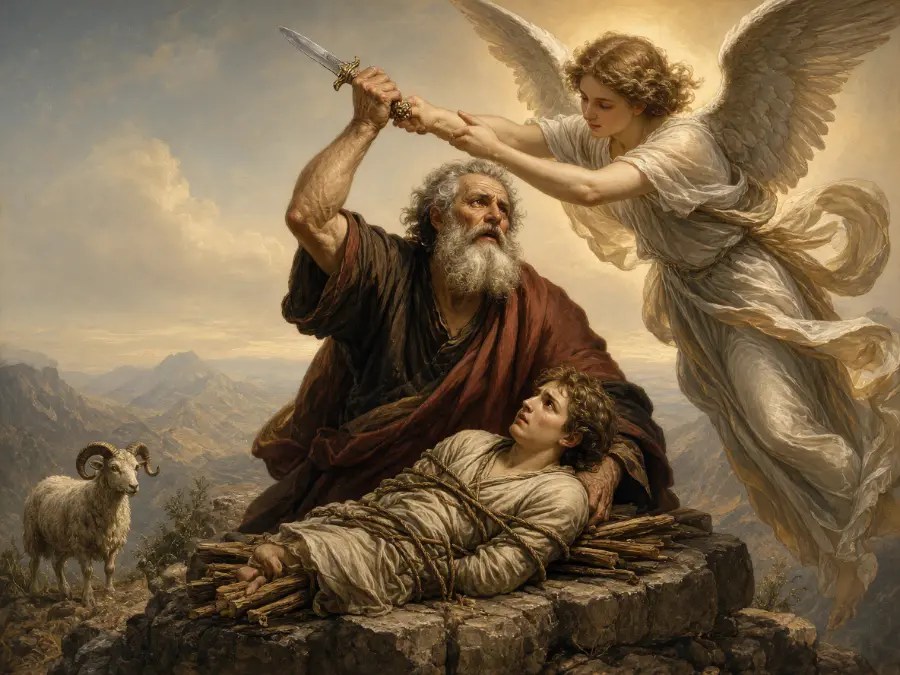
Luke 1:30-33
“But the angel said to her, ‘Do not be afraid, Mary; you have found favor with God. You will conceive and give birth to a son, and you are to call him Jesus. He will be great and will be called the Son of the Most High.’”
Reflection: Mary asks how this will be, “since I am a virgin” (1:34), and the angel answers her. When Zechariah asked, “How can I be sure of this?” a few verses earlier, he was made unable to speak (1:18-20).
Luke 2:4-5
“So Joseph also went up from the town of Nazareth in Galilee to Judea, to Bethlehem the town of David, because he belonged to the house and line of David. He went there to register with Mary, who was pledged to be married to him and was expecting a child.”
Reflection: The journey was for the census described in 2:1-3, when “everyone went to their own town to register.” Luke adds that Mary made the journey while pregnant.

Luke 2:6-7
“While they were there, the time came for the baby to be born, and she gave birth to her firstborn, a son. She wrapped him in cloths and placed him in a manger, because there was no guest room available for them.”
Reflection: The word behind guest room is kataluma, and Luke uses it again for the room where the Last Supper is held (22:11). For the inn in the parable of the good Samaritan he uses a different word (10:34). Many scholars read this verse as describing a crowded house with no space left in its guest room.
Matthew’s account, which follows Joseph
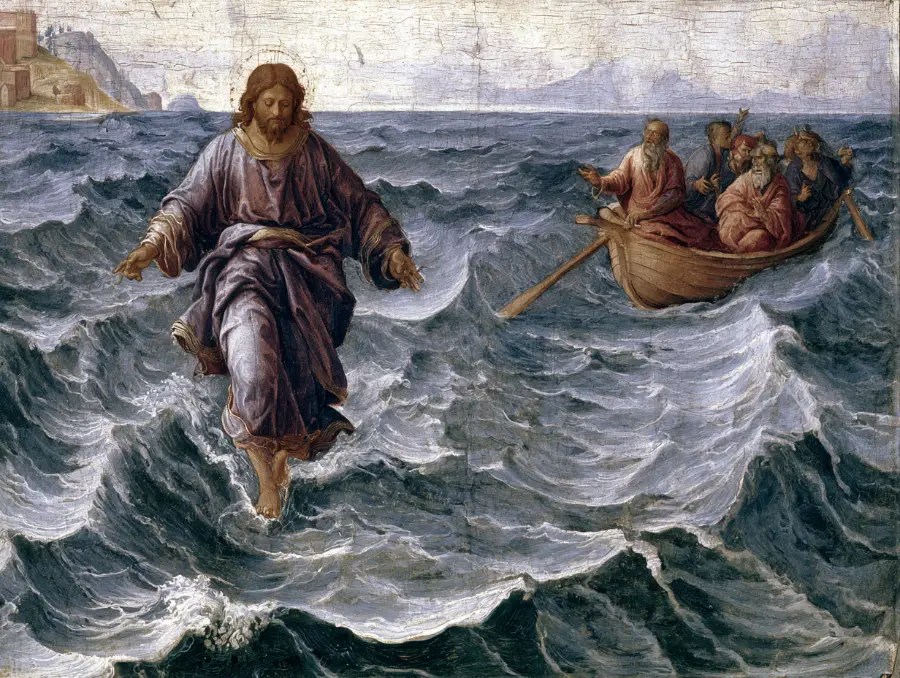
Matthew 1:20-21
“But after he had considered this, an angel of the Lord appeared to him in a dream and said, ‘Joseph son of David, do not be afraid to take Mary home as your wife, because what is conceived in her is from the Holy Spirit. She will give birth to a son, and you are to give him the name Jesus, because he will save his people from their sins.’”
Reflection: Joseph had already decided to divorce Mary quietly because he “did not want to expose her to public disgrace” (1:19). The angel comes after that decision and tells him to take her home as his wife.
Matthew 1:22-23
“All this took place to fulfill what the Lord had said through the prophet: ‘The virgin will conceive and give birth to a son, and they will call him Immanuel’ (which means ‘God with us’).”
Reflection: Matthew quotes Isaiah 7:14 in the Greek form that reads virgin, and he translates Immanuel for his readers: “God with us.”
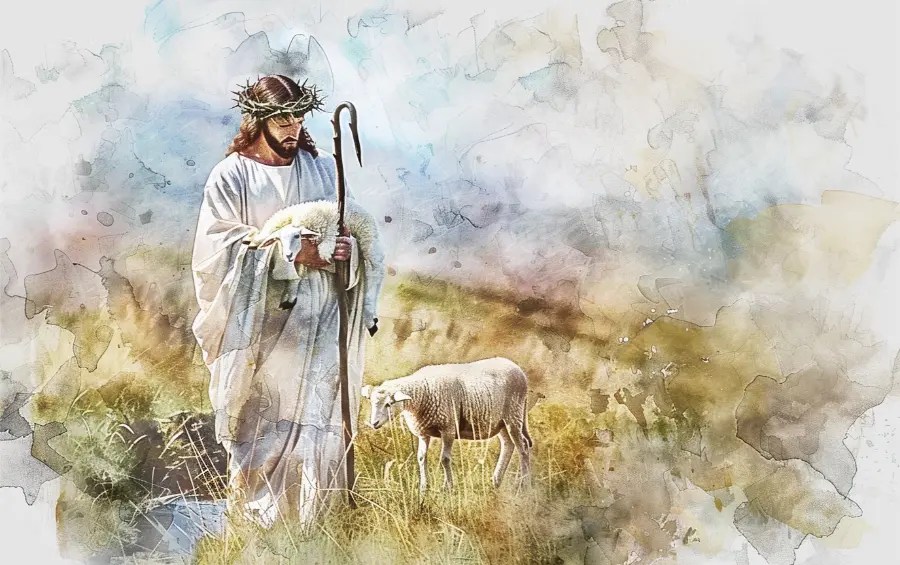
Matthew 1:24-25
“When Joseph woke up, he did what the angel of the Lord had commanded him and took Mary home as his wife. But he did not consummate their marriage until she gave birth to a son. And he gave him the name Jesus.”
Reflection: Each time Joseph is told something in a dream, Matthew reports what he did when he woke (1:24; 2:14, 21). Joseph has no spoken words anywhere in the Gospels.
Who was told, and who came
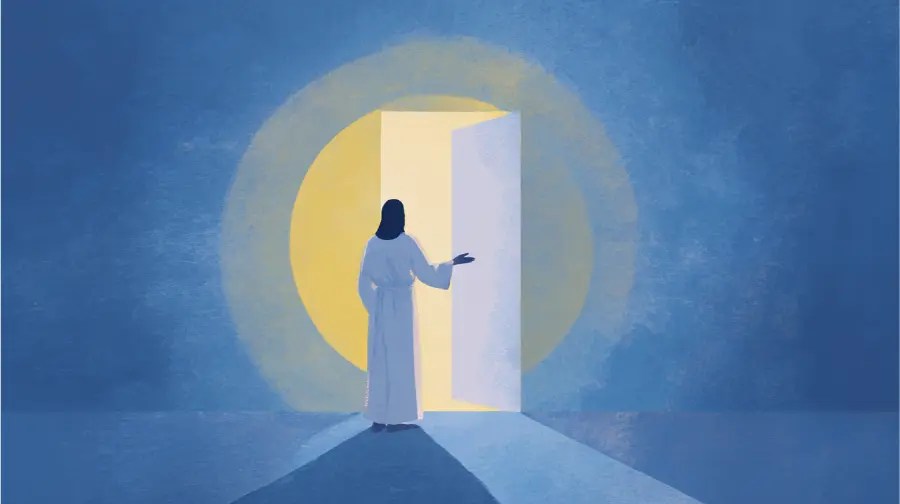
Luke 2:11-12
“Today in the town of David a Savior has been born to you; he is the Messiah, the Lord. This will be a sign to you: You will find a baby wrapped in cloths and lying in a manger.”
Reflection: The sign is a baby lying in a manger, which the shepherds had to go into Bethlehem to find. They “hurried off and found Mary and Joseph, and the baby” (2:16).
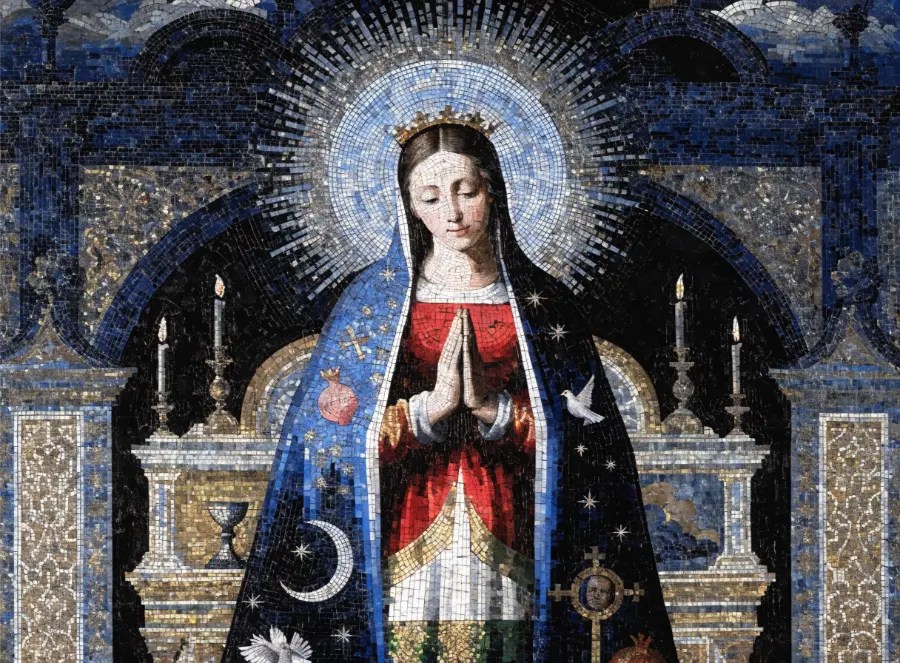
Luke 2:13-14
“Suddenly a great company of the heavenly host appeared with the angel, praising God and saying, ‘Glory to God in the highest heaven, and on earth peace to those on whom his favor rests.’”
Reflection: Older manuscripts read “to those on whom his favor rests.” The King James Version’s “good will toward men” follows later manuscripts, which differ by one letter in Greek.
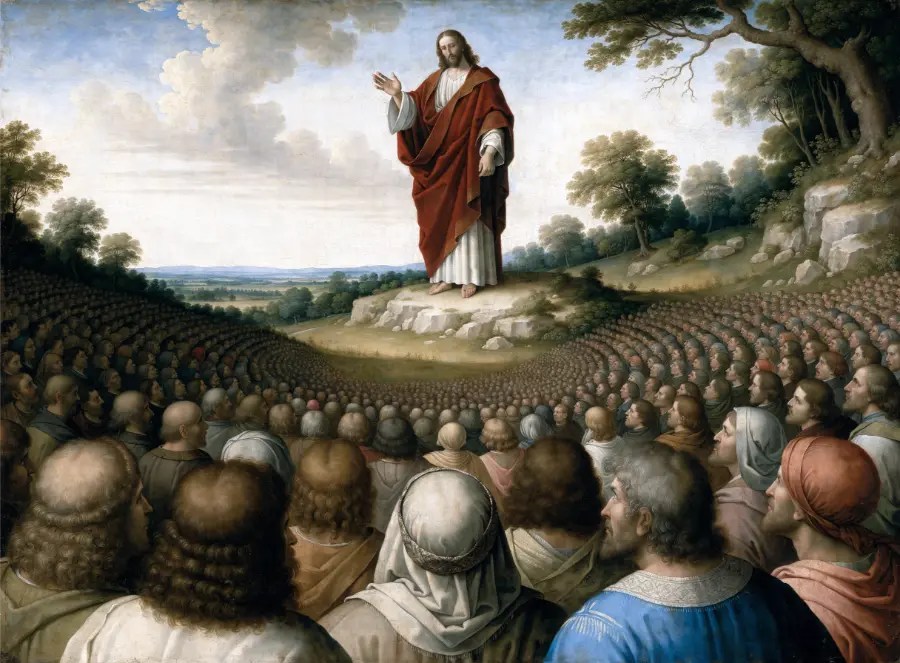
Luke 2:17-18
“When they had seen him, they spread the word concerning what had been told them about this child, and all who heard it were amazed at what the shepherds said to them.”
Reflection: The shepherds are the first to tell others about the child. Luke had opened his Gospel by saying he “carefully investigated everything from the beginning” (1:3), and he gives them this place in the account.
Matthew 2:1-2
“After Jesus was born in Bethlehem in Judea, during the time of King Herod, Magi from the east came to Jerusalem and asked, ‘Where is the one who has been born king of the Jews? We saw his star when it rose and have come to worship him.’”
Reflection: Magi were members of a priestly class from Persia and the east, known for studying the stars; they were not kings. Matthew does not say how many there were, and the number three was later inferred from the three gifts.
Matthew 2:5-6
“‘In Bethlehem in Judea,’ they replied, ‘for this is what the prophet has written: “But you, Bethlehem, in the land of Judah, are by no means least among the rulers of Judah.”‘”
Reflection: The chief priests and teachers of the law answer Herod from Micah 5:2. Herod then used the answer to order the killing of the boys in and around Bethlehem who were two years old and under (2:16).
Matthew 2:11
“On coming to the house, they saw the child with his mother Mary, and they bowed down and worshiped him. Then they opened their treasures and presented him with gifts of gold, frankincense and myrrh.”
Reflection: Matthew says the Magi came to a house and found the child with his mother. Herod’s order covering boys up to two years old (2:16) suggests some time had passed since the birth.
What the rest of the New Testament says about it
John 1:14
“The Word became flesh and made his dwelling among us. We have seen his glory, the glory of the one and only Son, who came from the Father, full of grace and truth.”
Reflection: John has no birth narrative, and this verse states what the birth meant. The verb for made his dwelling comes from the Greek word for a tent, the word used for the tabernacle Israel carried through the wilderness.
Galatians 4:4-5
“But when the set time had fully come, God sent his Son, born of a woman, born under the law, to redeem those under the law, that we might receive adoption to sonship.”
Reflection: Paul never tells the story of the birth in any of his letters. “Born of a woman, born under the law” is what he says of it, and Galatians was probably written before any of the Gospels.
Philippians 2:6-7
“Who, being in very nature God, did not consider equality with God something to be used to his own advantage; rather, he made himself nothing by taking the very nature of a servant, being made in human likeness.”
Reflection: Made himself nothing translates a verb meaning emptied. Many scholars think Paul is quoting an early Christian hymn in 2:6-11.
What the two accounts actually agree on
Set Matthew and Luke side by side and the overlap is short: a virgin named Mary, pledged to Joseph of David’s line; a conception by the Holy Spirit; a son born in Bethlehem while Herod was king; the name Jesus given at an angel’s instruction; and a childhood in Nazareth. Most of the rest of each account is material the other does not mention.
The rest of the New Testament says less. Paul gives the birth a phrase, “born of a woman, born under the law,” and John gives it one sentence: “The Word became flesh.” The New Testament also looks ahead to a second coming; see Bible verses about Jesus coming back.


Leave a Reply