
 English
 Chinese
 Dutch
 Arabic
 Spanish
 Portuguese
 Russian
 French
 Italian
 German
 Japanese
In the Bible, betrayal comes from people the betrayed had trusted. Psalm 55:12-14 describes a friend who walked with David at God’s house, 2 Samuel 15:31 David’s counselor Ahithophel, Jeremiah 12:6 the prophet’s own brothers, and Matthew 26:14-15 Judas, “one of the twelve.”
The Hebrew verb bagad, to act treacherously, is behind “dealt treacherously” in Jeremiah 12:6 and “faithless” in Malachi 2:14, and in Jeremiah 3:20 God uses it of Israel: “as a treacherous wife leaves her husband, so have you been treacherous to me, O house of Israel.” In the accounts of Judas, “betray” translates the Greek paradidomi, to hand over, the verb in his offer to “deliver him over” (Matthew 26:15) and in Paul’s “on the night when he was betrayed” (1 Corinthians 11:23).
When a close friend turns
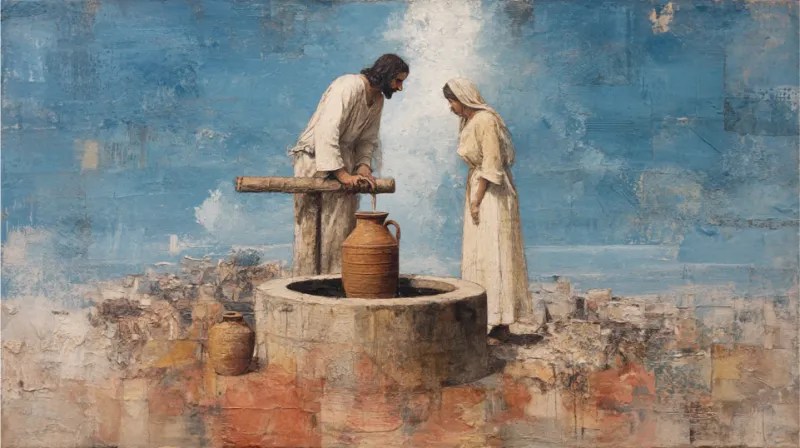
Psalm 55:12-14
“For it is not an enemy who taunts me— then I could bear it; it is not an adversary who deals insolently with me— then I could hide from him. But it is you, a man, my equal, my companion, my familiar friend. We used to take sweet counsel together; within God’s house we walked in the throng.”
Reflection: David could have borne an enemy’s taunts or hidden from an adversary, he says, but the one who turned on him was “my equal, my companion, my familiar friend,” someone he had taken counsel with and walked beside at God’s house. Later the psalm describes what the friend did: “My companion stretched out his hand against his friends; he violated his covenant. His speech was smooth as butter, yet war was in his heart” (Psalm 55:20-21). The heading gives no occasion, and the friend is not named.

Psalm 41:9
“Even my close friend in whom I trusted, who ate my bread, has lifted his heel against me.”
Reflection: David asks God to heal him (Psalm 41:4), and the verses that follow list those waiting for his death: enemies asking “When will he die, and his name perish?”, a visitor who goes out and “tells it abroad,” and whisperers saying “he will not rise again from where he lies” (Psalm 41:5-8). The close friend comes last in that list. Jesus quotes the line at supper with his disciples, “He who ate my bread has lifted his heel against me,” shortly before he identifies Judas as the one who would betray him (John 13:18-26).

2 Samuel 15:31
“And it was told David, ‘Ahithophel is among the conspirators with Absalom.’ And David said, ‘O LORD, please turn the counsel of Ahithophel into foolishness.’”
Reflection: Ahithophel was David’s counselor (2 Samuel 15:12), and his advice “was as if one consulted the word of God” (2 Samuel 16:23). He joined the conspiracy of Absalom, David’s own son (2 Samuel 16:11), and the news reached David as he climbed the Mount of Olives weeping and barefoot (2 Samuel 15:30). When Absalom did not follow his counsel, Ahithophel went home, set his house in order and hanged himself (2 Samuel 17:23).
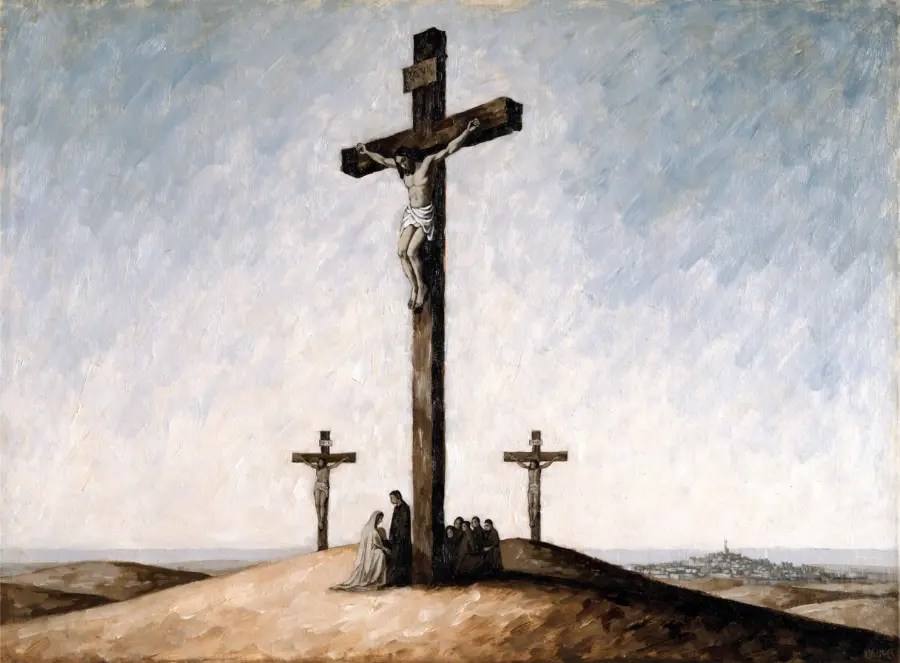
Job 19:19
“All my intimate friends abhor me, and those whom I loved have turned against me.”
Reflection: Job lists the people who have withdrawn from him: brothers, relatives, close friends, guests, servants and his wife (Job 19:13-17). The list opens “He has put my brothers far from me,” naming God as the one who estranged them. Two verses on, Job pleads, “Have mercy on me, have mercy on me, O you my friends, for the hand of God has touched me!”
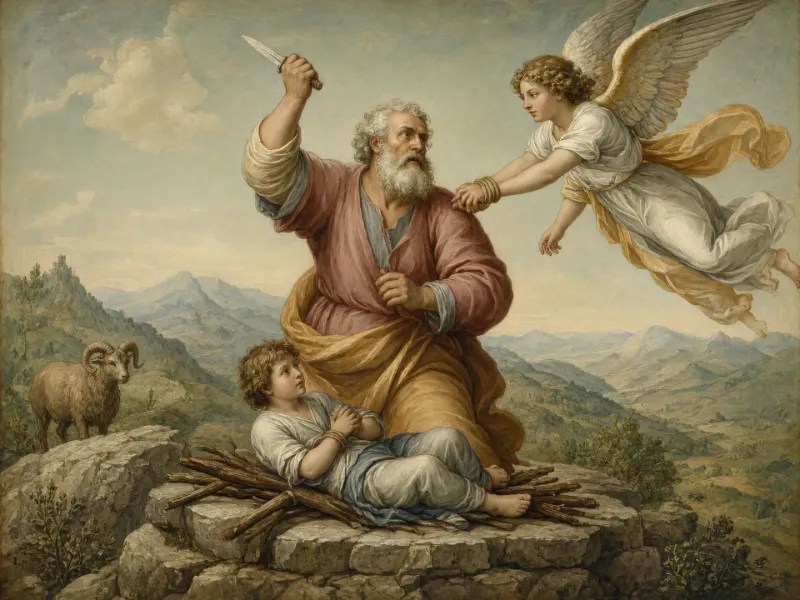
2 Timothy 4:10
“For Demas, in love with this present world, has deserted me and gone to Thessalonica.”
Reflection: Demas appears elsewhere as Paul’s companion: he sends greetings with Luke in Colossians 4:14, and Philemon 1:24 lists him among Paul’s “fellow workers.” Here Demas has gone, and Paul adds, “Luke alone is with me” (2 Timothy 4:11). Of his first defense Paul writes that “all deserted me. May it not be charged against them!” (2 Timothy 4:16), while of Alexander the coppersmith, who “did me great harm,” he says “the Lord will repay him according to his deeds” (2 Timothy 4:14).

Obadiah 1:7
“All your allies have driven you to your border; those at peace with you have deceived you; they have prevailed against you; those who eat your bread have set a trap beneath you— you have no understanding.”
Reflection: The betrayers in this verse are Edom’s allies, the nations at peace with it and “those who eat your bread.” Obadiah’s prophecy is against Edom, the people of “Mount Esau” (Obadiah 1:8), and it names Edom’s own offence as “the violence done to your brother Jacob”: on the day strangers entered Jerusalem’s gates, Edom “stood aloof” and was “like one of them” (Obadiah 1:10-11). Verse 15 states the principle: “As you have done, it shall be done to you.”
When the betrayal is inside the family

Genesis 50:20
“As for you, you meant evil against me, but God meant it for good, to bring it about that many people should be kept alive, as they are today.”
Reflection: Joseph’s brothers had hated him because their father loved him more (Genesis 37:4), and at Judah’s suggestion he was sold to the Ishmaelites for twenty shekels of silver (Genesis 37:27-28); Joseph later tells them, “I am your brother, Joseph, whom you sold into Egypt” (Genesis 45:4). After Jacob died they feared Joseph would pay them back, sent a message asking him to forgive them, and came and fell down before him (Genesis 50:15-18). Joseph wept at the message, and his answer begins “Do not fear, for am I in the place of God?” and ends “I will provide for you and your little ones” (Genesis 50:19-21).
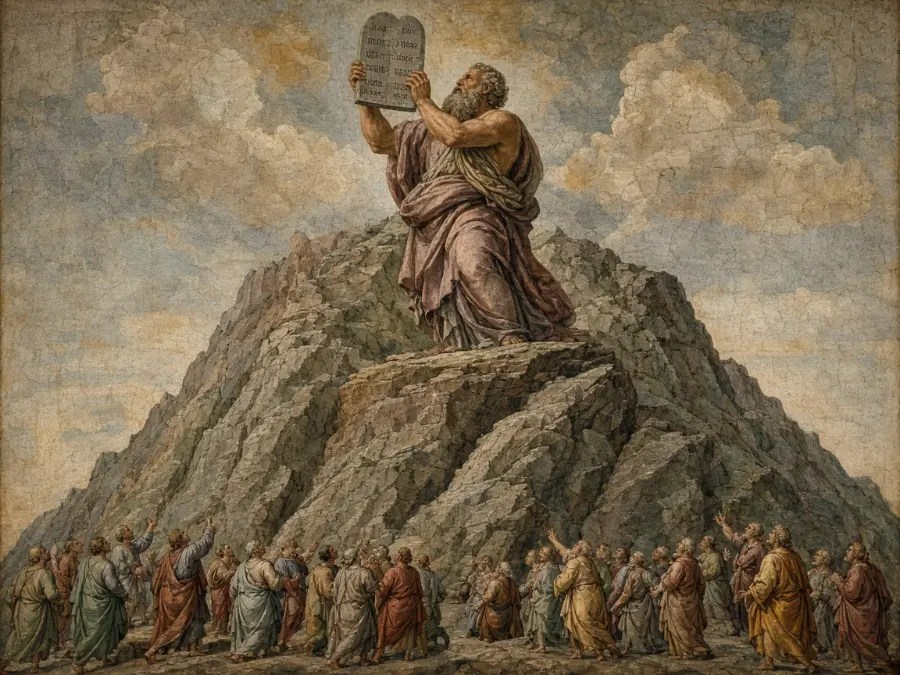
Jeremiah 12:6
“For even your brothers and the house of your father, even they have dealt treacherously with you; they are in full cry after you; do not believe them, though they speak friendly words to you.”
Reflection: God says this in answer to Jeremiah’s complaint, “Why do all who are treacherous thrive?” (Jeremiah 12:1). The chapter before records a plot against his life by “the men of Anathoth” (Jeremiah 11:21), and Jeremiah 1:1 places him among the priests in Anathoth. God’s answer opens with a question: “If you have raced with men on foot, and they have wearied you, how will you compete with horses?” (Jeremiah 12:5).
Micah 7:5-6
“Put no trust in a neighbor; have no confidence in a friend; guard the doors of your mouth from her who lies in your arms; for the son treats the father with contempt, the daughter rises up against her mother, the daughter-in-law against her mother-in-law; a man’s enemies are the men of his own house.”
Reflection: Micah describes a land where “the godly has perished from the earth” and “the prince and the judge ask for a bribe” (Micah 7:2-3), and in these verses the distrust reaches the household and the wife “who lies in your arms.” Jesus uses the end of verse 6 when he sends out the twelve: “a person’s enemies will be those of his own household” (Matthew 10:36). Micah’s next line turns to God: “But as for me, I will look to the LORD; I will wait for the God of my salvation” (Micah 7:7).

Malachi 2:14
“But you say, ‘Why does he not?’ Because the LORD was witness between you and the wife of your youth, to whom you have been faithless, though she is your companion and your wife by covenant.”
Reflection: The men Malachi addresses weep at the altar because God “no longer regards the offering,” and this verse gives the reason (Malachi 2:13). “Faithless” is bagad here, and Malachi repeats it in the next two verses: “let none of you be faithless to the wife of your youth” (Malachi 2:15).
Judas, Peter and the night of the arrest

Matthew 26:14-15
“Then one of the twelve, whose name was Judas Iscariot, went to the chief priests and said, ‘What will you give me if I deliver him over to you?’ And they paid him thirty pieces of silver.”
Reflection: Matthew sets the bargain before the Passover meal: Judas goes to the chief priests, takes the money, and “from that moment he sought an opportunity to betray him” (Matthew 26:16). After Jesus was condemned, Judas brought the thirty pieces back, saying “I have sinned by betraying innocent blood,” threw them into the temple and hanged himself (Matthew 27:3-5). The chief priests would not put “blood money” into the treasury and bought the potter’s field with it (Matthew 27:6-7).
John 13:21
“After saying these things, Jesus was troubled in his spirit, and testified, ‘Truly, truly, I say to you, one of you will betray me.’”
Reflection: John says Jesus was “troubled in his spirit” as he said it, and the disciples “looked at one another, uncertain of whom he spoke” (John 13:22). When the disciple reclining beside him asked who it was, Jesus gave a dipped morsel to Judas, yet “no one at the table knew why” he then told Judas, “What you are going to do, do quickly” (John 13:25-28). Judas went out at once, “And it was night” (John 13:30).

Matthew 26:48-50
“Now the betrayer had given them a sign, saying, ‘The one I will kiss is the man; seize him.’ And he came up to Jesus at once and said, ‘Greetings, Rabbi!’ And he kissed him. Jesus said to him, ‘Friend, do what you came to do.’”
Reflection: The kiss was a signal agreed in advance, so that the crowd sent by the chief priests and elders would seize the right man (Matthew 26:47-48). Judas greets Jesus as “Rabbi,” and Jesus answers him with “Friend.” When one of those with Jesus cut off the ear of the high priest’s servant, Jesus told him to put his sword back, and by the end of the scene “all the disciples left him and fled” (Matthew 26:51-56).

Luke 22:48
“But Jesus said to him, ‘Judas, would you betray the Son of Man with a kiss?’”
Reflection: Luke records Judas drawing near “to kiss him” and Jesus’ question, but not the kiss itself (Luke 22:47). When one of the disciples then struck the high priest’s servant, Jesus said “No more of this!” and healed the man’s ear (Luke 22:50-51). He then told the chief priests and elders who had come out against him, “this is your hour, and the power of darkness” (Luke 22:53).
Mark 14:71-72
“But he began to invoke a curse on himself and to swear, ‘I do not know this man of whom you speak.’ And immediately the rooster crowed a second time. And Peter remembered how Jesus had said to him, ‘Before the rooster crows twice, you will deny me three times.’ And he broke down and wept.”
Reflection: Earlier that night Peter had told Jesus, “If I must die with you, I will not deny you” (Mark 14:31). The third denial comes after bystanders insist “you are a Galilean” (Mark 14:70), and Peter swears under a curse that he does not know Jesus. In John 21:15-17 the risen Jesus asks Peter three times, “Do you love me?”
Secrets, gossip and honest wounds

Proverbs 25:9-10
“Argue your case with your neighbor himself, and do not reveal another’s secret, lest he who hears you bring shame upon you, and your ill repute have no end.”
Reflection: The setting is a dispute between neighbours: verse 8 warns against rushing into court, and verse 9 says to argue the case with the neighbour himself. Another person’s secret stays out of that argument, and the cost named in verse 10 falls on the one who reveals it: “your ill repute have no end.”
Proverbs 17:9
“Whoever covers an offense seeks love, but he who repeats a matter separates close friends.”
Reflection: The two halves set out two ways of handling an offence between friends: covering it, which “seeks love,” and repeating it, which separates them. Proverbs 16:28 says the same of the whisperer, who “separates close friends.”
Proverbs 27:6
“Faithful are the wounds of a friend; profuse are the kisses of an enemy.”
Reflection: The verse before it reads “Better is open rebuke than hidden love” (Proverbs 27:5). Verse 6 sets a friend’s wounds, which it calls faithful, against an enemy’s kisses, which it calls profuse.
Prayers about a betrayer
Psalm 55 is a prayer from its first line, “Give ear to my prayer, O God,” and Psalm 41:10 is addressed to God as well. Psalm 55 asks God to act against those who turned on David: “Let death steal over them; let them go down to Sheol alive” (Psalm 55:15). Psalm 41:10 asks to be raised up to repay them: “raise me up, that I may repay them!” Jeremiah’s prayer after the plot in Anathoth also asks for vengeance and gives the case to God: “let me see your vengeance upon them, for to you have I committed my cause” (Jeremiah 11:20).
Psalm 55:22 turns to the hearer: “Cast your burden on the LORD, and he will sustain you,” and the psalm’s last line is “But I will trust in you.”


Leave a Reply