
 English
 Chinese
 Dutch
 Arabic
 Spanish
 Portuguese
 Russian
 French
 Italian
 German
 Japanese
The Bible treats human weakness as the place where God’s power is shown. In 2 Corinthians 12:9-10 the Lord tells Paul, “my power is made perfect in weakness,” and Paul concludes, “when I am weak, then I am strong.”
The weakness varies from passage to passage. Psalm 103:14 speaks of a body made from dust, Psalm 6:2-3 of a sick and troubled man, Matthew 26:41 of flesh that gives way, and Judges 6:15 of a man sent to do more than he can. Isaiah 40:29 promises power to the faint, Romans 8:26 says the Spirit helps when “we do not know what to pray for as we ought,” and Hebrews 4:15 describes a high priest who sympathizes with it. Romans 15:1 and 1 Corinthians 12:22 turn to the weak within a church and what the strong owe them.
Power made perfect in weakness
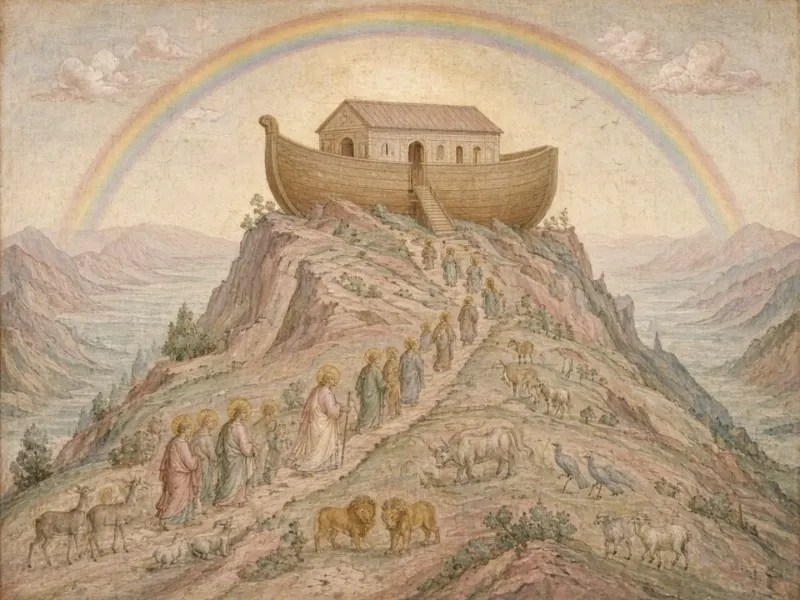
2 Corinthians 12:9
“But he said to me, ‘My grace is sufficient for you, for my power is made perfect in weakness.’ Therefore I will boast all the more gladly of my weaknesses, so that the power of Christ may rest upon me.”
Reflection: Paul has just described a “thorn” given him “in the flesh” to keep him from becoming conceited over his visions, and says he pleaded three times for it to leave (12:7-8). This verse is the Lord’s answer: the thorn stays, and grace is enough. Paul does not say what the thorn was. He had already said in 11:30, “If I must boast, I will boast of the things that show my weakness,” and here he gives the reason: so that “the power of Christ may rest upon me.”
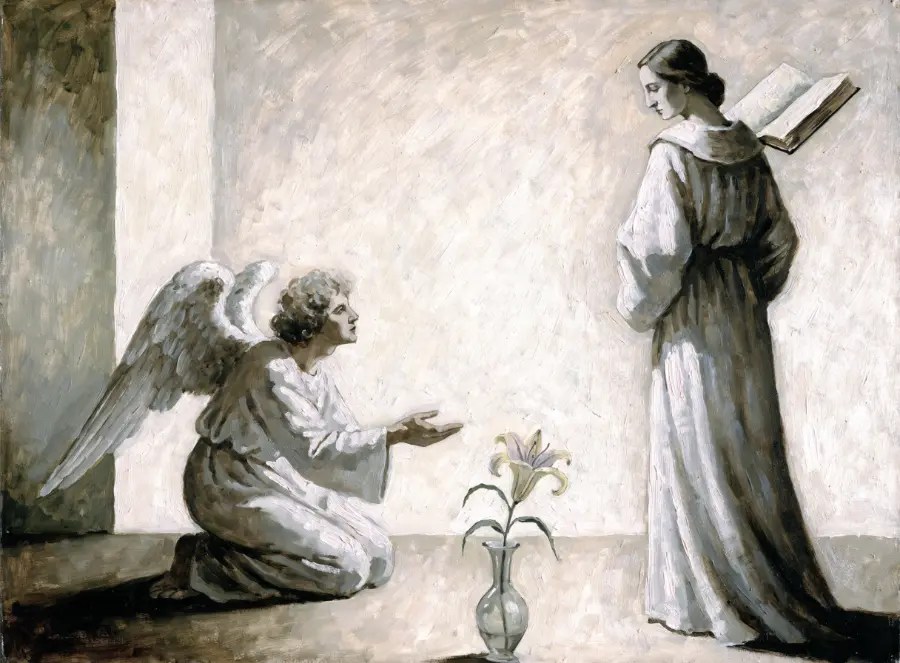
2 Corinthians 12:10
“For the sake of Christ, then, I am content with weaknesses, insults, hardships, persecutions, and calamities. For when I am weak, then I am strong.”
Reflection: The list widens the word beyond the thorn: weaknesses stand beside insults, hardships, persecutions and calamities, all accepted “for the sake of Christ.” The closing sentence puts weak and strong in the same moment: “when I am weak, then I am strong.”

2 Corinthians 4:7
“But we have this treasure in jars of clay, to show that the surpassing power belongs to God and not to us.”
Reflection: The treasure is “the light of the knowledge of the glory of God in the face of Jesus Christ” (4:6), and the clay jars are the people who carry it, the “we” who have “this ministry” and proclaim “Jesus Christ as Lord” (4:1, 4:5). The next verses show what the fragile container goes through: “afflicted in every way, but not crushed; perplexed, but not driven to despair; persecuted, but not forsaken; struck down, but not destroyed” (4:8-9). The stated purpose is that the power is seen to be God’s.
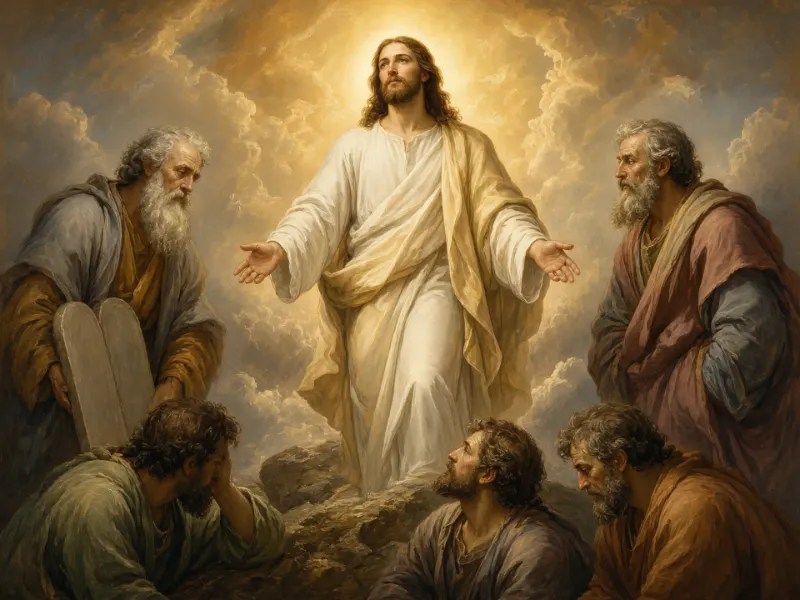
2 Corinthians 13:4
“For he was crucified in weakness, but lives by the power of God. For we also are weak in him, but in dealing with you we will live with him by the power of God.”
Reflection: Paul is warning the Corinthians before his third visit, because they “seek proof that Christ is speaking” in him (13:2-3). He answers by pointing to the cross: Christ was crucified in weakness and lives by God’s power. Paul applies the same pattern to himself, weak “in him” and yet able to act with God’s power when he arrives.
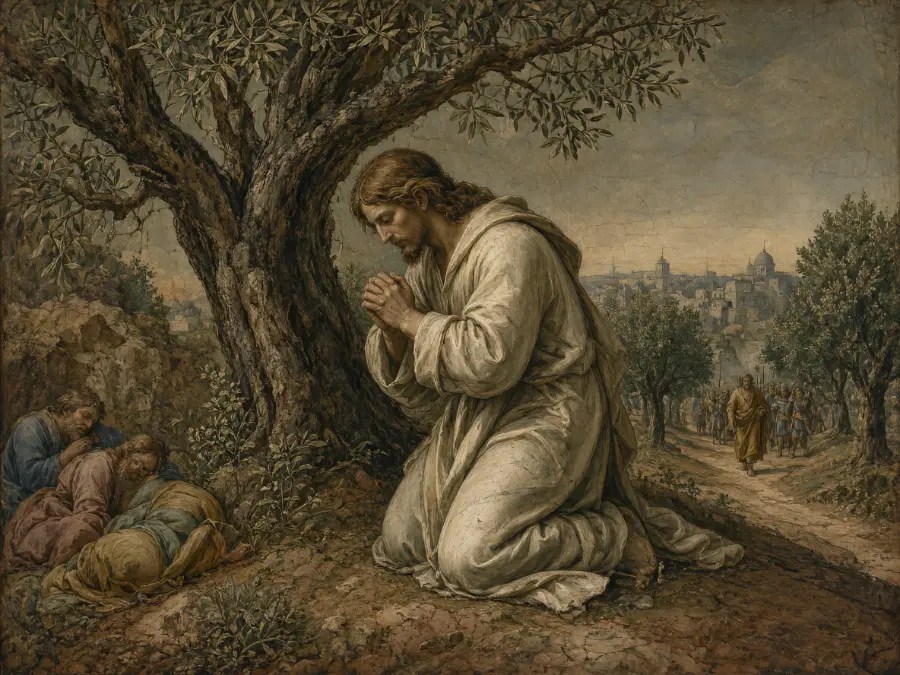
1 Corinthians 1:27
“But God chose what is foolish in the world to shame the wise; God chose what is weak in the world to shame the strong.”
Reflection: Paul tells the Corinthians to look at their own church: “not many of you were wise according to worldly standards, not many were powerful, not many were of noble birth” (1:26). God chose the weak and the despised on purpose, “so that no human being might boast in the presence of God” (1:29). Two verses earlier he says that “the weakness of God is stronger than men,” referring to the message of the cross.
Weakness in the lives of God’s people
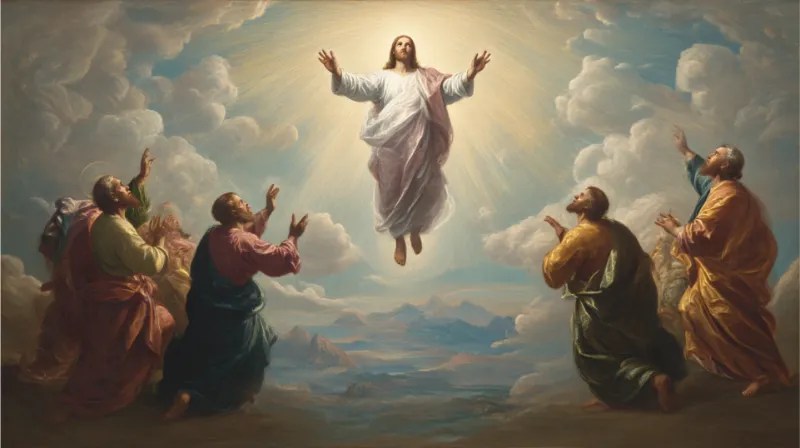
Judges 6:15
“And he said to him, ‘Please, Lord, how can I save Israel? Behold, my clan is the weakest in Manasseh, and I am the least in my father’s house.’”
Reflection: Gideon is threshing wheat in a winepress to hide it from the Midianites when the angel greets him as a “mighty man of valor” (6:11-12). His reply names two kinds of weakness: his clan is the weakest in Manasseh, and he is the least in his family. The Lord does not dispute either point. He answers, “But I will be with you” (6:16), and in the next chapter reduces Gideon’s army “lest Israel boast over me” (7:2).
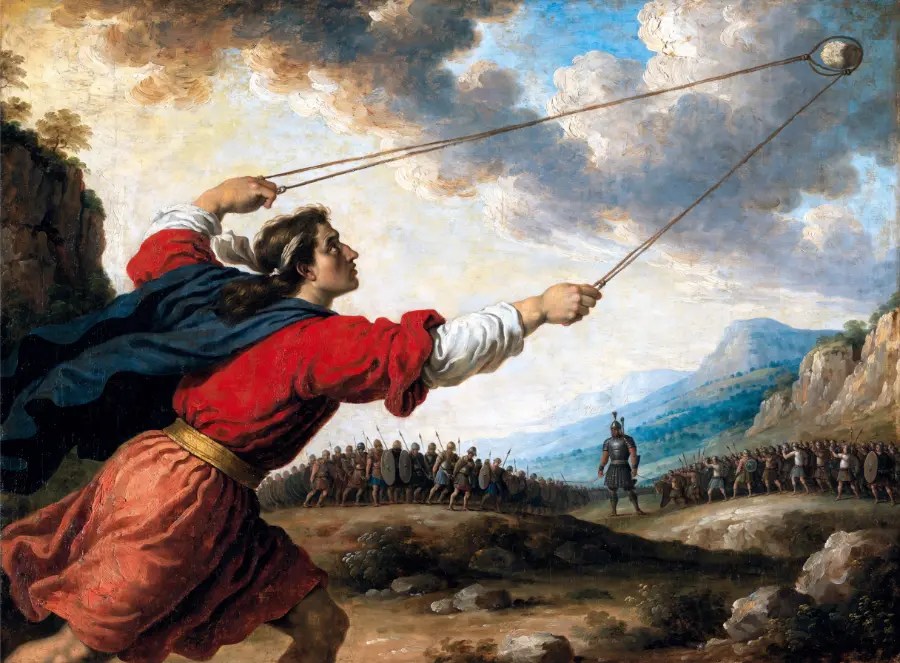
Psalm 6:2-3
“Be gracious to me, O LORD, for I am languishing; heal me, O LORD, for my bones are troubled. My soul also is greatly troubled. But you, O LORD—how long?”
Reflection: David’s psalm opens by asking not to be disciplined in God’s anger. Here the weakness is physical and inward at once: he is languishing, his bones are troubled, and his soul is greatly troubled. He asks for healing and then stops at “how long?” without an answer. The next verse asks the Lord to save him “for the sake of your steadfast love.”
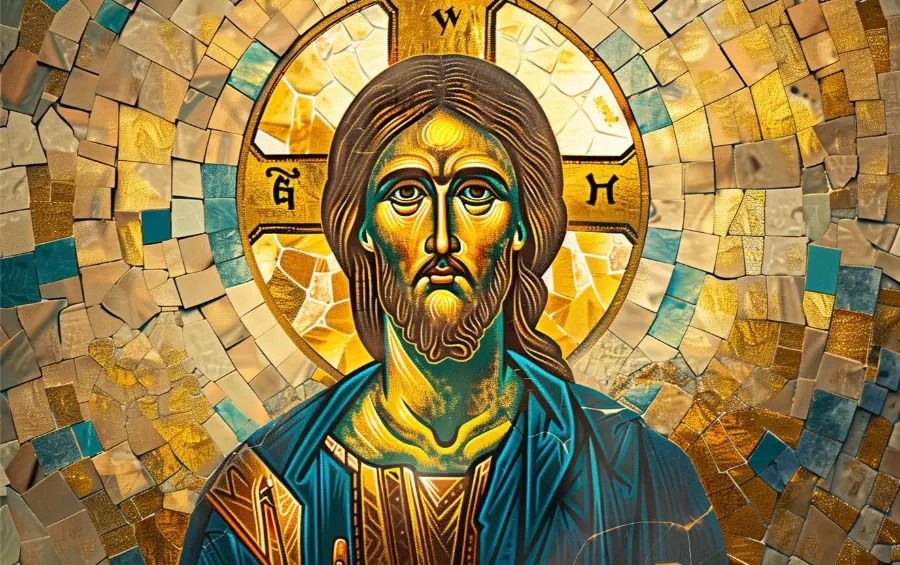
Psalm 73:26
“My flesh and my heart may fail, but God is the strength of my heart and my portion forever.”
Reflection: After opening with “Truly God is good to Israel” (73:1), Asaph admits that his feet had almost stumbled because he envied the prosperity of the wicked (73:2-3). The turn came when he “went into the sanctuary of God” (73:17). By verse 26 he concedes that both his body and his heart may fail, and he names God as the strength of his heart and his “portion forever.”

Psalm 103:14
“For he knows our frame; he remembers that we are dust.”
Reflection: The verse before it says, “As a father shows compassion to his children, so the Lord shows compassion to those who fear him” (103:13), and this verse opens with “For,” giving the reason for that compassion: God knows what people are made of, and “dust” recalls the making of man in Genesis 2:7. The verses that follow compare a human life to grass and a flower of the field that the wind passes over.

Matthew 26:41
“Watch and pray that you may not enter into temptation. The spirit indeed is willing, but the flesh is weak.”
Reflection: In Gethsemane Jesus asked Peter, James and John to watch with him while he prayed, and he came back to find them asleep (26:37-40). He tells Peter to watch and pray against temptation, and names the problem: the spirit is willing, but the flesh is weak. Later the same night Peter denied him three times (26:69-75).
What God does for the weak
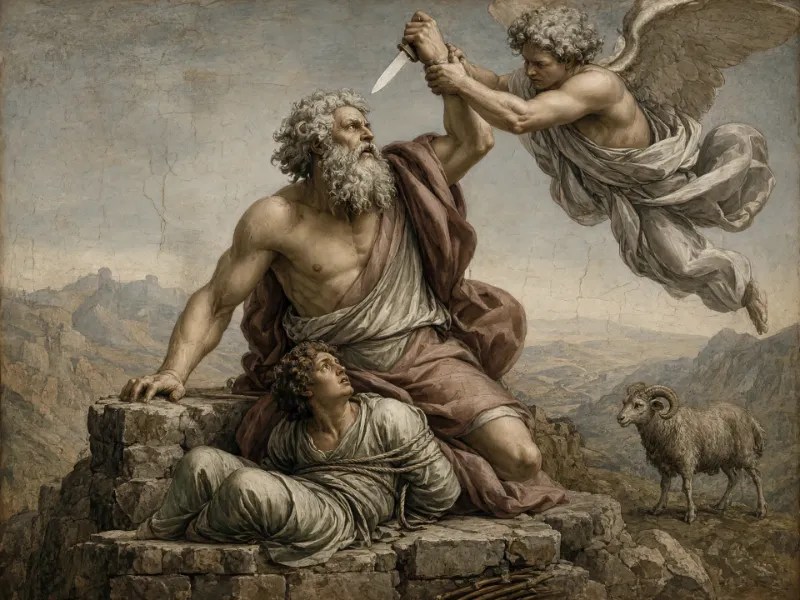
Isaiah 40:29
“He gives power to the faint, and to him who has no might he increases strength.”
Reflection: The chapter opens with “Comfort, comfort my people,” and verse 27 answers Israel’s complaint that its way is hidden from the Lord. The Creator himself “does not faint or grow weary” (40:28). Even youths faint and fall exhausted, the following verses say, “but they who wait for the Lord shall renew their strength; they shall mount up with wings like eagles; they shall run and not be weary; they shall walk and not faint” (40:31).
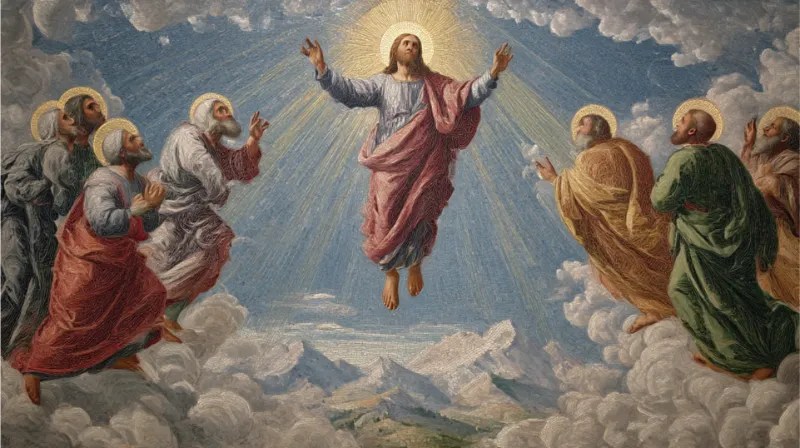
Isaiah 42:3
“a bruised reed he will not break, and a faintly burning wick he will not quench; he will faithfully bring forth justice.”
Reflection: The verse describes the servant of the Lord, on whom God has put his Spirit (42:1). A reed already bruised and a wick already burning low are things easy to finish off, and the servant does not finish them off. Matthew 12:18-21 quotes the passage and applies it to Jesus, who had just healed the crowds that followed him.
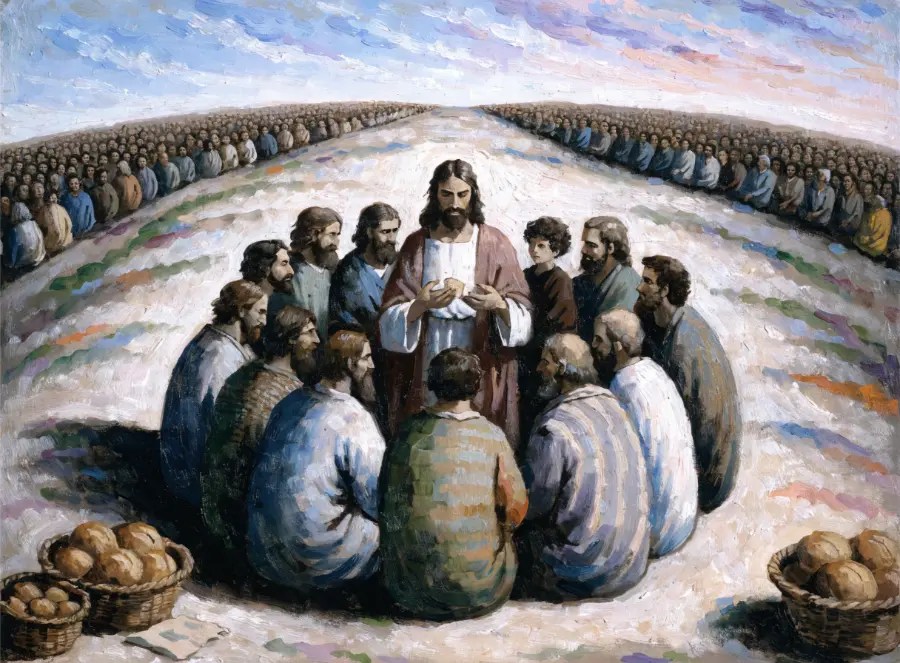
Romans 8:26
“Likewise the Spirit helps us in our weakness. For we do not know what to pray for as we ought, but the Spirit himself intercedes for us with groanings too deep for words.”
Reflection: Paul has just written of creation groaning and believers groaning inwardly as they wait for “the redemption of our bodies” (8:22-23). The weakness in this verse is specific: “we do not know what to pray for as we ought.” The Spirit intercedes in that gap, and verse 27 adds that he intercedes “according to the will of God.”

Hebrews 4:15
“For we do not have a high priest who is unable to sympathize with our weaknesses, but one who in every respect has been tempted as we are, yet without sin.”
Reflection: The writer has introduced Jesus as “a great high priest who has passed through the heavens” (4:14). This verse adds that he was tempted in every respect, without sin, and so can sympathize. The next verse draws the practical conclusion: “Let us then with confidence draw near to the throne of grace, that we may receive mercy and find grace to help in time of need” (4:16). Hebrews 5:2 says an ordinary high priest can deal gently with the wayward because he “himself is beset with weakness.”
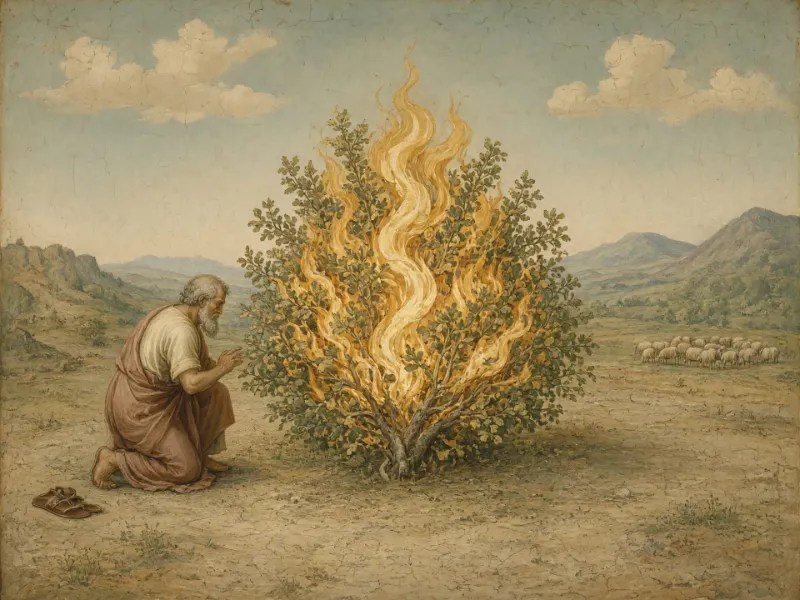
Philippians 4:13
“I can do all things through him who strengthens me.”
Reflection: Paul writes this while thanking the Philippians for a gift sent through Epaphroditus (4:10, 4:18). The “all things” in context are the conditions he has just listed: being brought low and abounding, “plenty and hunger, abundance and need” (4:12).
The weak within the church

1 Corinthians 12:22
“On the contrary, the parts of the body that seem to be weaker are indispensable,”
Reflection: Paul compares the church to a body in which no part can say to another, “I have no need of you” (12:21). The parts that seem weaker are the ones he calls indispensable. God has given “greater honor to the part that lacked it,” he goes on, “that there may be no division in the body, but that the members may have the same care for one another” (12:24-25). The next verse adds, “If one member suffers, all suffer together” (12:26).
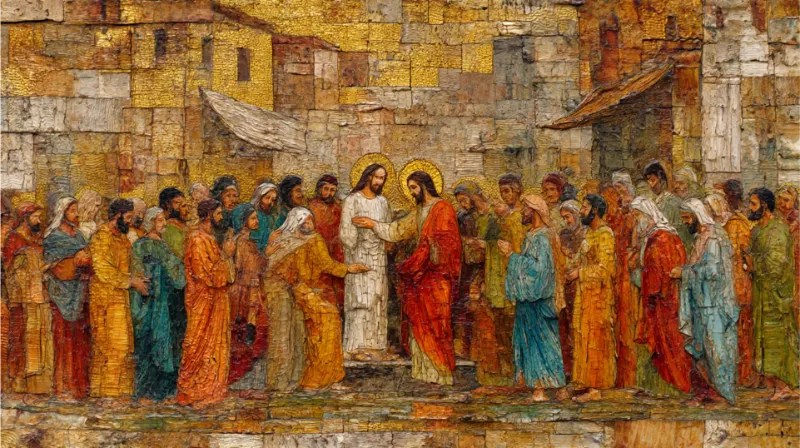
Romans 15:1
“We who are strong have an obligation to bear with the failings of the weak, and not to please ourselves.”
Reflection: The verse belongs to the discussion that began, “As for the one who is weak in faith, welcome him” (14:1), and continues to “welcome one another as Christ has welcomed you” (15:7). There “the weak person eats only vegetables” (14:2), and here the strong are told to bear with those failings rather than please themselves. Paul grounds the command in Christ: “For Christ did not please himself” (15:3).
A verse for how you feel
Choose how you feel today and read a verse from Scripture.
He has made everything beautiful in its time. He has also set eternity in the hearts of men, yet they cannot fathom the work that God has done from beginning to end.
Get a verse each week
Thank you. Your first verse is on its way.
If nothing arrives in a few minutes, look in your spam or promotions folder.
Keep this for another day. A verse for how you feel has a page of its own, with our verses for each feeling.
Each verse is quoted from the Berean Standard Bible.


Leave a Reply