
 German
  English
  Chinese
  Dutch
Dutch  Arabic
  Spanish
  Portuguese
  Russian
  French
  Italian
  Japanese
 The Act of Contrition is the short prayer of sorrow a Catholic says in confession, after the priest gives a penance and before absolution. Its two traditional English forms both begin “O my God, I am heartily sorry for having offended Thee,” and both end with a firm resolve, made with the help of God’s grace, to amend one’s life.
The older of the two is printed this way in the Manual of Prayers of the Third Plenary Council of Baltimore (1888):
O mein Gott! Ich bereue von ganzem Herzen, Dich beleidigt zu haben, und ich verabscheue alle meine Sünden, weil ich den Verlust des Himmels und die Qualen der Hölle fürchte, aber vor allem, weil sie Dich beleidigen, meinen Gott, der Du allgütig bist und all meine Liebe verdienst. Ich nehme mir fest vor, mit der Hilfe Deiner Gnade meine Sünden zu beichten, Buße zu tun und mein Leben zu bessern. Amen.
Later printings of the Baltimore Catechism, first approved in 1885, carry the same words. The other traditional form, which the U.S. bishops call “well-known in the United States,” gives sorrow “because of thy just punishments.” The bishops’ Act of Contrition page prints it in full, in modern English, with the newer prayers from the Order of Penance. Any of these may be prayed in confession.
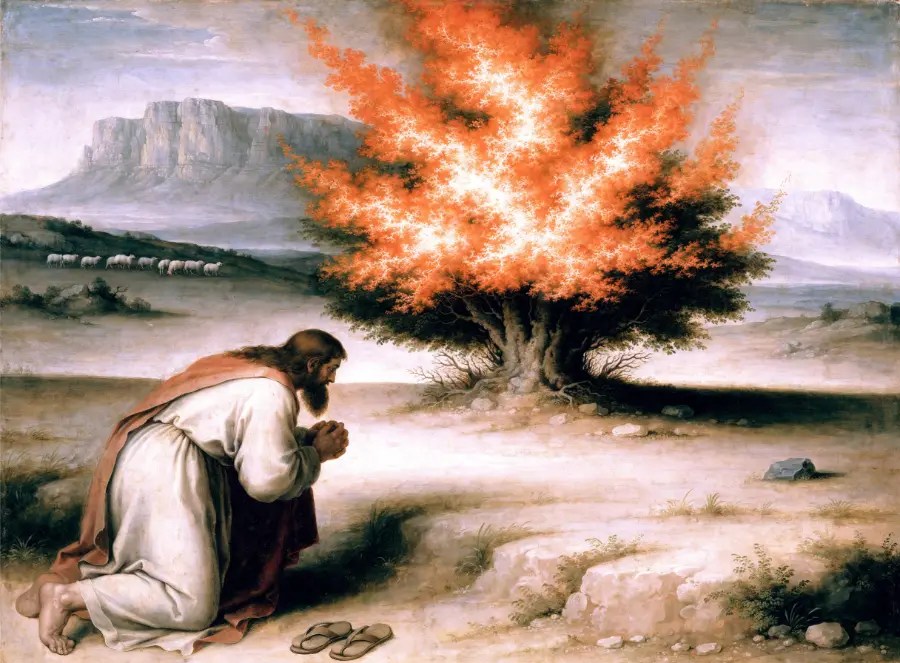
What does each line of the Act of Contrition mean?
Each phrase of the prayer carries a piece of Catholic teaching on repentance. The Catechism of the Catholic Church defines contrition as “sorrow of the soul and detestation for the sin committed, together with the resolution not to sin again,” and the prayer walks through that definition in order.
- “O my God! I am heartily sorry for having offended Thee.” “Heartily” means from the heart. The Catechism calls true repentance “a conversion to God with all our heart,” and it describes sin as an offense against God, quoting the psalm: “Against you, you alone, have I sinned.”
- “And I detest all my sins.” Contrition is more than regret. The Baltimore Catechism defines it as “a hatred of sin and a true grief of the soul for having offended God,” and the word “all” leaves none out.
- “Because I dread the loss of heaven and the pains of hell.” This is sorrow out of fear. The Church calls it imperfect contrition, and the Catechism says it is “also a gift of God, a prompting of the Holy Spirit.”
- “But most of all because they offend Thee, my God, who art all-good and deserving of all my love.” This is sorrow out of love, which the Church calls perfect contrition: sorrow that “arises from a love by which God is loved above all else.” The words “most of all” put love ahead of fear without dismissing fear.
- “I firmly resolve, with the help of Thy grace.” The prayer turns from the past to the future. The resolution leans on grace, because, in the Catechism’s words, “Conversion is first of all a work of the grace of God.”
- “To confess my sins, to do penance, and to amend my life.” These are the penitent’s part in the sacrament. The Catechism names them as “repentance, confession or disclosure of sins to the priest, and the intention to make reparation and do works of reparation.” To amend one’s life is to change it, and the Baltimore Catechism adds that the purpose of sinning no more means avoiding “all mortal sin, but also its near occasions.”
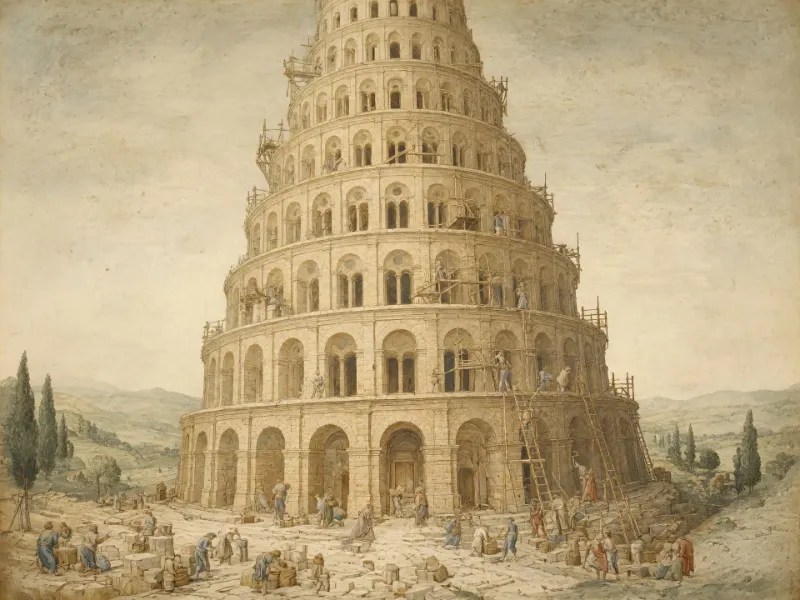
Where does the Act of Contrition come from?
The word comes from the Latin conterere, to crush or grind. Scripture uses the image for a heart broken by sin: “The sacrifices of God are a broken spirit: a broken and a contrite heart, O God, thou wilt not despise” (Psalm 51:17). The Gospels give a prayer of contrition in one line: the tax collector’s in the Temple, who “smote upon his breast, saying, God be merciful to me a sinner” (Luke 18:13).
The Council of Trent set out the Church’s teaching on contrition in 1551, in its fourteenth session, and called it “a sorrow of mind, and a detestation for sin committed, with the purpose of not sinning for the future.” The Catechism gives the same definition in a newer translation. The Act of Contrition puts that teaching into words a person can say. It was printed in catechisms beside three companion prayers, the acts of faith, hope and charity, and an 1878 handbook of Catholic belief says it is “strongly recommended to repeat them often.” James Butler’s Irish catechism has the act of contrition said before the other three, and gives the reason: “To obtain pardon of my sins; and thereby to render my prayers more acceptable to God, and more beneficial to myself.”
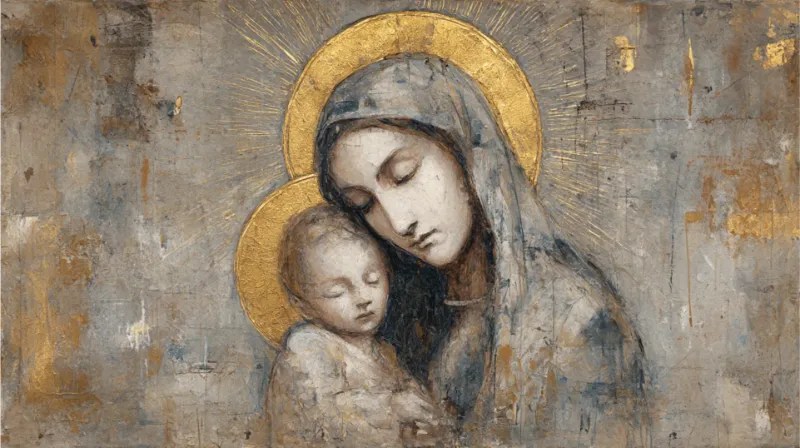
What is the difference between the old and new Act of Contrition?
The “old” Act of Contrition is the traditional prayer in “Thee” and “Thy,” in one of two forms, and the “new” one is the prayer from the Rite of Penance that the Church introduced in the 1970s. A newer English translation of that rite came into use in the United States in 2023. These are the forms most English-speaking Catholics meet:
| Form | It begins | Printed in |
|---|---|---|
| Baltimore, 1888 | “I am heartily sorry for having offended Thee” (fear of hell, then love) | Manual of Prayers, 1888; Baltimore Catechism |
| Revised Baltimore, by 1949 | The same opening, with “because of thy just punishments” | Compendium of the Catechism, 2005; U.S. Order of Penance, 2023 |
| Rite of Penance, 1974 | “My God, I am sorry for my sins with all my heart” | U.S. bishops’ confession guide |
| Order of Penance, 2023 | “O my God, I am sorry and repent with all my heart” | U.S. bishops’ prayer page |
| One line | “Lord Jesus, Son of God, have mercy on me, a sinner” | Order of Penance; Vatican News |
The two old versions
The first is the Baltimore text printed in full above. The second keeps the same opening and the same reason of love and changes two lines. Fear of losing heaven becomes sorrow “because of thy just punishments,” and the closing promise becomes a resolve “to sin no more and to avoid the near occasion of sin.” American catechisms carried it by 1949, in the Confraternity edition of the revised Baltimore Catechism. It is the English Act of Contrition that the Vatican’s Compendium of the Catechism (2005) prints in its appendix of common prayers, beside the Latin prayer it follows, and Vatican News gives it first on its prayer page. In 2022 the Holy See added it, in modern English, to the Order of Penance for the United States, beside the rite’s ten options, as “a traditional version of the prayer, well-known in the United States.” The Baltimore Catechism explains the near occasions of sin as “all the persons, places, and things that may easily lead us into sin.”
The new version
The Second Vatican Council asked that “the rite and formulas for the sacrament of penance” be revised “so that they more clearly express both the nature and effect of the sacrament.” The revised rite was promulgated in 1973, and its English translation of 1974 gave Catholics a new prayer of the penitent, which begins “My God, I am sorry for my sins with all my heart.” The U.S. bishops print it in full in their guide to confession as “a suggested Act of Contrition.”
That rite now has a new English translation, the Order of Penance. The Vatican confirmed it for the United States on April 25, 2022; priests could begin using it on Ash Wednesday, February 22, 2023, and it became the required text on Divine Mercy Sunday, April 16, 2023. Its prayer of the penitent begins “O my God, I am sorry and repent with all my heart.” The U.S. bishops’ Act of Contrition page prints three forms from it in full: this one, the “just punishments” prayer in modern English (“your just punishments” for “thy”), and the one-line prayer to Jesus.
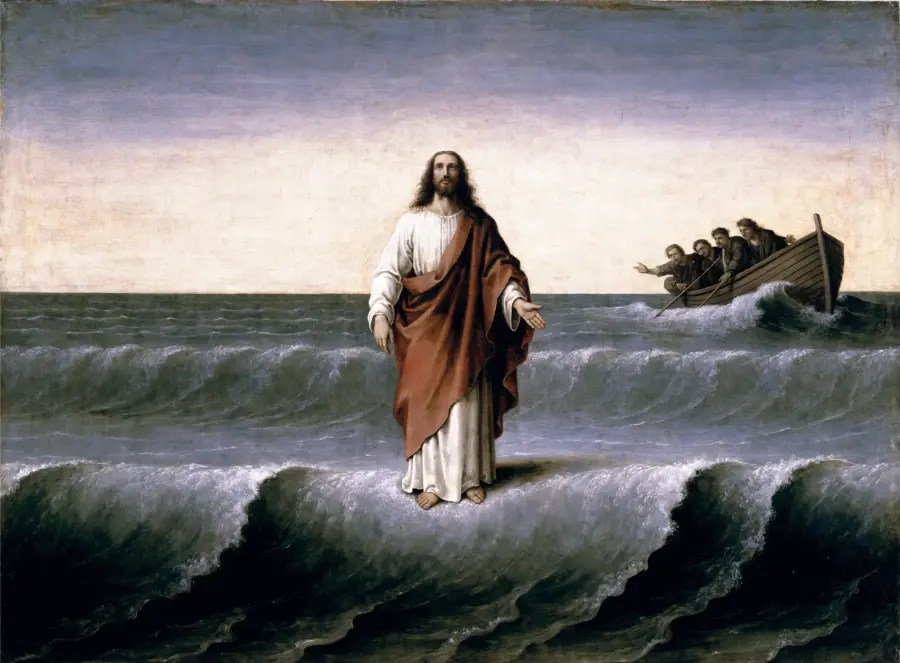
Which Act of Contrition should you say in confession?
Any of them. The U.S. bishops’ guide asks you to “pray an Act of Contrition, expressing sorrow for your sins and resolving to sin no more,” and calls the text it prints “a suggested Act of Contrition.” Their liturgy committee adds that penitents “are not limited to the options provided in the Order of Penance” and may use “other prayers or even in their own words.” The prayer you already know by heart is the one to use. You may also read it from a card or a phone, since the same guide says to “feel free to take this how-to guide with you,” and if the words leave you, the priest will help.
The prayer comes after the priest gives your penance and before he says the words of absolution; how to go to confession gives each step in order. It was once said at a different moment: the 1888 Manual of Prayers told penitents to “devoutly bow your head” while the priest gave absolution and to recite the Act of Contrition then.
Is there a short Act of Contrition for children?
Yes. Catechisms have long given children a shorter act of contrition, and the rite itself allows a single line. Joseph Faà di Bruno’s Katholischer Glaube (1878) prints this one among its short acts of faith, hope, love and contrition “for Little Children”:
O my God, because Thou art so good, I am very sorry that I have sinned against Thee, and I will not sin again.
The Order of Penance offers an even shorter prayer, “Lord Jesus, Son of God, have mercy on me, a sinner,” which echoes the tax collector’s prayer in Luke 18:13. Either may be used: the one line is among the Order of Penance’s own options, and penitents are free to pray “other prayers or even in their own words.”

What is the difference between perfect and imperfect contrition?
Perfect contrition is sorrow for sin out of love for God; imperfect contrition is sorrow out of fear of punishment or disgust at the sin itself. The Catechism says perfect contrition “arises from a love by which God is loved above all else,” and that the imperfect kind, also called attrition, “is born of the consideration of sin’s ugliness or the fear of eternal damnation and the other penalties threatening the sinner.”
The Church does not dismiss the second kind. The Council of Trent called it “a gift of God, and an impulse of the Holy Ghost,” and pointed to the Ninevites, who were “smitten profitably with this fear” at Jonah’s preaching and “obtained mercy from the Lord.” In confession it opens the way to forgiveness. The Catechism says that by itself “imperfect contrition cannot obtain the forgiveness of grave sins, but it disposes one to obtain forgiveness in the sacrament of Penance.” The traditional prayer holds both kinds of sorrow and asks for the better one, which is why it moves from the pains of hell to “most of all.”

Can an Act of Contrition forgive sins without confession?
Yes, perfect contrition can, if it includes the resolution to confess as soon as possible; that matters most when confession is impossible. The Catechism says perfect contrition “remits venial sins; it also obtains forgiveness of mortal sins if it includes the firm resolution to have recourse to sacramental confession as soon as possible.” Butler’s Catechism puts it plainly in an 1882 printing: perfect contrition “is the only means we have to recover God’s friendship when we cannot go to confession.”
The Church repeated this teaching in March 2020, during the Covid-19 pandemic. The Vatican’s Apostolic Penitentiary wrote on March 19 that for those who could not receive absolution, perfect contrition “obtains forgiveness of sins, even mortal ones.” Pope Francis said in a homily the next day, “If you don’t find a priest to go to confession, speak to God. He is your Father.” He advised them to ask forgiveness with an Act of Contrition and to promise God, “afterward I will go to confession, but forgive me now.”
The promise to confess is part of the act, and it stands. A Catholic aware of a mortal sin must still confess it as soon as possible, and canon law allows Communion before confession only when “there is a grave reason and there is no opportunity to confess,” with an act of perfect contrition “which includes the resolution of confessing as soon as possible” (canon 916).

When else do Catholics pray the Act of Contrition?
Catholics also pray it in morning and night prayers. The 1888 Manual of Prayers places it in the morning prayers beside the acts of faith, hope and charity. Its evening prayers end the day with a look back: “Ask of God light to discover the sins committed this day,” then “Here examine your Conscience,” and then a prayer of sorrow. That nightly review is a short Gewissenserforschung.
Other traditional forms in English, Latin and Spanish
The Irish form, from Butler’s Catechism
James Butler’s Catechism, which the four Catholic archbishops of Ireland recommended as a general catechism, gives this act of contrition in an 1836 printing. It grieves for sin out of love alone; the 1882 revised edition adds sorrow for the loss of heaven and the punishment of hell.
O my God, I am heartily sorry for having offended thee: and I detest my sins most sincerely because they displease thee, my God, who art so deserving of all my love, for thy infinite goodness and most amiable perfections: and I firmly purpose, by thy holy grace, never more to offend thee.
The form from England and Wales
Faà di Bruno’s Katholischer Glaube also prints the act of contrition from the catechism approved for England and Wales:
O my God, Who art infinitely good, and always hatest sin, I beg pardon from my heart for all my offences against Thee; I detest them all, and am heartily sorry for them, because they offend Thy infinite goodness; and I firmly resolve, by the help of Thy grace, never more to offend Thee, and carefully to avoid the occasions of sin.
The Latin form
Das lateinische Actus Contritionis is the text the “just punishments” prayer translates. This is how Cardinal Pietro Gasparri printed it in his Catechismus Catholicus (Vatican, 1930):
Deus meus, ex toto corde poenitet me omnium meorum peccatorum, eaque detestor, quia peccando, non solum poenas a Te iuste statutas promeritus sum, sed praesertim quia offendi Te, summum bonum, ac dignum qui super omnia diligaris. Ideo firmiter propono, adiuvante gratia Tua, de cetero me non peccaturum peccandique occasiones proximas fugiturum.
In plain English: My God, with all my heart I repent of all my sins and detest them, because by sinning I have not only earned the punishments you have justly decreed, but above all because I have offended you, the highest good, who are worthy to be loved above all things. Therefore I firmly resolve, with the help of your grace, not to sin from now on and to flee the near occasions of sin.
The Spanish form
Spanish-speaking Catholics have their own traditional act of contrition, which begins Señor mío, Jesucristo. Its wording differs a little from one prayer book to another; this is the text of a prayer book printed in Buenos Aires in 1893:
Señor mío, Jesucristo, Dios y hombre verdadero, Criador y Redentor mío; por ser Vos quien sois, y porque os amo sobre todas las cosas, me pesa de todo corazón de haberos ofendido; propongo firmemente nunca más pecar, y apartarme de todas las ocasiones de ofenderos; confesarme, y cumplir la penitencia que me fuere impuesta; ofrézcoos mi vida, obras y trabajos en satisfacción de todos mis pecados, y confío en vuestra bondad y misericordia infinita me los perdonaréis por los merecimientos de vuestra preciosísima sangre, pasión y muerte, y me daréis gracia para enmendarme, y para perseverar en vuestro santo servicio hasta el fin de mi vida. Amén.

Weiterführende Literatur
- Wie man zur Beichte geht: Was man sagt, das Reuegebet und eine Gewissenserforschung
- Examination of Conscience: A Catholic Guide by the Ten Commandments
- Gebete der Buße: Psalm 51, traditionelle Bekenntnisse und kurze Gebete
- 12 aufrichtige Beichtgebete für geistliche Erneuerung
- The Council of Trent, Session XIV, on Penance


Schreibe einen Kommentar