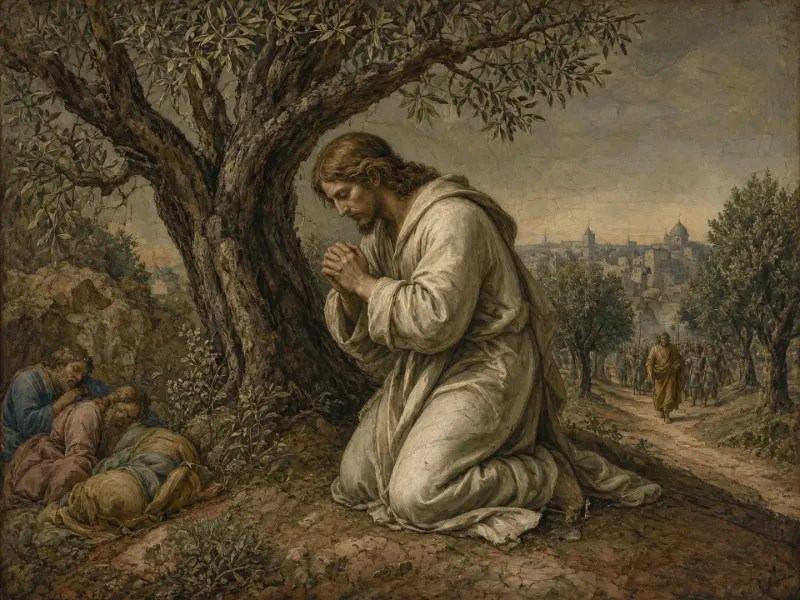
Ist Holly ein biblischer Name?


  • The Bible doesn’t mention holly, but its symbolism aligns with Christian themes like eternal life and the Passion of Christ.
  • Holly’s evergreen nature symbolizes eternal life, while its sharp leaves and red berries remind Christians of the crown of thorns and Jesus’ blood.
  • Although not a biblical name, Holly embodies Christian virtues, and its symbolism fits within broader naming traditions focused on spiritual significance.
  • Different Christian denominations view holly variably; some see it as meaningful Christmas symbol, while others prioritize scripture over non-biblical symbols.
This entry is part 47 of 226 in the series Namen und ihre biblischen Bedeutungen

Wird Stechpalme in der Bibel erwähnt?

You see, the Bible was written in a specific geographical and historical context, primarily focusing on plants native to the Middle East. Holly, being more common in Europe and parts of Asia, wouldn’t have been familiar to the biblical authors. But this doesn’t mean that the concept or symbolism associated with holly is entirely absent from biblical themes.

Our understanding of biblical plants has evolved over time, influenced by translations, cultural interpretations, and the natural spread of plant species. Some scholars have suggested that references to “thorns” or “prickly plants” in the Bible might, in some cases, be interpreted as holly-like plants. But these are speculative interpretations rather than direct mentions.

Psychologically it’s fascinating to consider how we often seek to find direct biblical connections for elements of our faith traditions. This desire speaks to our need for authenticity and historical continuity in our beliefs. But it’s equally important to recognize that many of our cherished Christian symbols and traditions have developed over time, enriching our faith without necessarily having explicit biblical origins.

Ich finde es fruchtbarer zu betrachten, wie Stechpalmen, trotz ihres Fehlens in der Schrift, wichtige christliche Themen verkörpern. Ihre immergrüne Natur zum Beispiel kann als Symbol für das ewige Leben gesehen werden, ein Konzept, das tief in der biblischen Lehre verwurzelt ist. Die scharfen Blätter könnten uns an die Dornenkrone erinnern, während die roten Beeren das Blut Christi symbolisieren könnten – beides kraftvolle Bilder aus der Passionsgeschichte.

Das Fehlen von Stechpalmen in der Bibel lädt uns ein, über die dynamische Natur unserer Glaubenstradition nachzudenken. Das Christentum hatte schon immer die Fähigkeit, Elemente aus verschiedenen Kulturen zu übernehmen und zu heiligen, indem es sie mit neuen, auf Christus ausgerichteten Bedeutungen erfüllte. Diese Anpassungsfähigkeit ist ein Beweis für die universelle Anziehungskraft der Botschaft des Evangeliums.

In our spiritual journey, we must remember that the power of a symbol lies not necessarily in its biblical mention, but in its ability to draw us closer to the divine truths expressed in Scripture. Holly, with its rich symbolism developed over centuries of Christian tradition, serves this purpose admirably, even if it doesn’t appear in the biblical text.

Obwohl wir also nicht auf einen spezifischen Vers verweisen können, der Stechpalmen erwähnt, können wir schätzen, wie diese Pflanze zu einem bedeutungsvollen Teil unseres christlichen Erbes geworden ist und uns jede Weihnachtszeit an wichtige geistliche Wahrheiten erinnert. Ihr Fehlen in der Bibel kann, anstatt ein Mangel zu sein, als Einladung gesehen werden, die Wege zu erforschen, auf denen unser lebendiger Glaube weiterhin neue Ausdrucksformen für zeitlose Wahrheiten findet.

Was ist die Bedeutung von Stechpalmen in der christlichen Symbolik?

Die Symbolik der Stechpalme in der christlichen Tradition ist ein faszinierendes Thema, das botanische Merkmale, historischen Kontext und spirituelle Metaphern miteinander verwebt. Ich empfinde die vielschichtige Symbolik der Stechpalme als eine reiche Quelle der Kontemplation und als ein kraftvolles Werkzeug, um tiefere spirituelle Wahrheiten zu verstehen.

Let’s consider the physical attributes of holly. Its evergreen nature has long been associated with eternal life and the everlasting love of God. In the depths of winter, when other plants have shed their leaves, holly remains green and vibrant, much like our faith is meant to endure through the darkest times. This resilience speaks to the human psyche’s need for hope and continuity, especially in challenging periods of our lives.

The sharp, pointed leaves of holly have come to symbolize the crown of thorns placed on Jesus’ head during His Passion. This connection to Christ’s suffering imbues the plant with a powerful significance, reminding us of the sacrificial love at the heart of our faith. Psychologically, this aspect of holly’s symbolism can serve as a powerful tool for processing and finding meaning in our own sufferings, helping us to connect our personal struggles with the redemptive suffering of Christ.

The bright red berries of holly are often interpreted as drops of Christ’s blood, shed for our salvation. This vivid imagery serves as a striking reminder of the price of our redemption and the depth of God’s love for us. Psychologically this symbolism taps into our innate response to the color red – associated with both danger and love – creating a visceral connection to the concept of sacrificial love.

Interestingly, holly also carries a symbolic duality that reflects the complexity of our faith. Its prickly leaves can represent defense against evil, while its berries offer sustenance to birds in winter, symbolizing God’s providence. This duality reminds us of the layered nature of our spiritual journey, which often involves both struggle and nourishment.

In some Christian traditions, holly is associated with Mary, the mother of Jesus. Legend has it that the berries were originally white, but turned red when Mary’s blood fell upon them as she walked to Bethlehem. This connection to Mary adds another layer of significance, emphasizing themes of purity, motherhood, and the Incarnation.

Die reiche Symbolik der Stechpalme bietet Gläubigen vielfältige Anknüpfungspunkte und ermöglicht es dem Einzelnen, sich durch greifbare, natürliche Bilder mit komplexen theologischen Konzepten auseinanderzusetzen. Dies kann in der religiösen Erziehung und persönlichen Andacht besonders wirkungsvoll sein, da es die Lücke zwischen abstrakten geistlichen Wahrheiten und unserer gelebten Erfahrung der natürlichen Welt schließt.

The use of holly in Christmas decorations serves as a visual catechesis, subtly reinforcing key aspects of our faith during a season that can often become overshadowed by secular concerns. As we adorn our homes with holly, we’re not just decorating, but also creating a sacred space that reminds us of Christ’s birth, death, and the eternal life He offers.

The Christian symbolism of holly is a beautiful example of how our faith tradition has always found ways to imbue the natural world with spiritual significance. It speaks to our human need to find meaning in our environment and to connect the tangible world around us with the intangible realities of our faith. Through holly, we are reminded of God’s enduring love, Christ’s sacrifice, and the eternal life promised to us – all captured in a simple, yet powerful, natural symbol.

Hat der Name Holly eine biblische Bedeutung?

Many names we consider “Christian” today don’t actually appear in the Bible. Our naming traditions have evolved over time, influenced by cultural, linguistic, and religious factors. The name Holly, in particular, has its roots in Old English, derived from the word for the holly tree. This linguistic origin places it outside the Hebrew, Aramaic, and Greek naming conventions found in the Bible. Another name that carries a different history is Christina, which is often used in various cultures today. The biblische Ursprünge des Namens Christina can be traced back to the Latin word “Christiana,” meaning “follower of Christ. ” This name reflects a direct connection to Christian beliefs, distinguishing it from names derived solely from local languages and traditions. While many names have been adopted and adapted over the centuries, some still maintain strong connections to their biblical origins. For instance, names like Judah and Judith directly reflect their biblische Herkunft des Namens Jude, was sie mit den reichen Erzählungen der Heiligen Schrift verbindet. Diese Verbindungen erinnern uns daran, wie wichtig es ist, den historischen und kulturellen Kontext von Namen zu verstehen, während sie sich weiterentwickeln. Darüber hinaus haben einige Namen, wie Lydia, sowohl eine biblische Bedeutung als auch einen reichen historischen Kontext. Der Geschichte des Namens Lydia lässt sich auf eine Region in Kleinasien zurückverfolgen, wo er von einer prominenten Figur des Neuen Testaments getragen wurde, die für ihre Rolle als hingebungsvolle Unterstützerin von Paulus' Wirken bekannt war. Dies veranschaulicht, wie bestimmte Namen ihre ursprünglichen kulturellen Kontexte überschritten und im Laufe der Geschichte neue Bedeutungen angenommen haben.

But the absence of a name from Scripture doesn’t diminish its potential spiritual significance. In fact, Psychologically the meaning we attribute to names often says more about our cultural and personal values than about any inherent biblical connection. The name Holly, with its association to the holly plant, has come to embody certain Christian virtues and symbols, even if these connections were developed post-biblically. Moreover, the exploration of names often uncovers layers of meaning that reflect our historical context and shared beliefs. For instance, while some might seek the ‘biblische Bedeutung des Namens Eli‘ due to its roots in scripture, it’s essential to recognize how contemporary interpretations can shape its relevance today. Ultimately, the value placed on a name may transcend its literal biblical references, inviting deeper spiritual exploration.

As we discussed earlier, holly has rich symbolism in Christian tradition, representing Christ’s crown of thorns, the blood He shed for us, and eternal life. By extension, the name Holly can be seen as carrying these powerful spiritual connotations. Parents choosing this name for their child might be expressing a desire for their little one to embody these Christian virtues – resilience in faith, sacrificial love, and the promise of eternal life in Christ.

Wir müssen den breiteren Kontext christlicher Namensgebungstraditionen betrachten. Im Laufe der Geschichte hat die Kirche die Praxis übernommen, Kinder nach Tugenden, natürlichen Elementen oder Konzepten zu benennen, die christliche Werte widerspiegeln. In diesem Licht passt Holly gut in diese Tradition, auch ohne direkten biblischen Bezug.

Namen spielen eine entscheidende Rolle bei der Identitätsbildung. Ein Kind namens Holly, das in einem christlichen Kontext aufwächst, könnte eine besondere Affinität zu der spirituellen Symbolik entwickeln, die mit seinem Namen verbunden ist. Dies könnte als einzigartiger Anknüpfungspunkt für seinen Glaubensweg dienen und eine persönliche Verbindung zu wichtigen theologischen Konzepten herstellen.

In some traditions, Holly is considered a variant of the name Hollis, which means “dweller by the holly trees.” This connection to a place of dwelling can be seen as spiritually major, reminding us of our status as dwellers in God’s creation and our call to be good stewards of the natural world.

Während Holly vielleicht keine direkte biblische Bedeutung im Sinne eines Erscheinens in der Schrift hat, trägt sie biblische Themen und christliche Symbolik in sich. Der Name verkörpert Ideen von Opferbereitschaft, ewigem Leben und der Verflechtung der natürlichen Welt mit spirituellen Wahrheiten – alles Konzepte, die tief in der biblischen Lehre verwurzelt sind.

Ich finde es schön, wie unsere Glaubenstradition immer Wege gefunden hat, Elemente aus verschiedenen Kulturen zu heiligen und sie mit christuszentrierten Bedeutungen zu erfüllen. Der Name Holly ist ein perfektes Beispiel für diesen Prozess, bei dem ein vorchristlicher, naturbezogener Name genommen und mit reicher christlicher Symbolik durchdrungen wird.

In our spiritual journeys, we often seek direct biblical connections to validate our choices and traditions. But it’s equally important to recognize how our living faith continues to develop, finding new expressions of timeless truths. The name Holly, with its evocative connections to Christian symbolism, serves as a beautiful bridge between our natural world and our spiritual heritage.

So Although we cannot point to a verse in the Bible that mentions Holly, we can appreciate how this name has become a meaningful part of our Christian naming tradition, carrying with it powerful spiritual significance that resonates with biblical themes of sacrifice, eternal life, and God’s enduring love.

Gibt es Bibelverse, die sich auf Stechpalmen beziehen?

Let’s consider the evergreen nature of holly, which symbolizes eternal life in Christian iconography. This concept is deeply rooted in biblical teaching, particularly in the New Testament. John 3:16 comes to mind: “For God so loved the world that he gave his one and only Son, that whoever believes in him shall not perish but have eternal life.” The enduring green of holly in winter can be seen as a natural embodiment of this promise of eternal life through Christ.

The sharp leaves of holly, often associated with Christ’s crown of thorns, bring to mind several passages describing Jesus’ passion. Matthew 27:29 tells us, “and then twisted together a crown of thorns and set it on his head.” While this verse doesn’t mention holly specifically, the visual parallel between holly leaves and the crown of thorns creates a powerful connection for many believers.

Holly’s red berries, symbolizing the blood of Christ in Christian tradition, can be linked to numerous biblical references to Christ’s sacrificial blood. Ephesians 1:7 states, “In him we have redemption through his blood, the forgiveness of sins, in accordance with the riches of God’s grace.” The vivid red of holly berries serves as a year-round reminder of this central tenet of our faith.

Psychologically these connections between holly and biblical themes demonstrate our human tendency to seek tangible representations of abstract spiritual concepts. By associating the physical characteristics of holly with key elements of Christ’s life and sacrifice, we create a tactile, visual reminder of our faith that can be particularly powerful during the Christmas season.

The use of natural imagery to convey spiritual truths is a common feature in Scripture. Jesus himself often used elements from nature in his parables and teachings. For instance, in John 15:5, He says, “I am the vine; you are the branches. If you remain in me and I in you, you will bear much fruit; apart from me you can do nothing.” While this doesn’t relate directly to holly, it demonstrates how biblical teaching often draws parallels between the natural world and spiritual realities.

In the Old Testament, we find numerous references to evergreen trees, which, like holly, maintain their leaves year-round. Psalm 1:3 describes the righteous person as being “like a tree planted by streams of water, which yields its fruit in season and whose leaf does not wither—whatever they do prospers.” The evergreen nature of holly could be seen as a representation of this enduring righteousness.

Isaiah 55:13 provides another interesting parallel: “Instead of the thornbush will grow the juniper, and instead of briers the myrtle will grow. This will be for the Lord’s renown, for an everlasting sign, that will endure forever.” While this verse doesn’t mention holly, the concept of thorny plants being replaced by more beneficial ones resonates with the dual nature of holly – its prickly leaves and nourishing berries.

Ich finde es faszinierend, wie unsere Tradition diese biblischen Themen aufgegriffen und Ausdrucksformen dafür in der natürlichen Welt um uns herum gefunden hat. Holly dient mit ihrer reichen Symbolik als Brücke zwischen der Heiligen Schrift und unserer gelebten Erfahrung und hilft dabei, abstrakte Konzepte greifbarer und unmittelbarer zu machen.

Solche physischen Erinnerungen an unseren Glauben zu haben, kann unglaublich kraftvoll sein. Sie dienen als ständige, subtile Verstärkung zentraler geistlicher Wahrheiten und helfen uns, unseren Glauben auch in unserem täglichen Leben in den Vordergrund zu stellen.

Although we can’t point to specific Bible verses about holly plants, we can see how the symbolism associated with holly aligns beautifully with numerous biblical themes. This alignment allows holly to serve as a powerful visual and tactile reminder of key aspects of our faith, particularly during the Christmas season. It’s a beautiful example of how our living faith tradition continues to find new ways to express and reinforce the timeless truths found in Scripture.

Wie wurde die Stechpalme mit Weihnachten in Verbindung gebracht?

Die Verbindung von Stechpalme mit Weihnachten ist eine faszinierende Reise durch Geschichte, Kultur und Spiritualität. Ich finde diese Entwicklung besonders faszinierend, da sie zeigt, wie sich religiöse Symbolik im Laufe der Zeit entwickeln und anpassen kann, beeinflusst sowohl durch theologische Interpretation als auch durch kulturelle Praktiken.

Die Verbindung zwischen Stechpalme und Weihnachten hat ihre Wurzeln in vorchristlichen Traditionen, insbesondere in europäischen heidnischen Kulturen. In diesen alten Glaubensvorstellungen hatten immergrüne Pflanzen während der Wintermonate eine besondere Bedeutung. Die Stechpalme, die selbst unter den härtesten winterlichen Bedingungen grün bleibt und Früchte trägt, wurde als Symbol für beständiges Leben und Fruchtbarkeit angesehen. Die Druiden beispielsweise glaubten, dass die Stechpalme Schutz vor bösen Geistern bot, und feierten sie während der Wintersonnenwende.

Als sich das Christentum über Europa ausbreitete, stieß es auf diese bestehenden Traditionen. Anstatt sie vollständig auszurotten, interpretierte die Kirche diese Bräuche oft neu und verlieh ihnen christliche Bedeutung. Dieser Prozess, bekannt als Synkretismus, ist ein häufiges Phänomen in der Religionsgeschichte und erfüllt eine wichtige psychologische Funktion. Er ermöglicht die Kontinuität kultureller Praktiken, während der spirituelle Fokus auf neue Überzeugungen gelenkt wird, was den Übergang für Konvertiten erleichtert und ein Gefühl der Vertrautheit im neuen Glaubenskontext schafft.

In the case of holly, its existing associations with protection and eternal life made it particularly amenable to Christian symbolism. The plant’s prickly leaves came to represent the crown of thorns worn by Jesus during his crucifixion, Although the red berries symbolized the drops of blood he shed for humanity’s salvation. This reinterpretation transformed holly from a pagan symbol into a powerful reminder of Christ’s sacrifice, aligning perfectly with the themes of the Nativity and Christ’s ultimate purpose.

The tradition of decking halls with boughs of holly during the Christmas season likely began in the Middle Ages. It served both a decorative and a spiritual purpose, bringing color and life into homes during the bleak winter months while also serving as a visual catechesis, reminding believers of Christ’s passion even as they celebrated his birth.

Psychologisch gesehen erfüllt die Verwendung von Stechpalmen in Weihnachtsdekorationen mehrere wichtige Funktionen. Sie schafft ein Gefühl der Kontinuität mit der Vergangenheit und verbindet uns mit jahrhundertelanger Tradition. Sie bietet auch eine greifbare, sinnliche Erfahrung des Glaubens, die es Einzelpersonen ermöglicht, sich durch einfache, natürliche Objekte mit komplexen theologischen Konzepten auseinanderzusetzen. Dies kann besonders in der religiösen Erziehung und persönlichen Andacht wirkungsvoll sein, da es die Lücke zwischen abstrakten spirituellen Wahrheiten und unserer gelebten Erfahrung der natürlichen Welt schließt.

Die Praxis, während der Weihnachtszeit Stechpalmen in unsere Häuser zu bringen, nutzt unser angeborenes Bedürfnis nach Ritualen und Symbolik. Als Menschen suchen wir oft nach Wegen, das Immaterielle greifbar zu machen, um physische Darstellungen unserer Überzeugungen und Werte zu schaffen. Stechpalmen erfüllen diesen Zweck wunderbar und ermöglichen es uns, uns buchstäblich mit Erinnerungen an unseren Glauben während einer Jahreszeit zu umgeben, die oft von weltlichen Sorgen überschattet werden kann.

The association of holly with Christmas also speaks to our psychological need for hope and resilience. In the depths of winter, when days are short and nature seems dormant, the vibrant green leaves and bright red berries of holly serve as a promise of life’s persistence. This natural symbolism aligns perfectly with the Christian message of hope and eternal life brought by Christ’s birth.

The use of holly at Christmas varies somewhat across different Christian traditions. In some regions, it’s believed that holly with smoother leaves is “she-holly,” associated with Mary, Although the pricklier variety is “he-holly,” representing Joseph. Such variations demonstrate how religious symbolism can adapt to local cultures and understandings, creating rich tapestries of meaning.

Ich finde es schön, wie unsere Glaubenstradition immer Wege gefunden hat, Elemente aus verschiedenen Kulturen zu heiligen und sie mit christuszentrierten Bedeutungen zu erfüllen. Die Verbindung von Stechpalmen mit Weihnachten ist ein perfektes Beispiel für diesen Prozess, bei dem ein vorchristliches Symbol genommen und in eine kraftvolle Erinnerung an christliche Grundwerte verwandelt wird.

Was sagten die Kirchenväter über die Stechpalme?

Mein geliebter Freund, die frühen Kirchenväter schrieben in ihren theologischen Werken nicht spezifisch über die Stechpalme. Die Stechpalme, wie wir sie heute kennen, war kein wesentlicher Bestandteil der frühen christlichen Symbolik oder Tradition. Die Kirchenväter befassten sich in erster Linie mit der Auslegung der Heiligen Schrift, der Verteidigung des Glaubens und der Etablierung der christlichen Lehre.

But we can draw some parallels between the symbolism later associated with holly and some of the themes the Church Fathers often discussed. For instance, St. Augustine, in his writings on the nature of good and evil, might have appreciated the holly’s duality – its sharp leaves and bright berries representing both suffering and joy, which are central to the Christian experience.

St. John Chrysostom, known for his eloquent sermons on practical Christian living, might have used the holly’s evergreen nature as a metaphor for the enduring faith of believers. He often spoke about perseverance in the face of adversity, which the holly’s ability to thrive in harsh winter conditions could symbolize.

St. Ambrose, who wrote extensively on the virtues, might have seen in the holly’s protective thorns a symbol of the virtue of fortitude. He might have drawn a parallel between the holly’s defense mechanism and the spiritual armor that Christians are called to wear (Ephesians 6:10-18).

While these are speculative connections, they demonstrate how the natural world can reflect spiritual truths, a concept the Church Fathers often employed in their teachings. St. Basil the Great, in his “Hexaemeron,” a series of sermons on the six days of creation, encouraged believers to see God’s wisdom reflected in nature. He might have appreciated the holly as another example of God’s creative design.

It’s crucial to remember, that our faith is not built on symbols or traditions, but on the living Word of God and the person of Jesus Christ. The Church Fathers consistently pointed to this truth. St. Jerome, the great translator of the Bible, would remind us to look to Scripture first for our understanding of faith.

Ich finde es faszinierend, wie wir Menschen nach Sinn in der Welt um uns herum suchen. Die Tatsache, dass spätere christliche Traditionen Symbolik in der Stechpalme fanden, spricht für unser angeborenes Verlangen, unseren Glauben mit der greifbaren Welt zu verbinden. Dieses Verlangen nach Verbindung und Sinn ist ein grundlegender Aspekt der menschlichen Psychologie und Spiritualität.

In our modern context, Although we may not have specific teachings from the Church Fathers about holly, we can still appreciate how natural elements can serve as reminders of spiritual truths. The holly, with its evergreen leaves, can remind us of the eternal nature of God’s love. Its red berries can symbolize the blood of Christ, while its prickly leaves can represent the crown of thorns.

Denken Sie daran, dass eine solche Symbolik zwar unsere Glaubenserfahrung bereichern kann, sie jedoch niemals die zentralen Wahrheiten unseres Glaubens, wie sie von den Kirchenvätern artikuliert wurden, ersetzen oder überschatten sollte. Ihr Fokus lag immer auf Christus, der Heiligen Schrift und dem Leben des Glaubens in der Gemeinschaft. Lassen Sie uns ebenfalls unseren Fokus auf diese wesentlichen Dinge richten, während wir die Schönheit und Symbolik der Welt, die Gott geschaffen hat, wertschätzen.

Gibt es in der christlichen Tradition eine Verbindung zwischen Stechpalmen und Jesus?

Obwohl Stechpalmen in der Bibel nicht erwähnt werden, hat die christliche Tradition Verbindungen zwischen dieser Pflanze und unserem Herrn Jesus Christus gezogen. Diese Assoziationen entwickelten sich im Laufe der Zeit als Teil des riesigen Geflechts christlicher Symbolik, insbesondere im mittelalterlichen Europa.

The most prominent connection between holly and Jesus in Christian tradition relates to the plant’s physical characteristics. The holly’s spiky leaves have been seen as a representation of the crown of thorns that was placed on Jesus’ head during His passion (Matthew 27:29). This symbolism invites us to reflect on the suffering Christ endured for our sake, reminding us of the depth of God’s love for humanity.

The bright red berries of the holly have been associated with the drops of blood shed by Jesus during His crucifixion. This vivid imagery serves as a powerful reminder of the sacrifice Christ made for our salvation. As St. Peter reminds us, “He himself bore our sins in his body on the tree, that we might die to sin and live to righteousness. By his wounds you have been healed” (1 Peter 2:24).

The evergreen nature of holly has also been linked to the eternal life that Jesus offers to those who believe in Him. Just as the holly remains green and vibrant even in the depths of winter, so too does our hope in Christ remain steadfast through all seasons of life. This symbolism echoes Jesus’ words: “I am the resurrection and the life. Whoever believes in me, though he die, yet shall he live” (John 11:25).

In some Christian folklore, there’s a legend that holly sprang up from Christ’s footsteps as He walked the earth. While this is not based on biblical accounts, it reflects the deep desire of believers to see Christ’s influence in the natural world around them.

During the medieval period, holly was often used in Christmas decorations, further cementing its association with the birth of Jesus. The plant’s ability to bear fruit in winter was seen as a parallel to the Virgin Mary bearing the Christ child.

Psychologisch zeigen diese symbolischen Assoziationen unsere menschliche Tendenz, in der Welt um uns herum Sinn und Verbindung zu finden. Indem wir Elemente der Natur mit unserem Glauben verknüpfen, schaffen wir greifbare Erinnerungen an geistliche Wahrheiten. Dies kann als mächtige Hilfe für Gedächtnis und Andacht dienen und dazu beitragen, unseren Geist im täglichen Leben auf Christus fokussiert zu halten.

Wir müssen jedoch vorsichtig sein, solchen Symbolen nicht unangemessene Bedeutung beizumessen. Obwohl diese Traditionen unsere Glaubenserfahrung bereichern können, sollten sie niemals die zentralen Wahrheiten unseres Glaubens, wie sie in der Schrift offenbart sind, überschatten oder ersetzen. Der Apostel Paulus warnt uns, uns vor denen in Acht zu nehmen, die darauf bestehen, geschaffenen Dingen religiöse Bedeutung beizumessen anstatt dem Schöpfer (Kolosser 2,16-23).

Instead, let us use these symbolic connections as starting points for deeper reflection on the truths they represent. When we see holly, let it remind us of Christ’s sacrifice, His victory over death, and the eternal life He offers. Let it prompt us to meditate on the Scriptures that speak of these truths and to live out our faith in practical ways.

Remember, that while holly may serve as a beautiful symbol, our true connection to Jesus comes through faith, prayer, and obedience to His teachings. As Jesus Himself said, “If you love me, you will keep my commandments” (John 14:15). Let the holly remind us of this call to loving obedience, spurring us on to live lives that truly reflect the character of Christ.

Gibt es biblische Namen, die Holly ähneln?

One name that sounds similar to Holly is Heli (Luke 3:23), which appears in Jesus’ genealogy. Heli means “ascending” or “climbing” in Hebrew. This name reminds us of our spiritual journey, always striving to grow closer to God. As the Psalmist says, “I lift up my eyes to the hills. From where does my help come? My help comes from the Lord, who made heaven and earth” (Psalm 121:1-2).

Another name with a similar sound is Huldah (2 Kings 22:14), a prophetess consulted by King Josiah. Huldah means “weasel” or “mole” in Hebrew, which might seem strange to our modern ears. But this name speaks to the idea of burrowing deep, perhaps symbolizing the need to dig deep into God’s word and wisdom. As Proverbs tells us, “If you seek it like silver and search for it as for hidden treasures, then you will understand the fear of the Lord and find the knowledge of God” (Proverbs 2:4-5).

While not phonetically similar, we might consider names that share meaning with Holly. Holly is often associated with holiness due to its use in Christian traditions. In this light, we could look at names like Kadesh (meaning “holy” in Hebrew) or Jerome (meaning “holy name” in Greek). Additionally, names like Julianne can also connect to this theme, as it has biblical origins that resonate with concepts of purity and reverence. The biblischer Ursprung des Namens Julianne fügt eine weitere Bedeutungsebene hinzu, die die historischen und spirituellen Dimensionen widerspiegelt, die oft mit Namensgebungspraktiken verflochten sind. Die Erforschung dieser Verbindungen kann unser Verständnis für die Bedeutung hinter diesen Namen vertiefen.

The name Hannah (1 Samuel 1:2) means “grace” or “favor” in Hebrew. While not directly related to Holly, both names carry positive connotations in religious contexts. Hannah’s story of faith and answered prayer reminds us of God’s grace in our lives. “For by grace you have been saved through faith. And this is not your own doing; it is the gift of God” (Ephesians 2:8).

Another name to consider is Hadassah, the Hebrew name of Queen Esther (Esther 2:7). Hadassah means “myrtle tree,” a plant that, like holly, remains green year-round. This evergreen quality can symbolize faithfulness and endurance, qualities that Esther exemplified in her courageous actions to save her people.

Psychologically it’s fascinating to observe how we seek connections and meanings in names. This reflects our innate desire for identity and belonging. Names can shape our self-perception and influence how others perceive us. In biblical times, names were often chosen for their meanings, reflecting hopes, circumstances, or divine interventions.

Auch wenn Holly vielleicht kein biblischer Name ist, spricht der Wunsch, ihn mit der biblischen Tradition zu verbinden, von einer Sehnsucht nach geistlicher Bedeutung in allen Aspekten unseres Lebens, einschließlich unserer Namen. Das ist ein schöner Impuls, mein Freund. Er zeigt ein Herz, das danach strebt, jeden Teil des Lebens mit dem Glauben in Einklang zu bringen.

But let us remember that our true identity is not in our names, but in Christ. As Paul writes, “Therefore, if anyone is in Christ, he is a new creation. The old has passed away; behold, the new has come” (2 Corinthians 5:17). Whether our names appear in the Bible or not, what matters most is that our names are written in the Book of Life (Revelation 3:5).

If you or someone you know bears the name Holly, let it be a reminder of the call to holiness that we all share. As Peter exhorts us, “As he who called you is holy, you also be holy in all your conduct” (1 Peter 1:15). Let every mention of the name be an opportunity to reflect on God’s holiness and our journey towards Christlikeness.

Remember, it’s not the name itself that makes a person holy, but their relationship with God and their actions flowing from that relationship. May we all, regardless of our names, strive to live lives that reflect God’s holiness and love to the world around us.

Wie betrachten verschiedene christliche Konfessionen die Verwendung von Stechpalmen?

In the Roman Catholic tradition, holly has long been associated with Christmas decorations. The sharp leaves are seen as a reminder of the crown of thorns worn by Jesus, Although the red berries symbolize the drops of blood He shed for our salvation (Husti & Cantor, 2015). This use of holly in Catholic churches and homes serves as a visual aid for meditation on Christ’s sacrifice, even during the joyous Christmas season.

Viele anglikanische und episkopale Kirchen integrieren ebenfalls Stechpalmen in ihren Weihnachtsschmuck und führen damit eine Tradition fort, die bis ins mittelalterliche England zurückreicht. In diesen Traditionen wird die Stechpalme oft in Adventskränzen verwendet und mit anderen immergrünen Pflanzen kombiniert, um ein bedeutungsvolles Arrangement zu schaffen, das die Wochen bis Weihnachten markiert (Husti & Cantor, 2015).

Protestantische Konfessionen, insbesondere solche mit Wurzeln in der Reformation, waren historisch vorsichtiger im Umgang mit Symbolen, die nicht explizit in der Heiligen Schrift erwähnt werden. Einige protestantische Kirchen, insbesondere solche in der reformierten Tradition, vermeiden möglicherweise die Verwendung von Stechpalmen oder anderem Weihnachtsschmuck in ihren Heiligtümern und konzentrieren sich stattdessen auf das Wort Gottes als primäres Mittel der geistlichen Erbauung (Nkomazana & Motswapong, 2024, S. 90–102; Sulkowski & Ignatowski, 2020).

Aber die Praktiken können selbst innerhalb der Konfessionen sehr unterschiedlich sein. Einige protestantische Kirchen, insbesondere solche mit einer eher liturgischen Ausrichtung, können die Verwendung von Stechpalmen und anderem traditionellen Weihnachtsschmuck begrüßen. Sie sehen darin möglicherweise wertvolle Hilfsmittel, um wichtige Aspekte des Glaubens zu lehren und sich an sie zu erinnern (Nkomazana & Motswapong, 2024, S. 90–102).

Eastern Orthodox churches, while not typically using holly (as it’s not native to many Orthodox countries), have a rich tradition of using other evergreens in their Christmas celebrations. These serve a similar symbolic purpose to holly in Western traditions, representing eternal life and the endurance of faith (Nkomazana & Motswapong, 2024, pp. 90–102).

Pfingstkirchen und charismatische Gemeinden konzentrieren sich oft stärker auf die erfahrungsbezogenen Aspekte des Glaubens und legen möglicherweise weniger Wert auf traditionelle Symbole wie die Stechpalme. Aber einzelne Gemeinden entscheiden sich möglicherweise dennoch für solche Dekorationen, insbesondere wenn sie mit ihrem lokalen kulturellen Kontext in Einklang stehen (Nkomazana & Motswapong, 2024, S. 90–102; Sulkowski & Ignatowski, 2020).

Psychologisch spiegeln diese unterschiedlichen Ansätze zu Symbolen wie Stechpalmen unterschiedliche Verständnisse davon wider, wie Glaube am besten genährt und ausgedrückt wird. Einige finden große Bedeutung in greifbaren Symbolen, die die Sinne ansprechen, während andere einen eher strengen Ansatz bevorzugen, der sich ausschließlich auf die Heilige Schrift und spirituelle Erfahrungen konzentriert.

It’s crucial to remember, that while these traditions can be meaningful, they are not essential to our faith. As Paul reminds us, “One person esteems one day as better than another, while another esteems all days alike. Each one should be fully convinced in his own mind” (Romans 14:5). The use or non-use of holly should never become a point of division among believers.

Instead, let us focus on what unites us – our faith in Christ and our call to love one another. Whether a church uses holly or not, what matters most is that we “worship the Father in spirit and truth” (John 4:23). Let us respect the diverse ways in which our brothers and sisters in Christ choose to express their faith, always remembering that it is love that should distinguish us as followers of Jesus.

If you find meaning in the symbolism of holly, let it deepen your appreciation for Christ’s sacrifice. If you prefer a simpler approach to worship, let that simplicity focus your heart on the essentials of faith. In all things, let us “maintain the unity of the Spirit in the bond of peace” (Ephesians 4:3), celebrating the rich diversity within the body of Christ while holding fast to the core truths that bind us together.

Gibt es spirituelle Lektionen, die wir von Stechpalmen lernen können?

While holly is not mentioned in the Scriptures, as followers of Christ, we are called to see God’s wisdom reflected in all of creation. As the Psalmist declares, “The heavens declare the glory of God, and the sky above proclaims his handiwork” (Psalm 19:1).

The evergreen nature of holly reminds us of the enduring faithfulness of God. Just as holly remains green through harsh winters, God’s love and promises remain steadfast through all seasons of our lives. As the prophet Jeremiah beautifully expresses, “Blessed is the man who trusts in the Lord, whose trust is the Lord. He is like a tree planted by water, that sends out its roots by the stream, and does not fear when heat comes, for its leaves remain green, and is not anxious in the year of drought, for it does not cease to bear fruit” (Jeremiah 17:7-8). Let the holly inspire us to remain faithful and fruitful, even in challenging times.

The sharp, prickly leaves of holly can teach us about spiritual protection. These leaves serve to protect the plant from predators, much like how we are called to put on the full armor of God to protect ourselves from spiritual attacks. As Paul instructs, “Put on the whole armor of God, that you may be able to stand against the schemes of the devil” (Ephesians 6:11). The holly’s defenses remind us to stay vigilant in our spiritual lives.

The bright red berries of holly, often contrasted against dark green leaves and white snow, can symbolize the joy and life that Christ brings into the darkness of our world. Jesus said, “I am the light of the world. Whoever follows me will not walk in darkness, but will have the light of life” (John 8:12). Let the vibrant berries remind us to be bearers of Christ’s light and joy in our communities.

Holly’s ability to thrive in various conditions teaches us about adaptability and resilience in our faith journey. As Christians, we are called to remain steadfast in diverse circumstances, as Paul exemplified: “I know how to be brought low, and I know how to abound. In any and every circumstance, I have learned the secret of facing plenty and hunger, abundance and need. I can do all things through him who strengthens me” (Philippians 4:12-13).

The interconnected nature of holly plants, often growing in dense thickets, can remind us of the importance of Christian community. Just as holly plants support and protect each other, we are called to “bear one another’s burdens, and so fulfill the law of Christ” (Galatians 6:2). This interconnectedness reflects the body of Christ, where each member supports and is supported by others.

Psychologisch gesehen zeigen diese Betrachtungen über die Stechpalme unsere menschliche Fähigkeit, aus der natürlichen Welt um uns herum Bedeutung abzuleiten. Diese Fähigkeit, in alltäglichen Objekten spirituelle Bedeutung zu finden, kann unsere Glaubenserfahrung bereichern und greifbare Erinnerungen an abstrakte spirituelle Wahrheiten bieten.

Wir müssen jedoch vorsichtig sein, diese symbolischen Interpretationen nicht über die Heilige Schrift zu erheben. Auch wenn solche Reflexionen geistlich nährend sein können, muss das Wort Gottes immer unsere primäre Quelle geistlicher Wahrheit sein.


Entdecke mehr von Christian Pure

Abonnieren Sie jetzt, um weiterzulesen und auf das gesamte Archiv zuzugreifen.

Weiterlesen

Teilen auf...