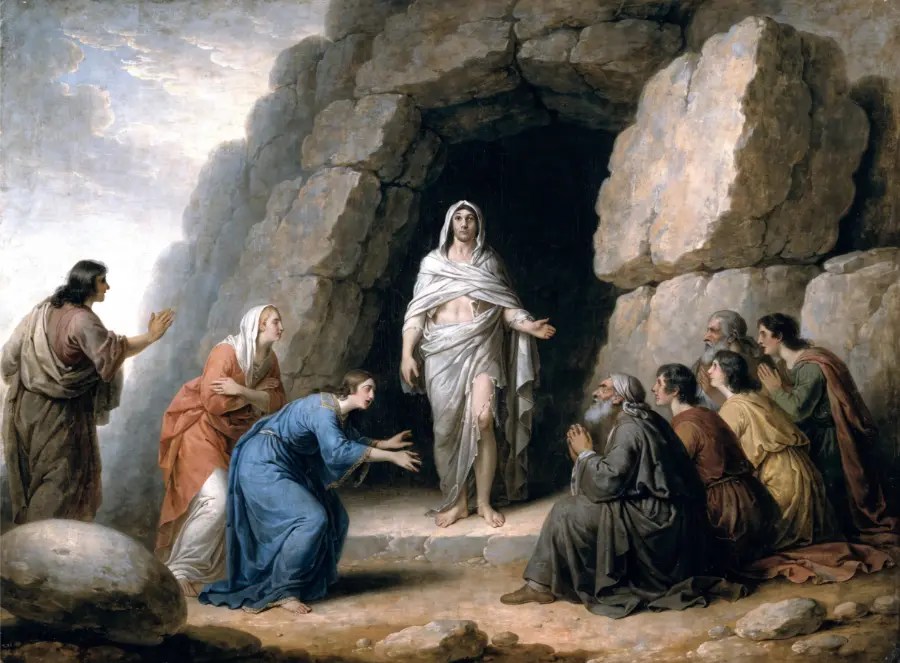
Bereikte Noach de hemel? Een bijbels onderzoek


  • Noah, according to the Bible, lived a life of righteousness and blamelessness.
  • His faithfulness to God and commitment to walking in His ways were evident in his actions.
  • Noah's most notable action was building the ark as commanded by God.
  • His unwavering faith and trust in God set him apart and was a testament to his righteousness.
  • Although the Bible does not explicitly state whether Noah went to heaven, his righteousness and favor with God suggest that possibility.

Brief overview of Noah’s story in biblical texts

Noah’s story is found in the biblical texts, specifically in the book of Genesis. According to the texts, Noah was a righteous and obedient man who found favor in the eyes of God. He was chosen to build an ark to save his family and pairs of animals from a great flood that would destroy the earth. Noah followed God’s instructions in constructing the huge vessel, and when the flood came, they were safely preserved in the ark. After the flood waters receded, God made a covenant with Noah, promising to never again destroy the earth with a flood, symbolized by the appearance of a rainbow.

The significance of Noah’s obedience is evident in his unwavering faith and commitment to following God’s will, even in the face of ridicule and disbelief from others. The story of Noah and the ark is rich in symbolism, including the ark representing God’s saving grace and the rainbow symbolizing God’s covenant and promise. Key events and elements of the story include the building of the ark, the flood, and the covenant with God.

The main themes of Noah’s story include obedience, faith, and God’s sovereignty. The lessons to be learned from this story emphasize the importance of trust and obedience to God and the reassurance of God’s enduring love and faithfulness.

Interpretations of Noah’s fate

Zoals afgebeeld in de bijbelse tekst en de historische context, is het lot van Noach voor verschillende interpretaties vatbaar geweest. Volgens het bijbelse verhaal in het boek Genesis werd Noach door God uitgekozen om een ark te bouwen en zijn familie en een paar van elke diersoort te redden van een grote vloed. Nadat het vloedwater was gezakt, verlieten Noach en zijn familie de ark en bevolkten ze de aarde opnieuw.

Some interpretations suggest that Noah’s fate was predetermined by divine intervention, as a reward for his righteousness and obedience to God. Others argue that Noah’s fate resulted from his actions and choices, and that his departure from the ark marked a new beginning for humanity.

Historical context also offers different perspectives on Noah’s fate, with some scholars viewing the story as a metaphor for the survival of a righteous few amidst a corrupt society. Others see it as a symbol of renewal and rebirth.

the interpretations of Noah’s fate vary based on one’s religious beliefs and scholarly analysis of the biblical text and historical context. Regardless of perspective, the story of Noah continues to spark debate and reflection on the nature of fate and the role of divine intervention in human destiny.

Verschillende perspectieven over de vraag of Noach al dan niet naar de hemel ging

Er zijn verschillende perspectieven over de vraag of Noach naar de hemel ging, waarbij theologen en geleerden uiteenlopende interpretaties en overtuigingen aanbieden. Genesis 6:9 beschrijft Noach als rechtvaardig, maar de Bijbel stelt niet expliciet of hij naar de hemel ging. Sommigen geloven dat zijn rechtvaardigheid hem toegang tot de hemel zou hebben verleend. Anderen beweren daarentegen dat zijn trouw tijdens zijn leven niet noodzakelijkerwijs gelijk staat aan een gegarandeerde plaats in de hemel.

The uncertainties surrounding Noah’s final destination have given rise to different interpretations within Christian denominations. Some believe that Noah’s righteousness and walk with God indicate his salvation, while others suggest that his actions may not necessarily secure him a place in heaven. Different denominations interpret the concept of righteousness differently, leading to diverse beliefs about Noah’s ultimate fate.

of Noach naar de hemel ging blijft debatteerbaar, waarbij individuen en denominaties verschillende perspectieven hanteren. De complexiteit van rechtvaardigheid en redding laat ruimte voor onzekerheid en uiteenlopende overtuigingen.

Debates among religious scholars On Noah’s Fate

The debates among religious scholars on Noah’s fate revolve around different interpretations of his story and beliefs about his afterlife. Some scholars argue that Noah lived the rest of his days on Earth after the flood, while others believe he was taken directly to heaven.

Eén interpretatie suggereert dat Noach het eeuwige leven kreeg en na de vloed op aarde bleef leven, om uiteindelijk een natuurlijke dood te sterven. Anderen stellen voor dat Noach direct na de vloed naar de hemel of een soortgelijk hiernamaals werd geleid.

Religieuze geleerden, theologen en experts uit verschillende geloofstradities hebben deze uiteenlopende standpunten intensief bediscussieerd. Argumenten worden aangevoerd op basis van religieuze teksten, interpretaties van oude geschriften en theologische overtuigingen rondom het lot van Noach.

Hoewel religieuze geleerden geen consensus hebben over het uiteindelijke lot van Noach, blijven de debatten kritieke onderwerpen binnen verschillende geloofsgemeenschappen.

Scriptural Evidence Of Noah’s Fate

Scriptural evidence supports the idea that Noah’s fate involved going to “the Highest Heavens” and returning. The Epic of Gilgamesh and Noah’s bijbels verslag van overgrootvader Henoch verslag tonen dit geloof aan. In het Gilgamesj-epos krijgt Utnapisjtim, het equivalent van Noach in het vloedverhaal, onsterfelijkheid en wordt hij meegenomen om bij de goden in de hemel te wonen nadat hij de grote vloed heeft overleefd. Henoch, de overgrootvader van Noach, werd in het bijbelse verslag naar de hemel gehaald zonder de dood te ervaren.

This belief is further supported by the biblical account of Noah, where it is mentioned that he “walked faithfully with God” and that “Noah found favor in the eyes of the Lord.” This suggests that Noah’s fate transcended mere survival and involved a spiritual significance. Additionally, God makes a covenant with Noah after the flood, symbolizing a new beginning and spiritual elevation. All these scriptural evidence suggest that Noah’s fate may have involved survival and the experience of going to heaven in some form.

Onderzoek van relevante bijbelverzen (2 Petrus 2:5, 2 Petrus 3:20)

Bij het onderzoeken van het concept van tijdreizen in de Bijbel, worden twee relevante verzen gevonden in 2 Petrus 3:8 en 2 Petrus 3:20.

2 Peter 3:8 states, “But do not overlook this one fact, beloved, that with the Lord one day is as a thousand years, and a thousand years as one day.” This verse highlights the timelessness and sovereignty of God, indicating that time operates differently for Him than it does for humans.

2 Peter 3:20 says, “But do not overlook this one fact, beloved, that with the Lord one day is as a thousand years, and a thousand years as one day.” This verse further emphasizes the divine perspective of time, suggesting that the same limitations and linear progression of time as humanity do not bind God.

The significance of these verses about the concept of time travel lies in the understanding that time is ultimately under God’s control. The concept of time travel, which involves moving backward or forward in time, is beyond human understanding and capability. These verses emphasize the divine nature of time and the limitations of human comprehension, underscoring the futility of attempting to manipulate time. Therefore, from a biblical perspective, the idea of time travel is incongruent with the divine order of time as revealed in these verses.

Conclusie

the biblical story of Noah and the flood holds great significance about the concept of time and the warnings for modern people in the New Testament. The story of the flood serves as a reminder of the consequences of ignoring warnings and living in disobedience to God’s will. This is reflected in the New Testament where Jesus and other biblical figures warn about the impending judgment and the need for repentance.

The evidence from the Younger Dryas climate catastrophe supports the idea of a catastrophic flood in ancient times, highlighting the real-life implications of such a global event. Additionally, the period between Adam and the flood in Genesis shows the gradual departure from God’s will and the increase in wickedness, leading to the necessity of the flood.

the story of Noah and the flood warns modern people to heed the signs of judgment and turn back to a righteous life. It emphasizes the importance of obedience and faithfulness in God’s eyes.


Ontdek meer van Christian Pure

Abonneer je nu om meer te lezen en toegang te krijgen tot het volledige archief.

Lees verder

Delen via...