Charlotte não está na Bíblia — e não significa “livre”

  • Charlotte não está na Bíblia. É o feminino francês de Charles, do germânico Karl, de uma raiz que significa “homem” — possivelmente de um elemento que significa “exército”.
  • A glosa comum “mulher livre” é um sentido medieval posterior, quando Karl passou a significar um homem livre em vez de um servo. Não é a raiz original.
  • O nome espalhou-se pela Europa com Carlos Magno, rei dos Francos.
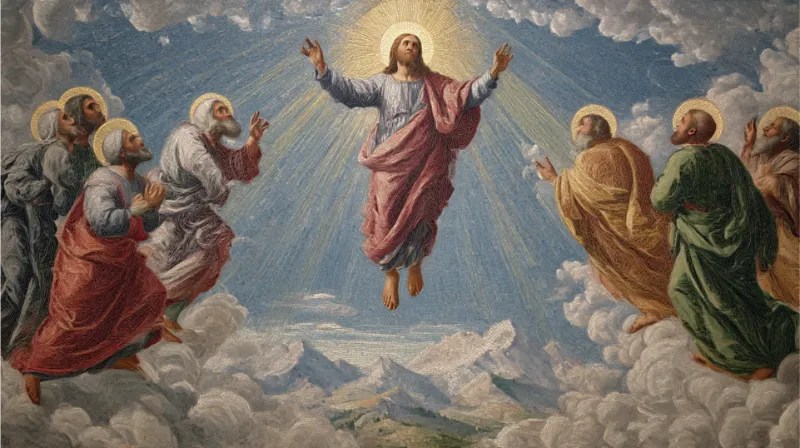
  • “Homem” é a palavra em que o Evangelho se baseia: Deus não nos resgatou por sermos humanos, Ele assumiu a humanidade e não a abandonou.
  • Gálatas 5:1 dá forma à liberdade — “Foi para a liberdade que Cristo nos libertou” — com um aviso sobre não voltar a colocar o jugo.

Charlotte is not in the Bible. It is the French feminine of Charles, and Charles comes from the Germanic Karl — a word that meant, quite simply, man. We should pause on that, dear friends, because a great many pages will tell us the name means “free woman,” and the freedom is a later gloss rather than the root. The honest meaning is humbler and, I think, lovelier: one of us. A human being. And the whole Gospel turns on…

Continue reading with a subscription

Get unlimited access to all our premium content and exclusive features.

Enjoy unlimited access, cancel anytime.


Respostas

Deixe uma resposta

Discover more from Christian Pure

Subscribe now to keep reading and get access to the full archive.

Continue reading

Share to...