
 Russian
 English
 Chinese
 Dutch
 Arabic
 Spanish
 Portuguese
 French
 Italian
 German
 Japanese
Yes. Paul, himself unmarried, wished that everyone were as he was, then wrote that “each has his own gift from God, one of one kind and one of another” (1 Corinthians 7:7). Jesus said that a life without marriage can be accepted only by “those to whom it is given” (Matthew 19:11).
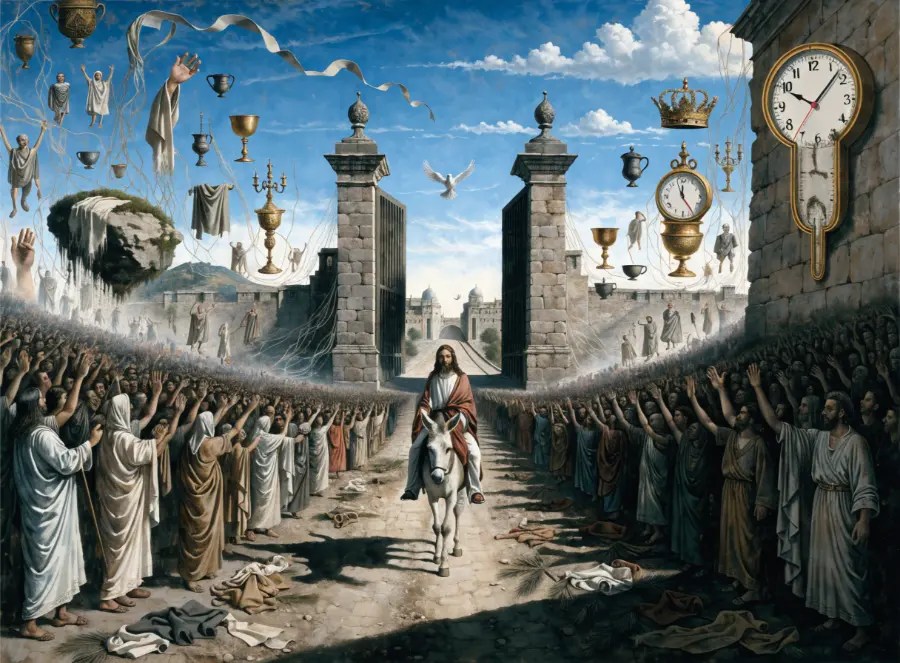
What did Paul mean by “his own gift”?
Paul was answering a letter from the church in Corinth, which had put to him the saying “It is good for a man not to have sexual relations with a woman” (1 Corinthians 7:1). Paul did not make it a rule for everyone. To avoid sexual immorality, he told them, husbands and wives should each have their own spouse (7:2). Only after that does he state his own preference and speak of each person’s gift. He advised the unmarried and widows to stay single as he was, but added that “if they cannot exercise self-control, they should marry” (7:9).
The Greek word for gift in 1 Corinthians 7:7 is харизма, the word Paul uses for the gifts of the Spirit: “there are varieties of gifts, but the same Spirit” (1 Corinthians 12:4). Thayer’s Greek lexicon takes the gift in 7:7 to be “the natural gift of continence, due to the grace of God as creator.” Paul does not say what the other kind of gift is. The Catechism of the Catholic Church treats both states as gifts, saying that marriage and consecrated virginity alike “come from the Lord himself” (Catechism 1620).
Paul gives his reasons later in the chapter. He wanted his readers “free from anxieties,” and he says an unmarried person can give attention to “the things of the Lord” while a married person’s “interests are divided” (1 Corinthians 7:32–34). He says he is not trying to “lay any restraint” on them (7:35). He compares Одиночество и брак at more length in the same chapter.
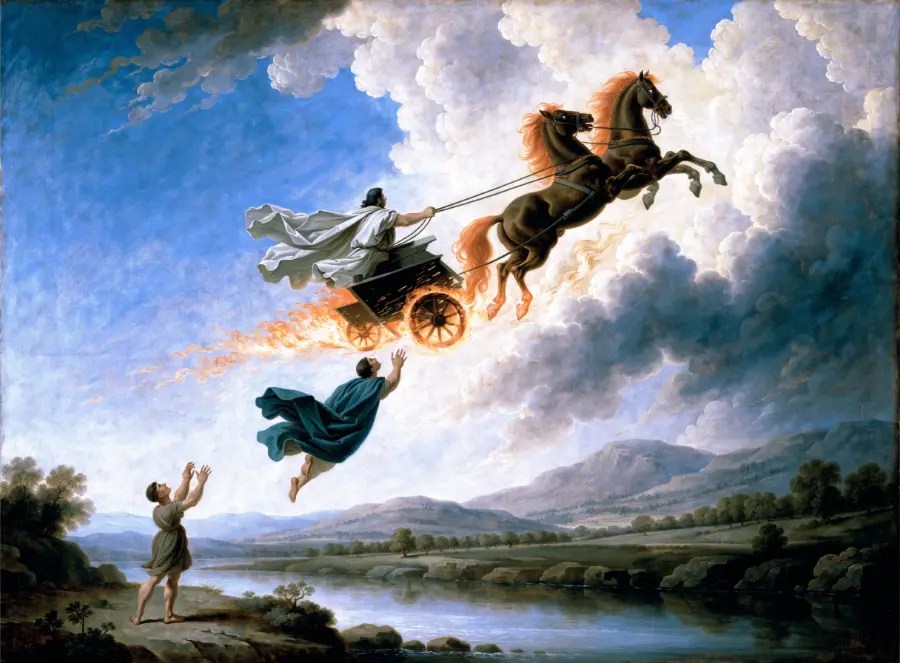
Did Jesus call singleness a gift?
He spoke of it after his teaching on divorce and remarriage (Matthew 19:3–9). The disciples concluded that “it is better not to marry,” and Jesus answered, “Not everyone can receive this saying.” He went on to describe three kinds of eunuchs: those born so, those made so by others, and those who have chosen that life “for the sake of the kingdom of heaven” (Matthew 19:10–12). The Catechism reads the last group as Christ’s invitation to “certain persons” to follow him without marrying, a way of life “of which he remains the model” (Catechism 1618).
No Gospel mentions a wife of Jesus. He said that marriage belongs to the present age: “those who are considered worthy to attain to that age and to the resurrection from the dead neither marry nor are given in marriage” (Luke 20:35).
Does every single person have the gift?
Scripture does not say so. Paul’s advice that those who lack self-control should marry assumes that some unmarried people do not have it (1 Corinthians 7:9). The churches have drawn different conclusions from this. The Lutheran Augsburg Confession (1530) cited Matthew 19:11 to argue that “not all men are fit to lead a single life” and that no one can change the way God made human beings “without a singular gift and work of God” (Article 23). The article uses this argument to defend the marriage of priests.
The Council of Trent took the opposite view. In its 1563 canons on marriage it condemned the claim that clergy and members of religious orders who have vowed chastity may marry if they “do not feel that they have the gift of chastity,” giving as its reason that “God refuses not that gift to those who ask for it rightly” (canon 9). Catholic canon law still calls the celibacy required of clerics “a special gift of God” (canon 277). In the Orthodox Church, parish priests are usually married men, who must marry before ordination, while bishops must be unmarried, according to the Orthodox Church in America.
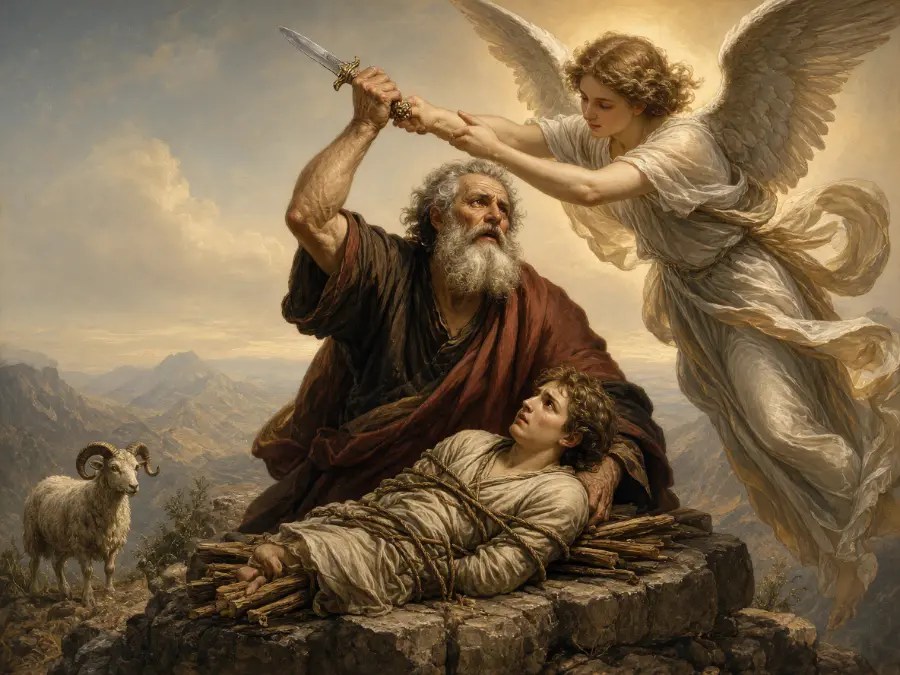
Is it a sin to marry?
No. Paul told the unmarried, “if you do marry, you have not sinned” (1 Corinthians 7:28), and of a man and the woman he was engaged to, “let them marry—it is no sin” (7:36). A widow, he wrote, “is free to be married to whom she wishes, only in the Lord” (7:39). In Genesis, before the woman is created, God says, “It is not good that the man should be alone” (Genesis 2:18). The First Letter to Timothy counts it among the marks of false teachers that they “forbid marriage” (1 Timothy 4:3), and Hebrews says that marriage should be “held in honor” (Hebrews 13:4).
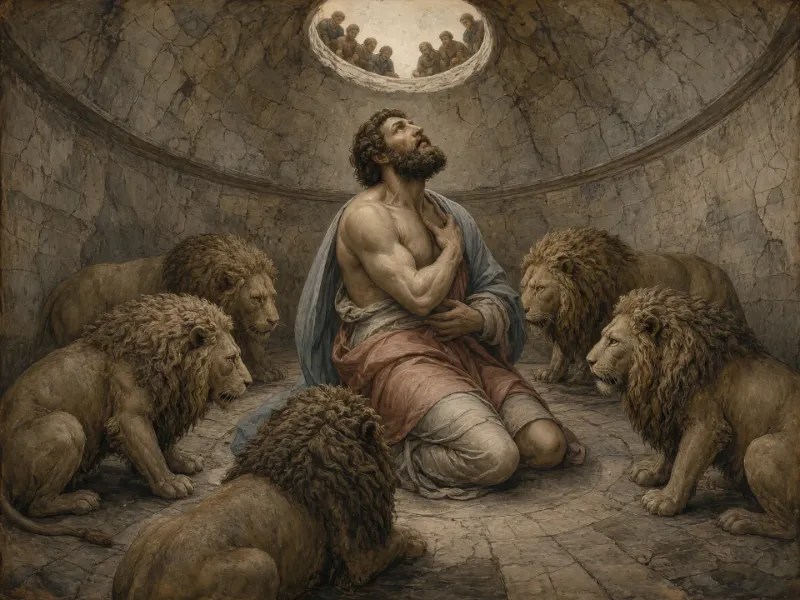
Single people in Scripture
Several people in the Bible served God without a spouse. The prophet Jeremiah was commanded not to marry or have children “in this place,” because the children born there would “die of deadly diseases” (Jeremiah 16:2–4). Isaiah promised eunuchs who hold fast to God’s covenant “a monument and a name better than sons and daughters” (Isaiah 56:4–5). In Luke’s Gospel, Anna, a prophetess who had been widowed after seven years of marriage, “did not depart from the temple, worshiping with fasting and prayer night and day” (Luke 2:36–37). Philip the evangelist “had four unmarried daughters, who prophesied” (Acts 21:9). Paul was single when he wrote to Corinth (1 Corinthians 7:8), while Peter and other apostles took their wives with them on their travels (1 Corinthians 9:5).
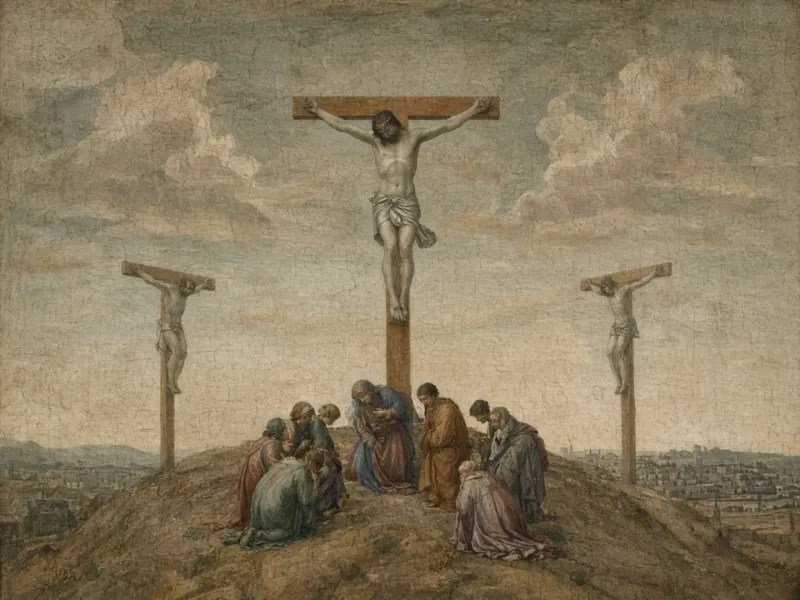
What does the Bible say to single people about loneliness?
Scripture makes no promise of marriage to single people. It does speak of God providing a household: “God settles the solitary in a home” (Psalm 68:6). Jesus told his disciples that anyone who has left “house or brothers or sisters or mother or father or children or lands” for his sake will receive “a hundredfold now in this time, houses and brothers and sisters and mothers and children and lands, with persecutions, and in the age to come eternal life” (Mark 10:29–30). Of single people the Catechism says that the doors of Christian homes and of the Church “must be open to all of them,” and it quotes Pope John Paul II: “No one is without a family in this world: the Church is a home and family for everyone” (Catechism 1658).
Paul’s words “I have learned, in whatever situation I am, to be content” (Philippians 4:11) concern hunger and plenty, “abundance and need,” rather than marriage (Philippians 4:12).



Добавить комментарий