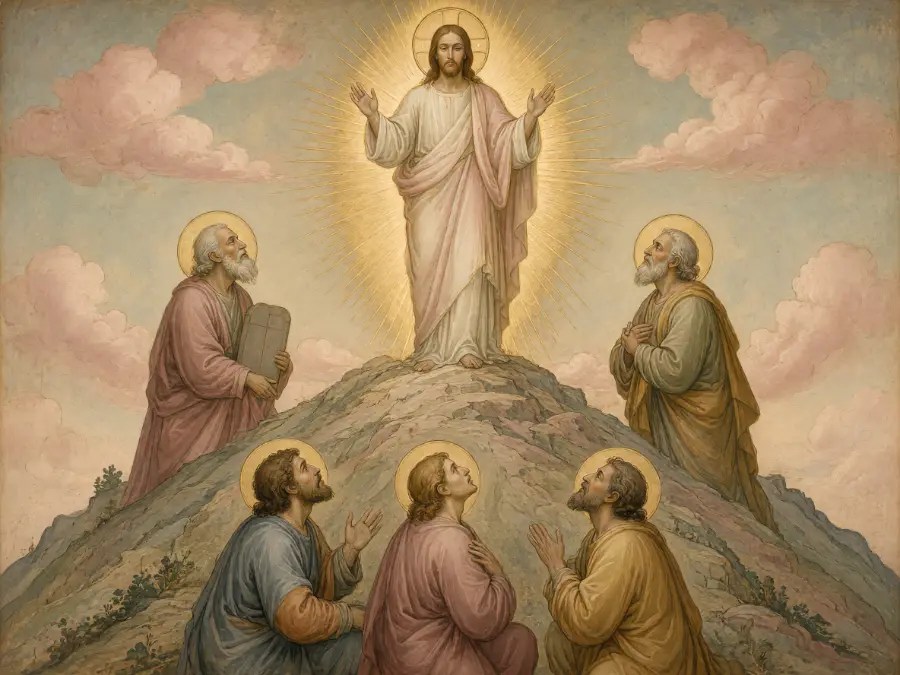
"但是上帝,因他爱我们的大爱而富有,即使我们死在我们的过犯中,使我们与基督一起活着--因恩典你得救了"(以弗所书2:4-5)。

What is the biblical definition of God’s grace?
在神学方面,上帝的恩典从根本上被理解为给予人类的无能的恩惠。 这种神圣的仁慈不是可以通过作品或个人价值来获得的东西。 相反,它是由上帝自由地给予作为他无限的表达。 爱与同情. 圣经恩典的基础可以在各种经文中观察到,也许在以弗所书2:8-9中发现的最深刻的封装,其中指出,"因为恩典你通过信心得救了。 这不是你自己的所作所为。 这是上帝的恩赐,而不是工作的结果,所以没有人可以吹嘘。" 这段经文强调了恩典作为神圣恩赐的本质,与人类的努力或价值无关。
恩典的概念超越了单纯的救赎,渗透到信徒生活的方方面面。 在新约中,使徒保罗经常提到上帝的恩典的持续力量,如哥林多前书12:9所见,他叙述了基督对他的话,"我的恩典对你来说足够了,因为我的能力在软弱中变得完美。 精神 旅程.
恩典也被描绘成变革性的,有能力改变人心的本质。 在提多書2:11-12中,寫道:"因為上帝的恩典顯現了,為所有人提供救恩。 它教导我们对不敬虔和世俗的激情说『不』,在这个时代过着自我控制、正直和敬虔的生活。" 在这里,恩典被描绘成道德和道德发展的积极力量,引导信徒走向反映上帝自身圣洁的生活。
在神学上,恩典与称义的概念密切相关 - 上帝在信仰的基础上宣布罪人是公义的行为。 ,在基督徒群体中培养归属感和接纳感。. 唯有恩典的称义,仅靠信心,是基督教教义的基石,它断言人类不能靠自己的努力实现公义,而是完全依赖上帝通过基督赎罪的恩惠供给。
让我们来总结一下:
- 神的恩典是无愧的恩惠,是自由给予的,而不是通过工作获得的。
- 关键的圣经参考: 以弗所书2:8-9--恩典是上帝赐予救恩的礼物。
- Grace sustains and empowers believers, as seen in 2 Corinthians 12:9.
- Grace is transformative, guiding believers towards godliness (Titus 2:11-12).
- Grace is central to the doctrine of justification by faith in Jesus Christ.

How is God’s mercy described in the Bible?
深入研究圣经对上帝怜悯的描绘,我们遇到了一个深刻而普遍的主题,贯穿旧的和普遍的主题。 新约 新约, 塑造神与人类关系的叙述。 从希伯来语单词 hesed 在旧约中,经常翻译为"慈爱"或"坚定的爱",用希腊语。 eleos 在新约中,意思是"怜悯"或"怜悯",经文丰富地描述了上帝怜悯的多面性。 正是通过这些语言根源,我们才能辨别出一种积极、持久和根深蒂固的慈悲形象。
在 旧约, 上帝的怜悯一再被描绘为他本性的基本方面。 例如,在出埃及记34:6-7中,真主向摩西启示自己,说:"主--耶和华--上帝,是仁慈的、仁慈的、慈悲的、丰盛的善意和真理,为千人慈悲,宽恕罪孽,宽恕罪过失和罪过。 同样,诗篇充满了赞美上帝持久的怜悯,如诗篇136所示,每节经文都以不言而喻结尾,"因为他的慈爱永远存在。
新约继续并扩大了这个主题,特别是通过耶稣基督的教导和行动。 马太福音5章7节说:"仁慈的人是有福的,因为他们必得怜悯",这凸显了信徒生活中慈悲的对等性质。 此外,耶稣的比喻,如浪子的比喻(路加福音15:11-32)和好撒玛利亚人的比喻(路加福音10:25-37)生动地说明了上帝的无限怜悯,并鼓励信徒反映这一点。 divine attribute 在他们的生活中。 上帝的怜悯的最终表现在耶稣在十字架上的救赎工作中找到,正如以弗所书2:4-5所阐明的那样: 惟有慈悲的神,因他爱我们的大爱,即使我们死在罪中,也使我们与基督一同加速,(因恩典你们得救)。
让我们来总结一下:
- 旧约中上帝的怜悯是通过概念来表达的。 hesed, indicating loving-kindness and steadfast love.
- 关键的旧约经文,如出埃及记34:6-7和诗篇136强调上帝的怜悯是持久的和约定的。
- 新约圣经通过耶稣基督的教导和行动来强化和扩大这种理解。
- 諸如浪子和好撒瑪利亞人的比喻,是神慈愛的本質的有力見證。
- 神圣怜悯的最终表现在基督在耶稣十字架上的牺牲行为中看到。

What are the key differences between grace and mercy?
"恩典"和"怜悯"这两个术语通常在宗教背景下互换使用,但它们包含不同的神学概念,这是理解宗教的基本概念。 神圣 自然 神与人类的互动。 为了欣赏恩典和怜悯之间的细微差别,我们必须深入研究它们通过经文和神学话语揭示的独特定义和含义。
在其核心, 2025年8月4日 refers to the unmerited favor and kindness of God bestowed upon humanity. In many scriptural passages, such as Ephesians 2:8-9, grace is depicted as the free and generous gift that leads to salvation, extended to us not because of our deeds, but because of God’s profound love and desire for a reconciled relationship with His creation. Grace is transformative, enabling believers to live in accordance with 上帝 的 旨意, 使他們有能力克服罪惡,並賦予他們在精神和道德上成長的堅毅力。 它深刻地表達了上帝的仁慈,延長祝福和永生的應許。
In contrast, mercy 上帝慈悲地拒绝人类因罪而应得的惩罚或审判。 慈悲包括减轻我们的道德失败所带来的痛苦和后果。 正如哀3:22-23所说,"由于耶和华的大爱,我们没有被消耗,因为他的怜悯永不失败。 每天早上都是新的。 慈悲强调上帝愿意宽恕和对人类脆弱和悔改的心的同情反应。 可见于 神圣 的 意愿 清潔過犯和寬恕,說明他的忍耐和克制。
虽然恩典和怜悯都表现在上帝的救赎计划中,但它们的独特之处在于他们的应用: 恩典是我们不配得的祝福的礼物。 怜悯是我们应得的赦免。 这些属性的相互作用是核心。 基督 信仰, 反映了上帝爱的丰满性,以及他与我们关系的多面性。
让我们来总结一下:
- Grace: 不值得的恩惠,免费的礼物导致救赎,为正义的生活赋权。
- 怜悯: 慈悲地扣留应得的惩罚,赦免罪孽,减轻痛苦。
- 恩典赐福和永生的应许,怜悯提供宽恕和从审判中解脱。
- Both grace and mercy together illustrate the depth and complexity of God’s love and His redemptive plan for humanity.

How do grace and mercy relate to salvation?
The relationship between grace and mercy and the concept of salvation is central to Christian theology, forming the bedrock upon which the understanding of God’s intervention in human history is built. Grace, in its purest form, is described as the unmerited favor of God, a free gift bestowed upon humanity not because of any intrinsic worth or merit, but because of God’s boundless love and benevolence. This divine grace is most powerfully manifested in the sacrificial death and resurrection of Jesus Christ, who, according to Christian belief, 自己承担了世上的罪孽,为所有相信的人提供永生。 在真主的眼中,信士们是因恩惠而称义的,或称义的。
Mercy, on the other hand, is God’s compassionate withholding of the punishment that humanity rightfully deserves due to sin. While grace bestows blessings and 新 生活, mercy shields and redeems from the consequences that justice demands. Throughout the Bible, God’s mercy is depicted as a divine willingness to forgive, a dynamic that invites repentance and transformation. The prophet Micah captures this beautifully: “He does not retain His anger forever, because He delights in mercy” (Micah 7:18). Thus, mercy is integral to salvation as it assures believers that despite their failures and shortcomings, God’s forgiveness and compassion are ever-present.
The interplay of grace and mercy finds its fullest expression in the process of salvation. Ephesians 2:4-5 encapsulates this relationship powerfully: “But God, who is rich in mercy, because of His great love with which He loved us, even when we were dead in trespasses, made us alive together with Christ (by grace you have been saved).” Here, the apostle Paul highlights that it is God’s mercy that leads to the enactment of grace, culminating in the gift of salvation. Grace restores what sin has broken, while mercy ensures that the penalty of sin does not bring ultimate destruction. Together, they articulate a comprehensive understanding of salvation, providing both the means and the assurance of 永生.
总之,恩典和怜悯在救赎背景下的神学关系强调:
- Grace as the unmerited favor of God, manifested through Christ’s sacrifice.
- 怜悯是仁慈的,拒绝应得的惩罚,使宽恕。
- 恩典和怜悯在恢复人类和提供永恒生命的互补作用。
- 他们相互作用的经文基础,如以弗所书2:4-5所示。

How do grace and mercy work together in a believer’s life?
在考虑相互影响时 神圣 恩典 and mercy in the life of a believer, it becomes evident that these two principles, though distinct, operate in a harmonious and symbiotic manner to support spiritual growth and human flourishing. Grace, in its essence, signifies the unmerited favor of God bestowed upon individuals, empowering them to live righteous lives and to seek salvation. Mercy, on the other hand, represents the compassionate clemency of God in sparing individuals from the full consequences of their sinful nature.
In practical terms, theologians assert that grace equips believers with the strength to overcome sin and to follow the teachings of Christ, thereby transforming their hearts and minds. Mercy, meanwhile, offers the reassurance of forgiveness and the opportunity for repentance when believers falter. This dynamic relationship creates a cycle of renewal and spiritual resilience: grace compels a believer towards repentance and righteous living, while mercy provides the means for healing and redemption when they fail.
Consider the 变革 力量 of prayer, a conduit through which believers regularly encounter both grace and mercy. According to “The Life of Prayer,” prayer is not merely a ritual but a profound interaction with the divine, allowing one to receive God’s grace to persist in faith and acknowledge His mercy in moments of failure. This idea finds its roots in scriptural narratives where individuals who earnestly sought God through prayer were graced with divine favor and mercifully pardoned for their transgressions.
圣礼,特别是忏悔与和解的圣事,体现了恩典和怜悯的交集。 在这里,忏悔者通过赦免体验上帝的怜悯,并接受恩典来争取忏悔后更神圣的生活。 这个圣事强调了持续需要恩典来维持一个人的精神旅程和怜悯的永久可用性来恢复它。
Moreover, in the daily life of a believer, grace and mercy encapsulate the essence of divine support 和饶恕。 在承认我们对优美的使命时,正是通过恩典,我们才被召唤并被赋予按照上帝的旨意生活的能力,并且通过怜悯,尽管我们的不完美,我们还是得以维持和提升。 集体,恩典和怜悯反映了上帝的无限的爱和仁慈,共同努力使信徒的灵性道路成圣和巩固。
摘要:
- 恩典是神无愧的恩惠,使信徒能够跟随基督。
- 慈悲是神的慈悲宽恕,使信徒免于罪的全部后果。
- Grace and mercy create a cycle of renewal and resilience, driving repentance and enabling forgiveness.
- Prayer and sacraments exemplify the integration of grace and mercy in believers’ lives.
- Grace and mercy collectively reflect God’s love, working to sanctify and fortify spiritual growth.

What is the Catholic Church’s stance on God’s Grace and Mercy?
这些 天主教会, steeped in a rich tradition of theological reflection and scriptural interpretation, holds a profound understanding of God’s grace and mercy. These two elements are seen as integral to the divine plan of salvation and the believer’s spiritual journey. According to Catholic teaching, grace is the free and unmerited favor of God, given primarily through the sacraments, which empower believers to live in accordance with God’s will. Drawing from key scriptural passages and the wisdom of the Church Fathers, grace is viewed as both sanctifying and actual. Sanctifying grace makes the soul holy and pleasing to God, while actual grace refers to God’s interventions at various moments to support the acts that lead to salvation.
The notion of God’s mercy, on the other hand, is understood as His loving compassion towards humanity, particularly in its sinful state. This compassion is vividly illustrated through the Sacrament of Penance and Reconciliation, where the faithful are absolved of their sins by a priest, symbolizing the unending mercy of God who is always ready to forgive. In the Catholic tradition, God’s mercy is neither passive nor indifferent but is an active force that seeks to restore broken relationships, heal wounds, and invite sinners back to a life of grace and communion with God.
These teachings are rooted firmly in the Catechism of the Catholic Church, which elaborates extensively on how grace and mercy are dispensed. For instance, the magisterial documents such as “God’s Salvation: Law and Grace” and “The Dignity of the Human Person” emphasize that living a moral life and fulfilling one’s vocation to beatitude is made possible through the interplay of grace and mercy. Contemporary Roman Catholic theology also reflects on the role of the 最后,洗礼的群体层面不应被忽视。在信仰群体面前受洗可以巩固社会纽带并提供心理支持,强化个人对信心的委身。这种集体经历可以满足人类对连接的需求,减少孤独感并增强情感健康。 in dispensing grace and actualizing mercy in the life of believers.
In essence, the Catholic Church views God’s grace and mercy as intertwined gifts that sustain believers on their spiritual journey, guiding them toward their ultimate union with God. Through the sacraments, particularly Baptism and the Eucharist, Catholics receive sanctifying grace, while God’s mercy is constantly made manifest through acts of forgiveness and reconciliation. The Church’s emphasis on these divine gifts underscores their importance in the collective and individual experiences of the faithful.
让我们来总结一下:
- Grace is viewed as the free and unmerited favor of God, provided through the sacraments.
- Sanctifying grace makes the soul holy, while actual grace supports acts leading to salvation.
- 上帝的怜悯是他对人类罪恶的同情反应,在忏悔与和解的圣事中生动地经历。
- The teachings are deeply rooted in the Catechism and highlighted in key magisterial documents.
- li <>Grace and mercy work together to sustain believers on their spiritual journey toward union with God.

What is the psychological interpretation of God’s Grace and Mercy?
在深入研究上帝的恩典和慈悲的心理解释时,必须考虑这些概念对人类心灵的深刻影响。 像卡尔·荣格这样的神学家和心理学家探索了神圣的相遇和心理转变之间的错综复杂的关系,强调上帝的经历可能是压倒性的,灌输了恐惧感和个人变形的途径。 荣格的分析 圣经叙事, 如约伯的故事,生动地说明了这一点。 约伯的清白和虔诚受到上帝压倒性力量的考验,导致一系列谦卑的经历,最终为更深入地理解神圣的恩典和怜悯铺平了道路,作为变革性苦难的一部分。
From a psychological perspective, grace can be seen as the unconditional, benevolent intervention of the divine in human affairs, akin to an unexpected windfall that brings psychological relief and a renewed sense of purpose. Conversely, mercy could be interpreted as the alleviation of deserved suffering, wherein the individual is spared from the full weight of their transgressions, thereby fostering a sense of unearned compassion and ongoing hope.
这种经历不仅仅是抽象的神学结构,而且可以对人类行为和情感幸福产生切实的影响。 遇到神圣的恩典和怜悯往往导致个人道德和道德标准的提升,促使更大的同情和利他主义。 此外,这些经验可以导致身份的深刻变化,因为个体的自我概念与属性保持一致。 神圣的爱 and forgiveness, ultimately contributing to personal growth and spiritual development.
将这个概念与现代心理学理论联系起来,这些经验可能被定义为自我超越和高峰体验,其中个体报告与神圣的高度统一感。 这些时刻可以导致一个人对生活的看法产生持久的积极变化,其特点是提高同情心,减少敌意,并在逆境中增强韧性。
让我们来总结一下:
- 对恩典和怜悯的心理解释涉及对个人心灵的变革影响。
- Carl Jung的分析说明了神圣的相遇如何导致深刻的个人变形。
- Grace is viewed as an unconditional divine intervention providing psychological relief.
- Mercy is seen as the alleviation of deserved suffering, fostering compassion and hope.
- Such experiences elevate moral and ethical standards, leading to greater empathy and altruism.
- Modern psychological theories align these experiences with self-transcendence and peak experiences.
- Encounters with divine grace and mercy result in lasting positive changes in identity and resilience.

How do theologians differentiate between grace and mercy?
神学家正在努力解决恩典和怜悯等神圣属性的细微差别,经常借鉴圣经文本,教会教义和神学传统来描述它们的意义和在人类经验中的应用意义。 恩典,在神学术语中,从根本上被理解为上帝赐予人类的无情的恩惠或仁慈。 这不是应得或应得的东西,而是出于上帝无限的爱和慷慨而自由地给予的。 通过恩典,个人找到了赋权和转变,因为它使他们能够过一种符合上帝的旨意的生活,参与神圣的本性,并获得救恩。 圣奥古斯丁 famously noted that grace is instrumental in the process of justification, sanctification, and eventual glorification of believers.
相比之下,怜悯以上帝对人类的怜悯和宽恕为中心,特别是在罪和苦难的背景下。 它涉及拒绝公正的惩罚和减轻罪的后果。 恩典是指在没有功劳的情况下给予祝福,怜悯是关于避免个人理应得的惩罚。 托马斯·阿奎那(Thomas Aquinas)将怜悯描述为一种美德,它允许上帝明智地表现出宽恕,从而促进他的子民之间的悔改和和解。 慈悲反映了上帝对人类脆弱和不完美的反应,提供希望和恢复而不是审判。
虽然恩典和怜悯都来自上帝的慈爱本性,但它们以不同而又互补的方式运作。 恩典提升和赋权到正义和与神圣的共融,而怜悯修补和恢复罪恶和道德失败的破坏。 他们一起编织了一幅神圣互动的挂毯,支撑着救赎和救赎的整个叙事。 例如,浪子的比喻完美地概括了这两个原则 - 父亲宽恕任性的儿子的仁慈行为和优雅的恢复,因为他被欢迎回到家庭没有责备。
在神学上,恩典和怜悯的差异和相互依存性对于理解神的性格及其与人类关系的动态至关重要。 恩典常常與聖靈在信徒內的活動聯繫在一起,促進靈性成長,恩賜和美德,而慈悲則與和解的聖事密切相關。 赦免罪.
让我们来总结一下:
- Grace is the unmerited favor of God, given freely to empower and transform.
- 慈悲涉及上帝的怜悯和宽恕,使人免于应得的审判。
- 恩典和怜悯都源于上帝的爱,但在救赎和成圣中扮演着不同的角色。
- The Parable of the Prodigal Son illustrates the interplay of grace and mercy.
- Grace is linked to spiritual empowerment, while mercy is connected to forgiveness and reconciliation.

What stories in the Bible best illustrate God’s mercy?
深深植根于圣经叙事,上帝的怜悯的概念通过跨越旧约和新约的许多故事来说明,每个故事都提供了对神圣无限同情心的深刻见解。 最令人回味的故事之一是大卫王的故事,尽管他犯下了严重的罪,包括与巴斯谢巴通奸和她的丈夫乌利亚的安排死亡,在深深的悔改后接受了上帝的怜悯。
In 2 Samuel 12:13, Nathan the prophet confronts David, leading him to acknowledge his sin and seek forgiveness, demonstrating that true repentance can invoke divine mercy. Equally poignant is the parable of the Prodigal Son, found in Luke 15:11-32. This story vividly portrays a father’s merciful acceptance of his wayward son, symbolizing God’s readiness to forgive those who stray but return with a contrite heart.
The son’s journey from rebellion to reconciliation mirrors the spiritual path of many believers, emphasizing that God’s mercy is always within reach for those who seek it with sincerity. Additionally, the narrative of Jonah and the city of Nineveh, detailed in the Book of Jonah, offers a compelling depiction of God’s mercy extended to a repentant people. Despite Jonah’s initial reluctance to deliver God’s warning, the people of Nineveh, from the king to the common citizen, repent for their transgressions, leading God to withhold the planned destruction, thus showcasing the transformative power of collective repentance.
In the New Testament, the act of Jesus forgiving the woman caught in adultery, as recounted in John 8:1-11, further underscores the theme of mercy. Jesus challenges the accusers by asserting that only a sinless person could rightfully cast the first stone, and when none remain to condemn her, He tells the woman to sin no more, thus blending mercy with a call to reform one’s life.
让我们来总结一下:
- 大衛王在通奸和謀殺罪後悔改,展現了神對真正悔恨的赦免(撒母耳記12:13)。
- 浪子比喻强调上帝愿意饶恕和恢复那些带着真诚的心回来的人(路加福音15:11-32)。
- 尼尼微的集体悔改和上帝随后的怜悯表明了共同承认罪的能力(约拿书)。
- Jesus’ interaction with the woman caught in adultery highlights mercy paired with an exhortation to reform (John 8:1-11).

What is the significance of grace and mercy in the teachings of Jesus?
In the teachings of Jesus, grace and mercy are foundational concepts that encapsulate the essence of His message and ministry. Jesus’ parables and actions consistently exemplify these divine qualities, illustrating their profound impact on human relationships and personal transformation. Jesus’ teachings in the Sermon on the Mount, for instance, emphasize mercy through the Beatitudes, declaring, “Blessed are the merciful, for they will be shown mercy” (Matthew 5:7). This beatitude underscores the reciprocal nature of mercy in the divine economy, highlighting that human actions of compassion and forgiveness reflect divine mercy and, in turn, attract God’s merciful response.
Furthermore, Jesus’ parable of the Unforgiving Servant (Matthew 18:21-35) is a poignant illustration of mercy’s divine and human interplay. The king’s initial act of canceling a massive debt symbolizes God’s boundless mercy towards humanity’s sins. However, the servant’s subsequent lack of mercy towards his debtor serves as a stern warning about the necessity of extending mercy to others, reinforcing that divine forgiveness requires a corresponding human disposition of mercy.
Grace, on the other hand, is vividly depicted in Jesus’ interactions with sinners and outcasts. His encounter with the adulterous woman (John 8:1-11) embodies grace, as He extends unmerited favor and compassion, saying, “Neither do I condemn you; go, and from now on sin no more.” This act transcends legalistic judgment, manifesting God’s unconditional love and enabling transformative repentance. Similarly, the parable of the Prodigal Son (Luke 15:11-32) illustrates grace as the father unconditionally welcomes his repentant son, symbolizing God’s eagerness to restore sinners to righteousness through grace.
在耶稣的事工中,宽恕的圣事是恩典和怜悯的关键体现。 通过把自己作为人类罪的牺牲赎罪,耶稣体现了神圣恩典和怜悯的最终行为。 他被钉十字架和复活是这些美德的顶峰,代表着上帝非凡的长度来调和人类自己。
让我们来总结一下:
- 恩典和怜悯是耶稣的教导和行为的核心。
- Sermon on the Mount highlights mercy by promising divine reciprocity.
- Parables like the Unforgiving Servant teach about the necessity of human mercy.
- 恩典是通过耶稣与罪人富有同情心的互动来证明的。
- The Sacrament of Forgiveness is a culmination of grace and mercy.
- The crucifixion and resurrection are profound acts of divine grace and mercy.

Can grace and mercy be experienced by non-believers?
这是一个在神学圈子中经常争论的深刻问题: 恩典和怜悯,传统上被视为神圣的恩赐,可以经历那些不坚持基督教信仰的人吗? 为了解开这个谜团,我们必须深入研究圣经中描述的上帝的恩典和怜悯的本质,并探索他们超越明确信仰的范围的潜在表现。
根据 基督教神学, 恩典被理解为上帝的无奈恩惠,给予人类不是因为任何内在的价值,而仅仅是由于上帝的爱的本性。 另一方面,怜悯是仁慈的拒绝应得的惩罚。 这两个概念都与上帝的基本性格和他与人类的关系交织在一起。
恩典的叙述超越了新约,在旧约中建立了自己,在那里上帝对以色列人表现出恩惠,尽管他们经常不服从。 可以说,上帝的恩典是普遍的,反映了他渴望接触所有人,无论他们的信仰归属如何。 这种普遍性在对共同恩典的解释中得到了呼应 - 一个描述上帝的恩典的神学概念,每个人都可以获得,无论他们的精神地位如何。
Biblical passages such as Matthew 5:45, 耶稣说:"他使他的太阳在邪恶和善上升起,使正义和不义的人下雨",强调上帝的仁慈不是信徒独有的观念。 通过这种理解,非信徒可能会体验到神的恩典和怜悯的祝福、机会和善行。
此外,The 使徒 保罗, 在罗马书2:14-15中,承认没有律法的外邦人固有地按照律法的要求行事,从而表明了他们心中所写下的上帝的律法。 这表明了所有人类内在的内在能力,承认和回应神圣的恩典和怜悯,即使他们不自觉地将这些经验归因于基督教的上帝。
从神学的角度来看,天主教会在其教理学中阐明了存在。prevenient grace它准备并授权个人回应上帝的呼召,甚至在他们达到明确的信心之前。 这意味着非信徒确实能够以超越正式宗教界限的方式遇到上帝的恩典和怜悯。
In sum, the experience of grace and mercy is not confined to those within the Christian fold. Rather, it is a testament to the boundless and inclusive nature of 上帝 的 爱, reaching into every heart and life, inviting all to witness His divine compassion and favor.
让我们来总结一下:
- Grace is the unmerited favor of God, while mercy is the compassionate withholding of deserved punishment.
- 圣经的证据支持上帝的恩典的普遍性,即使是非信徒也能获得。
- Common grace refers to the grace God extends to all humanity, irrespective of faith.
- 像马太福音5:45和罗马书2:14-15这样的经文表明,非信徒可以体验神的恩典和怜悯。
- 『预备恩典』的概念表明,上帝的恩典可以在个人有意识地转向信仰之前采取行动。

How can I apply the concepts of grace and mercy in my daily life?
To apply the concepts of grace and mercy in our daily lives, one must first internalize their meanings and implications within the framework of Christian theology. Grace, understood as the unmerited favor of God, invites us to appreciate blessings and opportunities not as rewards, but as gifts given out of divine love. It manifests in our lives as moments of unexpected kindness, chances for growth, and the very essence of salvation itself. Conversely, mercy, which can be seen as compassion or forgiveness given by God, calls for a response of humility, repentance, and a deep-seated desire to extend the same to others.
Consider, for example, the act of forgiveness in personal relationships. When someone wrongs us, invoking mercy means choosing to pardon them despite our potential justification for anger or retribution. It is a deliberate act of loving-kindness, mirroring the divine mercy that pardons our transgressions. In practice, this might involve letting go of grudges, speaking words of reconciliation, and addressing conflicts with a heart inclined towards restoration rather than retribution.
此外,体现恩典可以反映我们如何与周围的人互动。 通过认识到我们所拥有的一切都是上帝的恩典的结果,我们培养了感恩和谦卑的态度。 這種觀點幫助我們在資源、時間和才能上變得更加慷慨,把幫助他人的每一個機會視為我們分享天主愛的渠道。 它迫使我们以善良,耐心和慷慨行事,将平凡的互动转化为神圣恩典的表达。
Integrating these 神聖原則 也意味着使我们的日常决定和道德标准与基督耶稣的教导保持一致。 在专业环境中,这可能转化为公平,正直和倡导正义。 在社会上,它要求与边缘化者站在一起,反对不公正,并从事服务行为。 在灵性上,它需要定期反思,祈祷和寻求上帝的指导,以不断完善和更新我们对活出恩典和怜悯的承诺。
Ultimately, the transformation prompted by living with an awareness of grace and mercy leads to a life marked by peace, joy, and deeper communal bonds. As we practice these virtues, we not only honor our divine calling but also create ripples that can potentially transform societies and cultures.
让我们来总结一下:
- Forgive others to embody mercy, letting go of grudges and seeking reconciliation.
- 以慷慨和仁慈行事,理解我们的祝福是恩典的礼物。
- 每天的决定与基督的道德和道德生活的教导保持一致。
- 倡导正义,支持被边缘化的人,作为恩典和怜悯的反映。
- 定期反思和祈祷,继续致力于活出这些神圣的原则。

事实与统计

参考文献
雅各书 2:13
John 10:10
约翰福音 3:16
约翰福音1:8
John 1:14
雅各书 4:6
Titus 2:11-12
歌罗西书 3:12