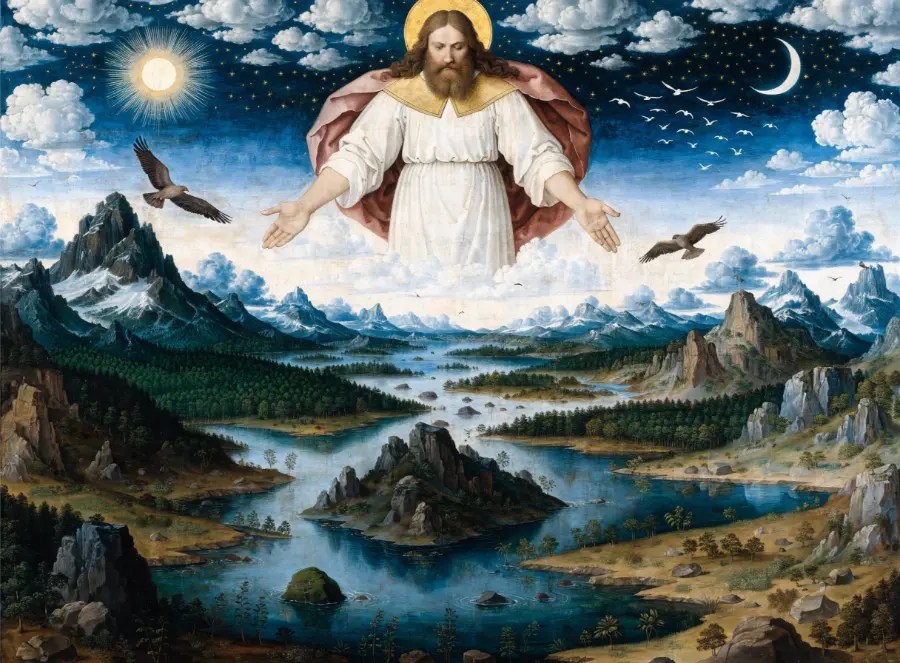
エホバ・ニシとはどういう意味か?「主はわが旗」


  • エホバ・ニッシは「主はわが旗」を意味し、聖書では出エジプト記17章15節に一度だけ登場します。
  • モーセは、レピディムでヨシュアがアマレクを打ち破った後、アロンとフルが日没までモーセの手を支え続けた際に築いた祭壇にこの名を付けました。
  • 「ニッシ」はヘブライ語の「ネス」に由来し、旗、軍旗、あるいは集合場所として高く掲げられた信号用の柱を意味します。
  • 厳密には、これはエホバ・イエレやエホバ・シャロームと同様に祭壇の名前であり、神の称号であると同時に神についての告白でもあります。
  • 同じ単語「ネス」は、青銅の蛇を掲げた柱を指す言葉でもあり、イエスはそれが十字架上でご自身が掲げられることを指し示していると語られました。
  • 雅歌にある「彼が私の上に掲げた旗」の「旗」は、ヘブライ語の別の単語「デゲル」です。
  • カトリックの典礼では神の御名を口にせず「主」と訳すため、どの聖書を読んでも意味は同じです。

Jehovah Nissi means “the LORD is my banner”. It is the name Moses gave an altar after Israel beat Amalek in the wilderness (Exodus 17:15), and its second word, nissi, comes from nes, the Hebrew for a banner or standard lifted high on a pole where everyone can see it. On the day the name was given, the banner over Israel was a man’s raised arm. While Joshua fought in the valley, Moses stood on the hill with “the rod…

Continue reading with a subscription

Get unlimited access to all our premium content and exclusive features.

Enjoy unlimited access, cancel anytime.


フィードバック

コメントを残す

Share to...